Subtotal $0.00

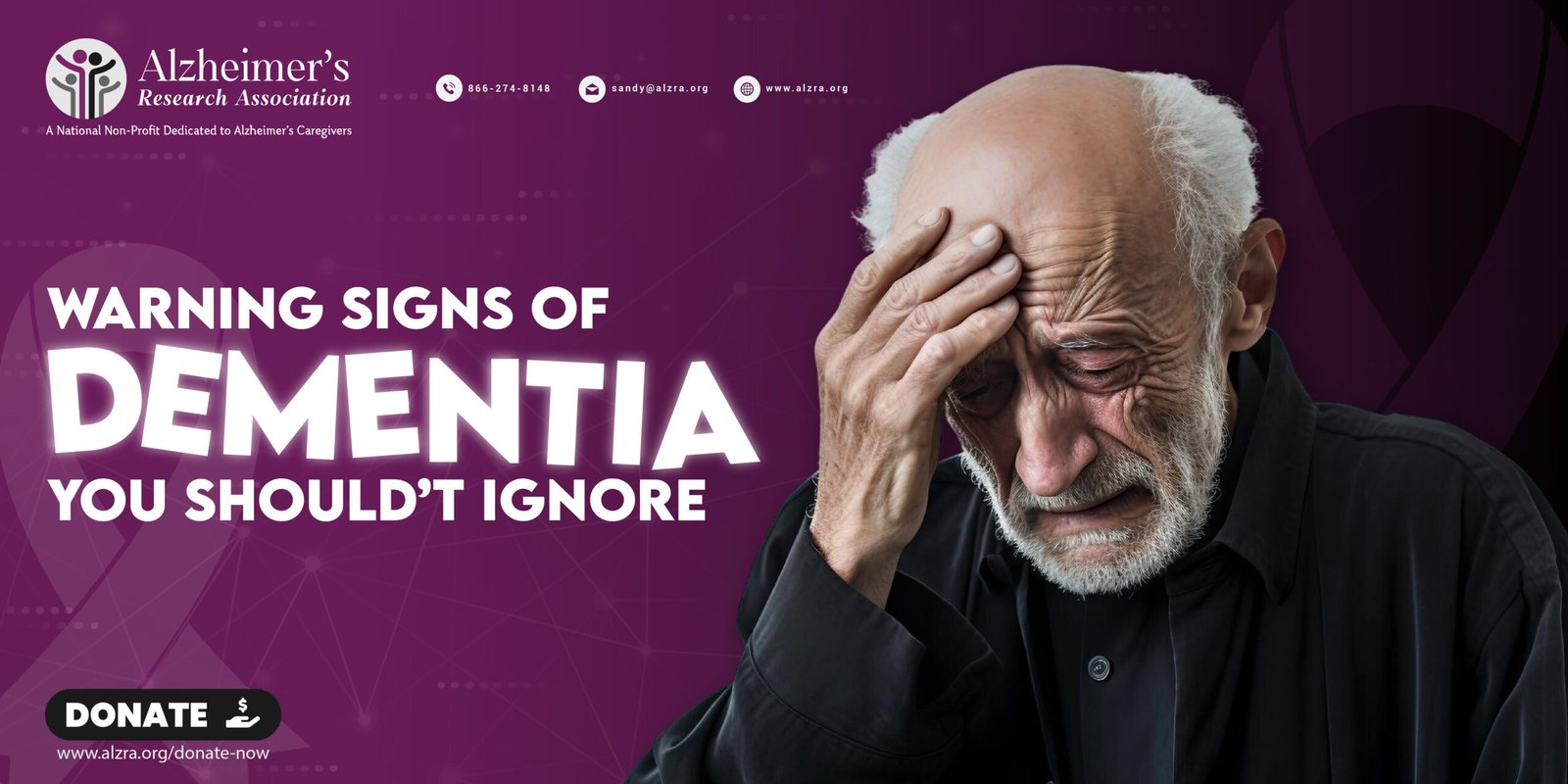
Many people misunderstand dementia as a natural part of aging, but it’s not. While it’s common to occasionally forget names, appointments, or where you left your keys, dementia goes far beyond these everyday lapses. It is a progressive condition that gradually affects memory, thinking, behavior, and the ability to carry out routine tasks. Over time, these changes can begin to interfere with independence, relationships, and overall quality of life.
What makes dementia particularly challenging is that its early symptoms are often subtle and easy to overlook or dismiss as “just getting older.” However, these small changes can be the first indicators of a deeper issue that requires attention.
Recognizing the warning signs early not only helps in seeking timely medical support but also opens the door to better management, planning, and care. Taking these signs seriously can make a meaningful difference in slowing progression, maintaining independence for longer, and improving the overall well-being of both individuals and their families.
What is Dementia?
Dementia is not a single disease but a general term used to describe a range of symptoms associated with cognitive decline. It affects memory, reasoning, communication, and the ability to perform routine tasks. Conditions such as Alzheimer’s disease are among the most common causes.
It is caused by damage to brain cells, which interferes with their ability to communicate effectively. Depending on the area of the brain affected, dementia can impact different aspects of thinking and behavior. Although it is more common in older adults, it is not an inevitable part of aging.
Early Warning Signs of Dementia You Shouldn’t Overlook
Here are ten early warning signs and symptoms of dementia. If you notice any of these, do not overlook them. Schedule a visit to your healthcare provider.
Memory Loss that Disrupts Daily Life
The most common early sign of dementia is forgetting recently learned information. This often manifests as asking for the same information repeatedly or increasingly relying on memory aids (such as sticky notes) or family members for tasks that were previously handled independently. You might also notice them losing items in unusual places and being unable to mentally retrace their steps to find them.
In contrast, typical age-related memory changes may involve occasionally forgetting a name or an appointment but later recalling them. A healthy aging brain may lose track of a name, but it generally retains the ability to learn and recall new information over time. If a person can still manage their day-to-day life despite a few slips, it is often a sign of normal cognitive aging rather than a progressive condition.
Difficulty Completing Familiar Tasks
Complexity is the key differentiator here. Struggling with everyday activities such as forgetting the rules of a favorite card game, having difficulty following a familiar recipe, failing to operate a household appliance, or getting lost while driving to a familiar location can indicate cognitive decline. These activities rely on a combination of memory, attention, and problem-solving abilities that are typically well-established, so consistent difficulty is a red flag.
By contrast, age-related changes might involve occasional mistakes or needing more time to complete tasks. Dementia-related difficulties are more pronounced and consistent, often leading to incomplete or abandoned activities.
Challenges in Planning or Solving Problems
Dementia can affect the brain’s executive functions—the skills responsible for planning, organizing, and carrying out complex tasks. If a person finds it increasingly difficult to follow a familiar recipe, keep track of monthly bills, or manage a budget they have handled for years, it may be a significant warning sign. Concentration often declines, and once-routine tasks may become overwhelming or take considerably longer to complete.
In contrast, normal aging may involve occasional errors when handling finances or managing detailed tasks. The key difference lies in consistency and impact. With normal aging, individuals can usually recognize and correct their mistakes and continue functioning independently. In dementia, however, the ability to manage these familiar, multi-step activities gradually declines, often interfering with daily life.
Confusion with Time and Place
Losing track of dates, seasons, or the passage of time is a common sign of cognitive decline. A person with dementia may feel disoriented about their location or how they arrived there. They might look at a calendar and struggle to understand whether an event is in the past or future, or become disoriented even in familiar surroundings, such as their own neighborhood.
In contrast, a healthy older adult might briefly forget the day of the week, especially if they have a less structured routine, but will usually figure it out later. Dementia-related confusion tends to be more frequent, persistent, and disorienting, often causing noticeable distress. If someone consistently loses track of time and place, it goes beyond simple absent-mindedness and warrants medical evaluation.
Trouble Understanding Visual Images and Spatial Relationships
For some individuals, vision-related difficulties can be an early sign of dementia. It isn’t simply about needing new glasses. It may manifest as difficulty judging distance, determining color or contrast, or reading. A person might struggle to navigate stairs, misjudge the height of a step, or have trouble parking a car because they cannot accurately perceive spatial relationships.
In contrast, age-related vision changes (such as cataracts or presbyopia) are very common and occur due to physical changes in the eye. A person with cataracts may have blurred vision, but they can still understand and interpret what they see. In dementia, the issue lies in the brain’s ability to process and make sense of visual information, rather than the clarity of vision itself.
New Problems with Words in Speaking or Writing
Dementia can affect a person’s ability to communicate clearly, both verbally and in writing. An individual may pause during a conversation and struggle to continue, find it difficult to express the right words, or mistakenly use incorrect terms for familiar objects. These challenges can make it harder to follow or participate in conversations, often leading to frustration or withdrawal over time.
In contrast, normal aging may involve occasional word-finding difficulties, often described as the “tip-of-the-tongue” experience. In such cases, the person is usually able to recall the word later or describe what they mean. With dementia, however, language difficulties are more frequent and disruptive, and the individual may lose track of the conversation entirely rather than struggling with just a single word.
Misplacing Items and Losing the Ability to Retrace Steps
Everyone occasionally misplaces items. However, in dementia, this goes beyond simple absent-mindedness. It may involve placing items in unusual or illogical locations (such as putting a remote control in the refrigerator) and being unable to retrace steps to find them. Over time, this can lead to a tendency to accuse others of stealing, as the individual cannot comprehend how the item disappeared from their possession.
In contrast, normal age-related memory lapses often occur due to distraction or fatigue. Most people can mentally retrace their steps and eventually locate the missing item. While this may take some effort, the underlying ability to recall actions and reconstruct events remains intact. In dementia, this ability gradually declines, making it difficult to recover lost items or understand how they were misplaced.
Decreased or Poor Judgement
A noticeable decline in decision-making ability is a common sign of cognitive impairment. It may appear as poor financial decision-making, such as giving large amounts of money to telemarketers or falling for scams. It can also affect personal care, leading to behaviors like neglecting hygiene or wearing clothing that is inappropriate for the weather, such as a heavy coat on a hot day.
In contrast, typical age-related lapses in judgment are usually occasional and situational. For instance, a person may impulsively purchase something or sometimes forget to pay a bill. However, individuals with normal cognitive function can usually recognize these mistakes and take steps to correct them. In dementia, impaired judgment tends to be more consistent, and the person may have difficulty understanding why their decisions are problematic, even when it is clearly explained.
Withdrawal from Social or Work Activities
Individuals may begin to withdraw from hobbies, social engagements, work responsibilities, or activities they once enjoyed. This often occurs as they become increasingly aware of their difficulties with memory, communication, or processing information. Social interactions may feel overwhelming or mentally exhausting, leading to avoidance. In many cases, this withdrawal reflects an attempt to cope with feelings of confusion, frustration, or embarrassment.
In contrast, it is normal for people to experience periods of reduced social activity as they age, often preferring quieter routines or smaller gatherings. However, this is typically a matter of preference rather than ability. With normal aging, the capacity and interest to engage remain intact. In dementia, withdrawal is more likely to be driven by difficulty keeping up with conversations or activities, resulting in a noticeable and sometimes sudden loss of interest.
Changes in Mood and Personality
Dementia affects not only memory but also emotional and behavioral areas of the brain. Individuals may experience increased anxiety, fear, or depression. In some cases, symptoms such as suspicion or paranoia may emerge, including unfounded accusations or unusual distress. Others may display apathy, appearing indifferent or emotionally unresponsive in situations where they would typically react.
In contrast, normal aging can bring about stronger preferences and a tendency toward routine. Disruptions to these routines may lead to occasional irritability or resistance to change. However, these traits are generally consistent with a person’s longstanding personality. In dementia, the changes are often more pronounced, out of character, and may occur relatively quickly without a clear external cause.
When to Seek Professional Help
If you or someone you know is experiencing one or more of these symptoms consistently, it’s important to consult a healthcare professional.
If these symptoms are recognized, there is no need to panic. Several conditions can mimic dementia, including vitamin B12 deficiency, thyroid disorders, medication side effects, sleep apnea, or even chronic stress and depression. Many of these conditions are treatable or reversible, especially when identified early.
The purpose of seeking medical advice is to gain clarity. A primary care physician or neurologist can conduct cognitive assessments and appropriate diagnostic tests to determine the underlying cause of symptoms.
Why Early Detection Matters
Early evaluation enables timely access to treatments that can help manage symptoms, allowing time to plan for future care and preferences while the individual is still in the early stages, and providing reassurance through a clear diagnosis.
Seeking help from a healthcare professional is an important act of self-care. Addressing these changes early helps ensure dignity, support, and better long-term outcomes for both the individual and their family.
Alzheimer’s Research Association is a non-profit organization dedicated to helping caregivers of Alzheimer’s disease and dementia. We provide the latest information and news about the illness and helpful tips to help caregivers cope with their daily caregiving challenges. We realize the most important thing that a caregiver needs is financial assistance. Therefore, we provide grants to caregivers to ease their financial burden. Caregivers can apply for grants here: Alzheimer’s Grant Application.
You can also help caregivers in their endeavor by donating as much as possible: Donation To Alzheimer’s Research Associations.
References
- 10 Early Signs and Symptoms of Alzheimer’s and Dementia. Alzheimer’s Association. https://www.alz.org/alzheimers-dementia/10_signs. Accessed: 5th May, 2026.
- 10 possible signs of dementia you shouldn’t ignore. Alzheimer’s Research UK. https://www.alzheimersresearchuk.org/news/10-possible-signs-of-dementia-you-shouldnt-ignore/. Published Online: 1st April 2026. Accessed: 5th May, 2026.
- Nania, R. 15 Warning Signs of Dementia You Shouldn’t Ignore. AARP. https://www.aarp.org/health/conditions-treatments/dementia-warning-signs/. Updated: 21st April, 2026. Accessed: 5th May, 2026.
- Early Signs Of Dementia You Shouldn’t Ignore. Cleeve Lodge. https://www.cleevelodge.co.uk/early-signs-of-dementia-you-shouldnt-ignore/. Published Online: 28th August, 2025. Accessed: 5th May, 2026.