Subtotal $0.00

Exploring the History Behind the Culture of Tea Time
Introduction
Tea time is a familiar concept today, but its cultural meaning has been shaped by centuries of history. What started as a simple act of drinking tea slowly developed into a social ritual, a symbol of hospitality, and a daily habit in many parts of the world. Understanding the history behind tea time helps explain why it remains such an important part of global culture.
The Ancient Beginnings of Tea
The story of tea begins in ancient China, where tea was first discovered thousands of years ago. According to legend, tea was accidentally discovered when leaves from a wild plant fell into boiling water. Over time, people began to appreciate its flavor and refreshing effects.
In early Chinese society, tea was used for more than just drinking. It played a role in medicine, spiritual practices, and social gatherings. Tea drinking became a refined cultural activity, often associated with harmony, respect, and mindfulness.
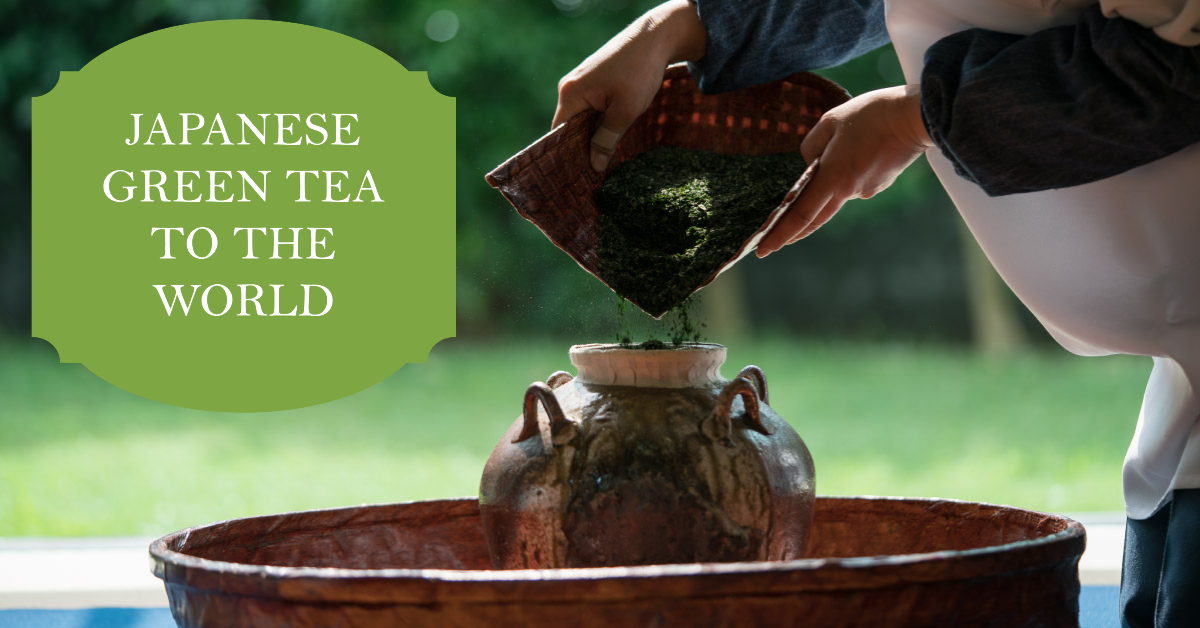
From China, tea spread to neighboring countries such as Japan and Korea, where it developed into highly structured ceremonies emphasizing discipline and respect.
The Spread of Tea Around the World
Tea reached Europe in the 16th and 17th centuries through trade routes. At first, it was considered a luxury item, available mainly to the wealthy. As its popularity grew, tea became more accessible and began to influence social customs.
In Britain, tea quickly became a national favorite. By the 19th century, tea consumption had increased dramatically, leading to the development of afternoon tea. This practice helped fill the long gap between lunch and dinner and soon became a fashionable social event.
Tea houses and salons also emerged, providing spaces for conversation, relaxation, and social interaction. These places helped shape tea time into a shared cultural experience rather than just a personal habit.
The Rise of Afternoon Tea
Afternoon tea is one of the most famous traditions linked to tea time. It is believed to have been introduced by Anna, the Duchess of Bedford, who began requesting tea and light snacks in the afternoon to avoid hunger before dinner.
This idea quickly became popular among the upper class and eventually spread throughout society. Afternoon tea typically included black tea served with milk, sandwiches, cakes, and pastries. It became both a social event and a symbol of elegance.
Over time, afternoon tea became less about social status and more about enjoyment and relaxation, a tradition still practiced in many parts of the world today.
Tea Time in Different Cultures
As tea spread globally, each culture adapted it in its own way. In Japan, tea ceremonies became highly spiritual practices focused on simplicity and respect. In India, tea evolved into “chai,” a strong and flavorful drink shared in daily life.
In the Middle East, tea became a symbol of hospitality, often served to guests as a warm welcome. In Western countries, tea time gradually became more informal, blending into daily routines and coffee breaks.
Despite these differences, tea time consistently remained a moment of connection and comfort.
Modern Evolution of Tea Time
Today, tea time continues to evolve. It is no longer limited to specific times or formal traditions. People enjoy tea at work, at home, in cafés, and even while traveling. New styles such as bubble tea, iced tea, and herbal wellness blends have expanded the meaning of tea culture.
However, even with modern changes, the essence of tea time remains rooted in history: a moment to pause, connect, and enjoy simplicity.
Conclusion
The culture of tea time has a rich and diverse history that spans continents and centuries. From ancient Chinese traditions to British afternoon tea teatimeus.com and modern global practices, tea time has continuously adapted while maintaining its core purpose. It is a tradition that reflects human connection, cultural exchange, and the timeless need for moments of calm in everyday life.