Subtotal $0.00

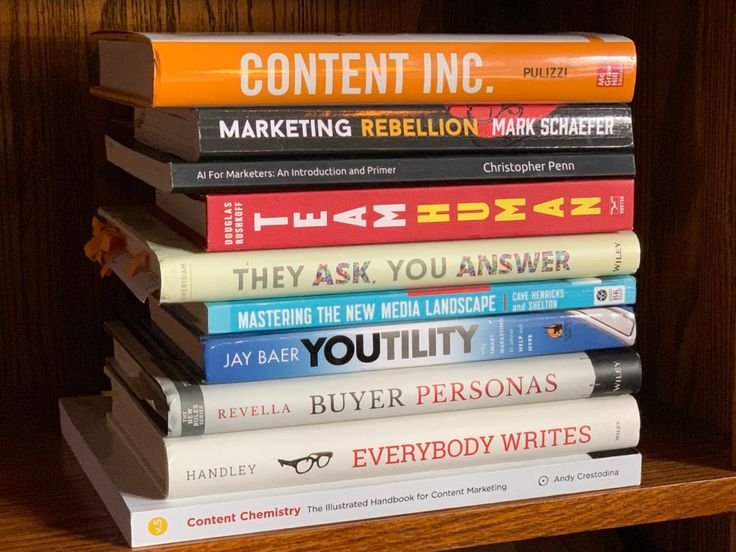
Influence marketing has become one of the strongest forces shaping modern book discovery and sales behavior. In the publishing ecosystem, it has shifted attention away from traditional advertising and toward community-driven recommendations. Industry reports show that influencer-led campaigns in publishing generate up to 11x higher return on investment (ROI) compared to conventional digital ads, mainly due to trust-based engagement.
- Social media-driven book discovery has increased by over 200% in the last 5 years
- Around 60–70% of readers aged 18–35 discover books through influencers
- Engagement rates on influencer posts are 3x–5x higher than official publisher pages
- Viral book trends often originate from short-form video communities rather than traditional media
The core reason behind this shift is credibility. Readers tend to trust real readers over branded advertisements, making influencer recommendations feel more authentic and relatable.
Who Are Book Influencers?
Book influencers are content creators who specialize in discussing, reviewing, and recommending books across digital platforms. They operate in niche communities such as BookTok (TikTok), Bookstagram (Instagram), and BookTube (YouTube), each serving a unique content style and audience behavior pattern.
- Micro influencers (1K–100K followers): Engagement rates often exceed 7–9%
- Macro influencers (100K–1M followers): Wider reach but lower engagement (2–5%)
- Celebrity influencers: Massive exposure but less targeted book conversion
Research in digital marketing shows that micro-influencers generate up to 60% higher conversion rates in niche industries like books because audiences perceive them as more authentic and approachable. Their recommendations often feel like peer advice rather than promotional content.
How Influencers Promote Books
Influencers use diverse content formats to promote books in ways that feel natural rather than commercial. This has transformed book marketing into a storytelling-driven ecosystem where emotional engagement plays a major role.
Common promotional methods include:
- Detailed book reviews with emotional or narrative breakdowns
- Reading vlogs showing personal reading journeys
- Aesthetic shelf setups and “book haul” videos
- Live reading discussions and community Q&A sessions
- Sponsored collaborations with authors and publishers
Statistically, video-based book promotions deliver up to 40–65% higher conversion rates compared to static image posts. Emotional storytelling is also linked to 30% higher reader retention of book titles, meaning audiences are more likely to remember and purchase the book later.
Role of Social Media Platforms
Each platform plays a distinct role in shaping influencer-driven book marketing strategies. Together, they form a multi-layered discovery ecosystem.
- TikTok (BookTok): Primary driver of viral book trends and sudden sales spikes
- Instagram (Bookstagram): Focused on visual storytelling and aesthetic engagement
- YouTube (BookTube): Long-form analysis, reviews, and in-depth discussions
- X (Twitter): Real-time discussions, debates, and author-reader interaction
Books trending on BookTok have been shown to experience 300% to 1000% sales spikes within weeks of viral exposure. In many cases, older books resurface and become bestsellers again purely through influencer attention, demonstrating the platform’s powerful rediscovery effect.
Impact on Book Sales and Visibility
Influencer marketing has a measurable and often immediate impact on book performance in online and offline markets. A single viral recommendation can significantly alter a book’s trajectory.
- Average sales increase after influencer campaigns: 120%–500%
- Amazon ranking improvements: often within top 100 categories after viral exposure
- Long-tail visibility: sustained sales growth for 3–6 months post-campaign
- Reader engagement rates: increase by 70% or more for promoted titles
Books that are consistently promoted by multiple influencers tend to maintain visibility longer due to repeated exposure across different audience segments. This layered promotion effect significantly improves conversion rates over time.
Cost vs Benefit of Influencer Marketing
Compared to traditional advertising, influencer marketing is more cost-efficient and performance-driven, especially for authors and small publishers.
- Traditional ads: higher cost, lower engagement efficiency
- Influencer campaigns: ROI up to 11x higher in publishing sector
- Micro-influencer campaigns: affordable and highly targeted
- Macro campaigns: expensive but effective for mass awareness
Budget allocation studies show that even small influencer campaigns (under $500) can generate noticeable spikes in book visibility. Many authors now rely on structured book marketing services to manage influencer outreach, negotiation, and campaign tracking, ensuring better performance measurement and ROI optimization.
Challenges in Influencer Book Marketing
Despite strong performance metrics, influencer marketing also comes with challenges that require careful management.
- Fake followers and engagement inflation affecting authenticity
- Difficulty tracking direct sales attribution from influencer content
- Algorithm dependency reducing predictable reach
- Oversaturation of book-related promotional content
- Mismatch between influencer audience and book genre
Data suggests that nearly 20–30% of influencer accounts may show artificially inflated engagement, which can reduce campaign effectiveness if not properly filtered. This makes influencer selection a critical success factor in book marketing strategies.
Role of Influencers in Self-Publishing Growth
Influencers have become essential to the growth of independent authors and self-publishing ecosystems. They provide visibility that was previously controlled by traditional publishing houses.
- Independent books gaining global reach without traditional publishers
- Viral recommendations driving self-published books to bestseller lists
- Genre popularity shifts influenced by BookTok trends
- Stronger reader-author interaction in digital-first publishing models
- Increased discoverability for niche and debut authors
Many writers working with a self publishing book company depend heavily on influencer campaigns to build early momentum, attract reviews, and establish credibility in competitive markets. In many cases, influencer exposure acts as the first major visibility trigger for new authors.
Selecting the Right Influencers for Book Promotion
Choosing the correct influencer is one of the most important steps in campaign success. Audience relevance often matters more than follower count.
Key selection factors include:
- Engagement rate benchmark: 5% or higher considered strong
- Genre alignment with book category (romance, thriller, nonfiction, etc.)
- Authenticity of audience and interaction quality
- Past success in promoting similar books
- Content style compatibility with book tone
Advanced influencer analysis tools now allow publishers to evaluate audience demographics, engagement patterns, and historical campaign performance before collaboration. This reduces risk and improves targeting accuracy significantly.
Measuring Success of Influencer Campaigns
Modern book marketing relies heavily on data-driven performance tracking. Influencer campaigns are now evaluated using multiple KPIs beyond simple likes and views.
Key metrics include:
- Conversion rate from influencer content
- Increase in book search volume
- Amazon ranking movement post-campaign
- Engagement-to-click ratio
- Long-term sales retention
Statistical analysis shows that well-executed influencer campaigns can sustain 20–35% higher long-term sales performance compared to non-influencer marketing strategies.
Future of Influencer-Driven Book Marketing
The future of book marketing is increasingly shaped by automation, data intelligence, and influencer ecosystems. The industry is evolving toward more precise and measurable campaign structures.
- AI-driven influencer selection improving targeting accuracy by 40–60%
- Growth of short-form video as primary discovery channel
- Expansion of affiliate-based book promotion systems
- Rise of niche reading micro-communities with high engagement rates
- Integration of influencer campaigns into full publishing funnels
Industry forecasts suggest that influencer marketing will account for over 50% of digital book discovery impact in the next few years. This shift highlights its long-term dominance in shaping reader behavior and publishing success.