Subtotal $0.00

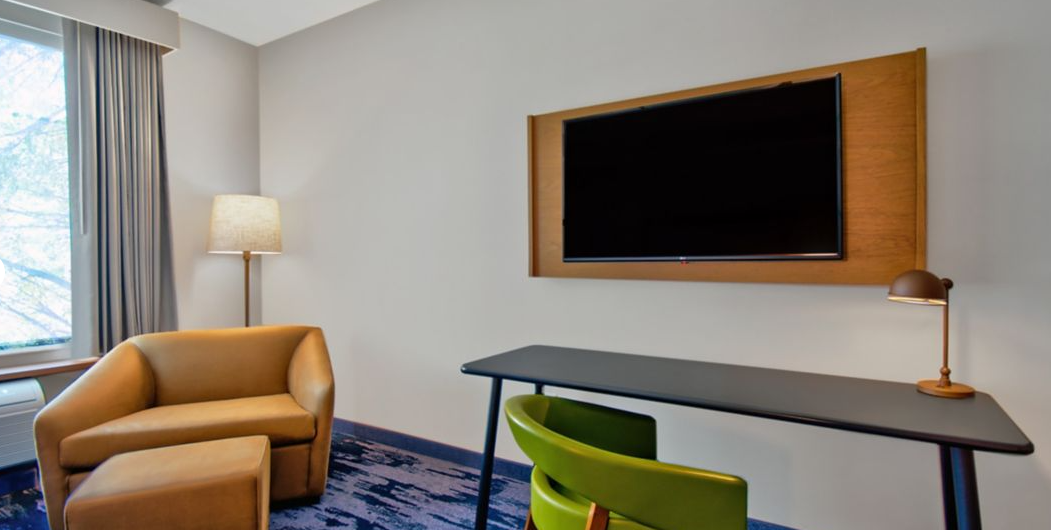
“Fully furnished” appears on countless Dubai listings, yet it has no fixed meaning. One unit comes with a bed, a sofa and a fridge. The next includes kitchenware, televisions, curtains and linen. For anyone buying, reselling or recommending furnished apartments in Dubai, that gap matters. The furniture is part of what a tenant pays for, and part of what the next buyer will judge.
It matters more this year. Colliers reported that Dubai apartment rents fell 4% quarter-on-quarter in Q2 2026, while Savills recorded roughly 27,300 residential handovers in the same period, its highest quarterly figure in recent years. With more homes to choose from, tenants are likely to compare more carefully, and poorly furnished or badly documented units tend to lose out.
These nine checks help you tell the difference.
- Get the Inventory in Writing
Ask for an itemised list covering beds and mattresses, sofas, dining furniture, wardrobes, appliances, kitchenware, curtains, lighting and televisions. Note the condition of each item and take dated photos.
For a rental, attach the list to the tenancy contract. For a purchase, attach it to the sales and purchase agreement (SPA), so nothing disappears between viewing and handover. “Semi-furnished” needs the same treatment. It often means fitted wardrobes and kitchen appliances only, but confirm this rather than assume it.
- Work Out the Real Cost
The advertised rent or price rarely tells the whole story. A tenant moving in should budget for:
- DEWA: a refundable AED 2,000 security deposit for a flat, plus AED 155 in activation fees for a standard meter, as listed by DEWA in 2026
- Ejari registration: typically AED 177.75 through the Dubai REST app or DLD website, or AED 220 at a trustee centre
- Chiller or district cooling charges, if the building bills them separately
- The Dubai Municipality housing fee, which is added to the monthly DEWA bill
- Internet, parking and any cleaning service
Buyers should also factor in service charges (see check 6). Agents who present the full figure early are less likely to see a deal fall apart later.
- Test Everything During the Viewing
Photos flatter furniture. Sit on the sofas, check mattresses for sagging and stains, and open every drawer and wardrobe door. Run the air conditioning, oven, washing machine and dishwasher. Look under sinks and around windows for damp, and check for signs of pests.
For a newly handed-over unit, do a proper snagging inspection and ask which appliances are still under warranty.
- Confirm Who Pays for Utilities and Repairs
Don’t assume anything is included just because the unit is furnished.
The contract should state who pays for electricity, water, cooling and internet. It should also say who repairs a broken appliance or damaged furniture. Vague wording here can lead to deposit disputes at move-out.
- Read the Contract Terms Closely
Check the lease duration, payment schedule, renewal and early termination terms, and how deductions from the security deposit will be decided. Confirm that the person signing owns the unit or holds a valid power of attorney. Registering the contract in Ejari automatically opens a DEWA account and sends the tenant a request for the security deposit. The supply is connected once that is paid.
Buyers purchasing a unit with a tenant in place should confirm who owns the furniture and whether it transfers with the sale.
- Check the Service Charges
For an owner, furniture is a small part of the long-term cost. Service charges, set annually for the upkeep of common areas, can vary sharply between buildings in the same community.
The approved rate for a building can be checked in the official Service Charge Index through the Dubai Land Department. Ask the seller for the payment history and confirm that nothing is outstanding before transfer.
- Verify the Listing and the Agent
Every real estate advertisement permit in Dubai comes with a Madmoun QR code, issued through the Trakheesi system. Scanning it shows the property’s authorised details and whether it has already been sold or rented. If what you see doesn’t match what you’re being told, stop.
Confirm the agent’s RERA registration, and never transfer money to a personal account before you’ve seen the documents.
- Don’t Assume It Can Be Let Short-Term
A furnished apartment isn’t automatically a holiday home. Short-term letting requires a holiday home permit from Dubai’s Department of Economy and Tourism.
If a buyer’s plan depends on nightly rentals, confirm that the building allows them before committing.
- Judge the Furniture the Way a Tenant Would
Furniture loses value from the day it’s delivered. Location, layout, natural light, storage, parking and building management usually hold their value far longer.
When assessing a furnished flat for sale in Dubai, ask whether the pieces will still look presentable after two or three tenancies. Neutral, durable furniture usually suits a wider range of tenants than statement pieces do. Compare the expected rent against the Dubai Land Department’s rental index and similar units nearby rather than relying on a projected yield.
Before You Commit
Good furnishing starts long before the furniture arrives: where the sofa will sit, how much storage a studio really needs, and what a tenant will use every day. Tranquil Developers calls this approach “Built With Thought”, and it is guiding the design of its fully furnished Blossom76 residences, now under construction in Jumeirah Village Circle.
Whether a furnished apartment in Dubai is ready to move into or still on plan, the checks above show whether that kind of thinking holds up.
FAQs
Is a furnished apartment worth paying more for?
It depends on the building and the likely tenants. Furnished units can appeal to new arrivals and people on shorter contracts, but the premium varies by community and the furniture depreciates. Compare what furnished and unfurnished units in the same building actually rent for before paying extra.
What is the difference between a furnished and a serviced apartment?
A furnished apartment comes with furniture and appliances under a standard lease, and utilities and maintenance are usually paid separately. A serviced apartment adds services such as cleaning and reception, and utilities are often included in the price.
Can a tenant replace the furniture in a furnished rental?
Get the landlord’s written agreement first. Items on the inventory belong to the landlord, and anything removed or damaged may be deducted from the security deposit.