Subtotal $0.00

Choosing a driving school is an important decision for anyone learning to drive, whether they are a complete beginner, returning to driving after a long break, or preparing for a practical test. In a busy area such as Blackburn and the wider Lancashire region, learners have many factors to consider beyond simply finding available driving lessons.
A good Blackburn driving school should provide structured tuition, qualified instruction, suitable vehicles, clear communication, and lessons that reflect the learner’s individual needs. The goal is not simply to help someone pass a driving test. Effective driving education should develop the knowledge, awareness, confidence, and practical skills needed for safer independent driving.
1. Qualified and Patient Driving Instructors
The instructor is one of the most important parts of the learning experience. A professional instructor should be able to explain driving concepts clearly and adapt their teaching style according to the learner’s experience and progress.
New learners may initially struggle with basic vehicle controls, observation, steering, clutch control, speed management, or understanding road signs. More experienced learners may need help with specific weaknesses such as junctions, roundabouts, manoeuvres, or independent driving.
A useful instructor should therefore:
- Explain techniques in straightforward language.
- Demonstrate skills when appropriate.
- Allow learners enough time to practise.
- Provide constructive feedback.
- Identify recurring mistakes.
- Adjust lesson difficulty as confidence improves.
- Encourage safe decision-making rather than memorising test routes.
Patience is particularly important. Learners develop at different speeds, and rushing someone through difficult situations can create unnecessary anxiety. A structured approach gives the learner opportunities to understand why a particular action is required rather than simply being told what to do.
For example, when teaching roundabouts, an instructor can combine road positioning, mirror checks, signalling, lane selection, speed control, and observation. This creates a transferable skill that can be used on unfamiliar roads, rather than preparing the learner for one specific location.
2. Lessons Should Reflect Real Blackburn and Lancashire Roads
One characteristic of effective local driving tuition is exposure to a variety of realistic road conditions.
Blackburn learners may encounter residential streets, busy town-centre roads, multi-lane junctions, roundabouts, rural routes, parked vehicles, pedestrian areas, and roads with changing traffic conditions. Each environment requires slightly different observation and decision-making skills.
A well-planned driving programme can gradually introduce learners to:
- Quiet residential roads for basic vehicle control.
- Busier urban roads for traffic awareness.
- Roundabouts and complex junctions.
- Dual carriageways where appropriate.
- Rural roads and changing speed limits.
- Parking areas and manoeuvring situations.
- Different weather and visibility conditions.
- Roads with cyclists, pedestrians, buses, and other vulnerable road users.
This practical variety matters because passing a driving test is only one stage of becoming an independent driver.
A learner who has only practised familiar streets may feel uncomfortable when driving somewhere new. In contrast, varied lessons can teach the underlying principles of observation, planning and risk management.
This is one reason learners researching a Blackburn driving school should consider the overall lesson structure rather than judging a provider solely by availability or location.
3. A Structured Learning Plan Makes Progress Easier to Measure
Driving lessons are more effective when they follow a logical progression.
Beginners generally need to establish basic vehicle control before moving into increasingly complicated traffic situations. As their skills develop, lessons can introduce independent decision-making and more challenging environments.
A typical progression might include:
Stage 1: Vehicle Familiarisation
Understanding controls, seating position, mirrors, steering and basic movement.
Stage 2: Basic Road Skills
Moving off, stopping, changing direction, appropriate speed and basic road positioning.
Stage 3: Traffic Awareness
Junctions, meeting traffic, pedestrian crossings, road signs and developing observation.
Stage 4: More Complex Roads
Roundabouts, multi-lane roads, dual carriageways and busier traffic conditions.
Stage 5: Independent Driving
Following directions, planning routes, responding to changing circumstances and making decisions independently.
Stage 6: Test Preparation
Addressing specific weaknesses, practising manoeuvres, understanding test expectations and completing realistic mock drives.
The exact sequence will vary between learners. Someone with previous driving experience may move through basic stages quickly, while another learner may need additional practice.
Regular progress reviews can help identify whether the learner needs more practice in a particular area. This can also make lessons more productive because both instructor and learner understand what they are working toward.
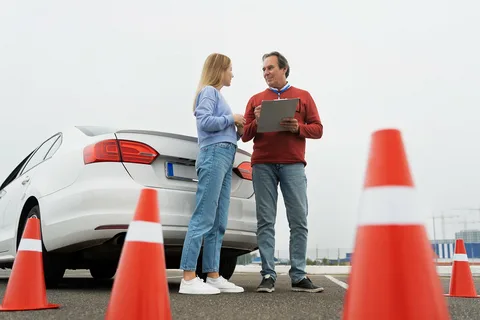
4. Automatic and Manual Driving Lessons Require Different Skills
Another consideration is whether a learner chooses a manual or automatic vehicle.
Automatic cars are increasingly attractive to learners who prefer not to manage a clutch and manual gear changes. They can allow learners to concentrate more on observation, positioning, speed control and traffic awareness.
Manual lessons, however, teach additional vehicle-control skills involving clutch control, gear selection and coordination. Some learners prefer this flexibility, particularly if they expect to drive different types of vehicles in the future.
Neither choice should be treated as a universal solution. The appropriate option depends on the learner’s circumstances, preferences and future driving requirements.
For beginners, it can be useful to consider:
- What type of vehicles they expect to drive.
- Whether they are comfortable with clutch and gear control.
- Their intended use of the vehicle.
- Availability of suitable cars after passing the test.
- Their personal learning preferences.
A reputable instructor should explain the practical differences without putting unnecessary pressure on the learner.
5. Good Driving Tuition Addresses Common Learning Challenges
Every learner experiences difficulties. Some challenges are technical, while others involve confidence, concentration or decision-making.
Common examples include:
Junctions and Roundabouts
Learners may find it difficult to judge gaps, choose the correct lane, or understand when to proceed. Repeated practice combined with clear explanations can help build reliable routines.
Speed Management
Maintaining an appropriate speed involves more than watching the speedometer. Learners need to consider road layout, visibility, traffic, pedestrians, weather and posted limits.
Observation
Effective observation involves scanning ahead, checking mirrors and recognising potential hazards early. Instructors can encourage learners to develop a continuous observation routine rather than relying on last-second reactions.
Manoeuvres
Parking and other low-speed manoeuvres often require coordination and accurate observation. Learners should practise controlling the vehicle while maintaining awareness of surrounding pedestrians and vehicles.
Test Anxiety
Some learners perform well during ordinary lessons but become nervous during a test. Mock tests, realistic practice and familiarity with independent driving can help reduce uncertainty.
These challenges demonstrate why driving education should be personalised. Simply completing a certain number of hours does not guarantee that every learner has developed the same skills.
Technology and Changing Driving Habits
Modern driving education is also taking place alongside changes in vehicle technology and road use.
Many new vehicles include features such as parking sensors, reversing cameras, lane-assistance systems, adaptive cruise control and other driver-assistance technologies. These systems can support drivers, but learners still need strong fundamental observation and control skills.
Driver-assistance technology should not replace understanding of road conditions or responsibility for safe driving.
There is also growing awareness of distractions from smartphones and other devices. Developing good habits during lessons can help learners understand the importance of maintaining attention and anticipating hazards.
For local learners, these principles are particularly relevant because everyday driving can involve unpredictable traffic, pedestrians, cyclists, parked vehicles and changing road conditions.
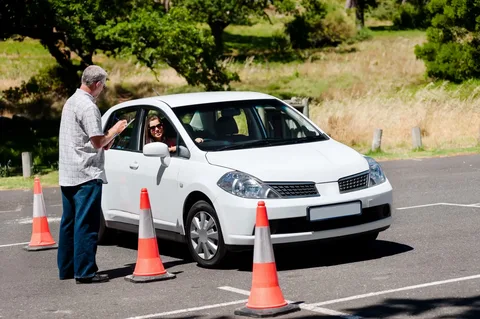
How to Assess a Driving School Before Starting Lessons
Before choosing a provider, prospective learners can make a simple checklist.
Consider asking:
- Is the instructor appropriately qualified?
- Is the lesson vehicle suitable and well maintained?
- Does the instructor provide a structured learning programme?
- Can lessons be adapted to individual weaknesses?
- Are both basic and complex road environments covered?
- Is progress reviewed regularly?
- Are lesson arrangements and cancellation policies clearly explained?
- Does the teaching focus on safe independent driving as well as test preparation?
- Can the instructor explain whether automatic or manual tuition would suit the learner?
- Are learners given constructive feedback after each session?
Online reviews can provide useful experiences from previous customers, but they should be considered alongside other information. A single review rarely provides enough evidence to assess the quality of an entire driving school.
For readers researching local options, Street Smart Driving School is one example of a provider serving learners in Lancashire and can be considered alongside other local driving tuition options when comparing lesson structures and availability.
Conclusion
A good driving school should do more than prepare learners for a practical driving test. Effective tuition develops vehicle control, observation, hazard awareness, road positioning, decision-making and confidence across different driving environments.
Area Covered: