Subtotal $0.00

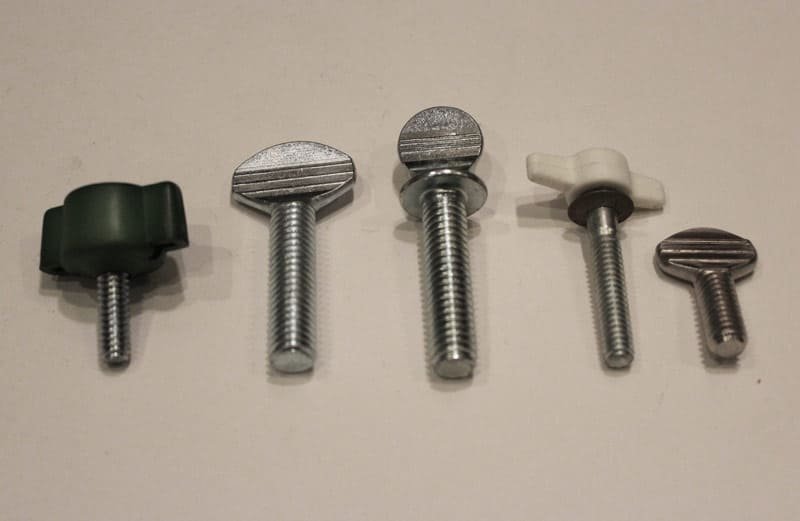
When equipment needs frequent adjustment, removing a conventional screw with a screwdriver or wrench can become frustrating. That is where thumb screws can provide a simple and practical solution. These fasteners are designed to be tightened and loosened by hand, making them useful wherever regular access, adjustment, or maintenance is required.
Although thumb screws look relatively simple, choosing the right type involves more than picking a convenient hand-operated fastener. Thread size, material, head design, load requirements, and installation conditions can all affect performance. Using the wrong thumb screw may lead to loose assemblies, damaged threads, or difficulty making adjustments.
Understanding how these fasteners work helps you select them confidently and use them correctly. Whether you’re working on an electronics enclosure, machinery, laboratory equipment, or a removable panel, the right thumb screw can make routine maintenance considerably easier.
What Are Thumb Screws?
A thumb screw is a threaded fastener designed to be installed and removed manually without requiring a separate tool. Its head usually includes a knurled surface, wings, lobes, or another grip-friendly shape that allows a person to apply torque using their fingers.
Unlike standard machine screws, which generally require a screwdriver, hex key, or wrench, thumb screws prioritize convenience and repeated access. They are particularly useful when a component must be removed or adjusted frequently.
Thumb screws are available in numerous thread sizes and configurations. Some use metal throughout, while others combine a metal threaded portion with a plastic or polymer head. The choice depends on the required strength, environment, and frequency of use.
Where Are Thumb Screws Used?
Common applications include:
- Electronics enclosures
- Computer cases and equipment panels
- Laboratory instruments
- Machine guards
- Camera and optical equipment
- Access covers
- Furniture and fixtures
- Manufacturing equipment
- Mounting brackets
- Adjustable mechanical assemblies
For example, consider an equipment panel that technicians need to open every week for inspection. Conventional screws could work, but repeatedly searching for the correct screwdriver adds unnecessary effort. A properly selected hand-operated fastener can make that maintenance task quicker.
How to Choose the Right Thumb Screw
Selecting a thumb screw should begin with the application rather than appearance. Follow these steps to avoid common compatibility problems.
1. Identify the Thread Size
Thread compatibility is one of the most important considerations. The screw must match the threaded hole or corresponding nut.
For inch-based applications, common thread specifications include sizes such as 6-32, 8-32, and 10-32. Metric applications may use sizes such as M4, M5, or M6.
Do not assume that screws with similar-looking diameters are interchangeable. Thread pitch can differ even when the diameter appears nearly identical.
If you’re replacing an existing fastener, measure the diameter and determine the thread pitch before ordering replacements.
2. Consider the Required Length
The threaded portion needs enough engagement to hold the assembly securely. However, excessive length can cause interference with components behind the mounting surface.
A useful approach is to consider the thickness of the materials being joined and then allow adequate thread engagement without creating unnecessary protrusion.
For thin panels, an excessively long screw can be particularly problematic because it may contact wiring, circuit boards, or moving parts.
3. Select an Appropriate Head Style
Head design directly affects usability.
Knurled heads provide a textured surface for finger grip and are common when moderate tightening force is required. Wing-style heads provide larger gripping areas and can be easier to operate when gloves are involved.
Some designs include larger molded heads that improve comfort during repeated adjustments.
Think about how the fastener will actually be used. A small knurled head may be perfectly adequate for an electronics enclosure but inconvenient for a large mechanical guard.
4. Choose the Right Material
Material selection should reflect the operating environment.
Stainless steel is useful where corrosion resistance and durability are important. Steel may be suitable for applications requiring greater mechanical strength, while plastic thumb screws can work well where electrical insulation, low weight, or protection against surface damage is important.
For outdoor or humid environments, corrosion resistance deserves particular attention. A fastener that works well indoors may deteriorate quickly when exposed to moisture.
5. Evaluate Tightening Requirements
Thumb screws are intended for hand tightening, not extreme clamping force.
If an assembly requires very high torque to remain secure, a conventional machine screw, bolt, or other mechanically tightened fastener may be more appropriate.
The goal is to match the fastener to the job rather than forcing a hand-operated design into an application it was never intended to handle.
Common Mistakes and Challenges
One common mistake is choosing a thumb screw solely because it fits physically. A screw can appear compatible while having an incorrect thread pitch, insufficient engagement, or unsuitable material.
Another issue is overtightening. Because the fastener is operated by hand, users sometimes apply excessive force. This can damage threads, deform plastic heads, or make future removal difficult.
Using the wrong head size is another overlooked problem. If the fastener will be removed frequently, poor ergonomics can turn a convenient design into an irritating one.
Environmental conditions also matter. Exposure to chemicals, heat, moisture, vibration, or outdoor weather can influence which material and finish should be selected.
Finally, avoid treating all thumb screws as structural fasteners. Their primary advantage is convenient manual operation. Applications involving significant loads or safety-critical clamping should use fasteners specifically designed for those requirements.
Practical Tips for Better Results
Before installation, clean the mating threads and make sure there is no debris preventing proper engagement. Start the screw by hand and turn it gently. If it does not engage smoothly, stop rather than forcing it.
For assemblies that experience vibration, consider whether the thumb screw needs a suitable locking method. Depending on the design, a washer, locking nut, friction feature, or other retention method may help prevent unwanted loosening.
Keep replacement fasteners organized by thread size and length. Mixing visually similar metric and inch fasteners can create confusion during maintenance.
For frequently serviced equipment, standardizing the fasteners can also improve efficiency. Using the same thread size and head style across compatible access panels means technicians spend less time identifying replacements.
It’s also worth periodically inspecting heavily used thumb screws. Look for damaged threads, worn gripping surfaces, corrosion, cracked plastic heads, or signs that the fastener is no longer holding securely.
Conclusion
Thumb screws are simple fasteners, but their usefulness comes from solving a specific problem: providing secure fastening while allowing convenient tool-free adjustment or removal. They work particularly well on components that require regular access.
The best choice depends on thread size, length, head design, material, environmental conditions, and required clamping force. By considering these factors before installation, you can avoid compatibility issues and improve the reliability of the finished assembly.
For maintenance-heavy equipment, the right thumb screw can save time, simplify access, and make everyday servicing much more convenient.