Subtotal $0.00

A “sticker bush” is a common, informal name for a thorny, prickly, or burr-producing plant. It is not one specific botanical species. Depending on the region, people may use the term for thorny bushes, briar-like plants, or plants that produce sharp burrs that stick to shoes, clothing, animal fur, or tires.
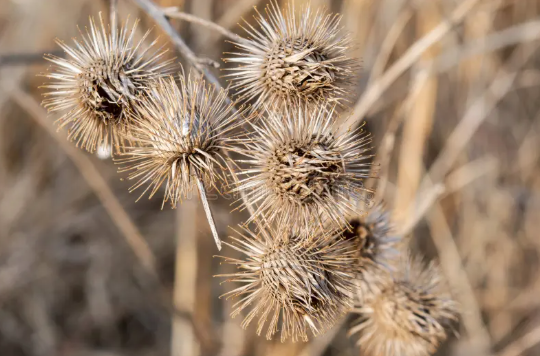
The structure shown in the supplied image is a very spiny burr or sticker. Its exact plant identity cannot be confirmed from the burr alone. One common possibility for goathead-type stickers is puncturevine (Tribulus terrestris), but a reliable identification requires additional details such as the whole plant, leaves, flowers, fruit, and growing location.
What Is a Sticker Bush?
“Sticker bush” is a descriptive common name rather than a formal scientific name. In everyday speech, especially in parts of the southern United States and rural areas, “sticker” can refer to a thorn, prickle, burr, or other sharp plant part. A sticker bush therefore generally means vegetation that can scratch people or animals or produce sharp structures that attach to them.
This distinction matters for identification. Two plants can both be called sticker bushes while belonging to completely different plant families. Some produce thorns on stems, while others form spiny seed pods or burrs after flowering.
What Does a Sticker Bush Look Like?
There is no single appearance for every plant called a sticker bush. Common characteristics include sharp spines, hooked burrs, needle-like projections, or seed structures designed to catch on fur, fabric, footwear, and other surfaces.
- Sharp projections that can puncture skin or scratch clothing.
- Dry burrs or seed pods that become more noticeable as the plant matures.
- Low-growing or spreading growth in some sticker-producing weeds.
- Thorny stems or branches in plants that are called sticker bushes in a broader sense.
- Seeds that can be transported when burrs attach to animals, clothing, equipment, or vehicle tires.
The Spiky Burr in the Supplied Image
The supplied close-up shows a compact, dark, highly spiny plant structure with numerous rigid points. This type of structure is commonly described as a burr, sticker, or thorny seed structure. The image alone is not enough to establish the exact species.
If the plant that produced this burr is growing close to the ground and develops small yellow flowers followed by hard, spiny fruits with multiple sharp points, puncturevine (Tribulus terrestris), commonly called goathead, is one important possibility to investigate. However, identification should be based on the whole plant rather than the burr alone.
Why Are Sticker Burrs So Sharp?
Sharp burrs are part of a plant’s survival and seed-dispersal strategy. Their projections can catch onto animal fur, shoes, clothing, and equipment. As the attached material moves, the seeds may be carried away from the parent plant and eventually released in a new location.
In other words, the same structure that makes a sticker burr frustrating for people can be highly effective for the plant. Its spines can also discourage animals from eating or disturbing the mature fruit.
Are Sticker Bushes Dangerous?
Sticker plants are usually more of a physical nuisance than a poisoning concern, but their sharp structures can cause painful punctures, scratches, and irritation. Burrs can also become tangled in pet fur and may be difficult to remove.
- Wear closed shoes and gloves when working around mature sticker plants.
- Keep children and pets away from dense patches of sharp burrs.
- Check footwear, clothing, and pet coats after walking through infested areas.
- Use care when handling dried seed heads because they may be considerably sharper than the green plant.
How to Remove Sticker Bushes and Sticker Burrs
The best removal method depends on the plant species, size of the infestation, and whether the goal is to remove individual burrs or eliminate the plant population.
1. Remove Small Plants Before They Produce Seeds
For a small number of plants, hand removal or digging can be effective. Wear thick gloves and remove as much of the root system as practical. Early removal is especially useful because preventing seed production can reduce the number of new plants next season.
2. Collect Mature Burrs Carefully
Do not leave mature burrs on the ground after pulling plants. Collect them carefully and dispose of them in a way that prevents seeds from being redistributed. Avoid spreading burrs through mowing, vehicles, pets, or yard equipment.
3. Improve Lawn and Ground Cover
Bare soil gives many weeds an opportunity to establish. Maintaining healthy turf or desirable ground cover can reduce open spaces where sticker-producing weeds can germinate. Good mowing, irrigation, and soil management should be matched to the plants you want to grow.
4. Use Herbicides Only When Appropriate
Chemical control can be useful for some sticker weeds, but the correct product depends on the exact species and the surrounding plants. Always identify the plant first and follow the product label, including directions for application, protective equipment, re-entry, and environmental precautions. Do not assume that a treatment recommended for one sticker weed will work safely on another.
How to Get Sticker Burrs Out of Clothing and Pet Fur
Remove burrs as soon as practical. For clothing, a comb, stiff brush, or careful hand removal can help depending on the burr type. For pets, work slowly and avoid pulling hard because spiny structures can catch tightly in hair.
If a burr is deeply embedded in skin, avoid forcing it deeper. Clean the area after removal and seek professional medical advice if the puncture is severe, remains painful, becomes swollen, or shows signs of infection.
How to Identify a Sticker Bush Correctly
Because “sticker bush” is a common name, identification should use more than the spiny structure. Take clear photographs of the whole plant, including the leaves, stems, flowers, fruit, and the way the plant grows.
- Whole-plant photograph showing growth habit.
- Close-up of leaves and stems.
- Photograph of flowers, if present.
- Photograph of the green and mature fruit or burr.
- Location and habitat, such as lawn, roadside, pasture, dry soil, or woodland edge.
- Approximate season when the plant was observed.
Sticker Bush vs. Goathead: Are They the Same?
Not necessarily. “Sticker bush” is a broad common expression, while “goathead” commonly refers to puncturevine, Tribulus terrestris. Puncturevine produces distinctive hard fruits with sharp spines and is notorious for producing painful stickers in lawns, paths, and other disturbed areas.
Therefore, it is better to say that a goathead can be called a sticker in some regions, rather than saying every sticker bush is a goathead. Regional names can overlap, and the same word may describe different plants.
Frequently Asked Questions About Sticker Bushes
What is a sticker bush?
A sticker bush is a common name for thorny or prickly vegetation, especially plants that produce sharp burrs or stickers. It is not a single scientific plant species.
What plant is called a sticker bush?
Different plants may be called sticker bushes depending on location. Thorny bushes, briars, burr-producing weeds, and goathead-type plants can all receive similar common names.
Is sticker bush the same as goathead?
No. Goathead commonly refers to puncturevine (Tribulus terrestris), while sticker bush is a broader informal term.
How do I get rid of sticker bushes?
For small infestations, remove plants before seed production and collect mature burrs. Larger infestations may require a combination of vegetation management and, where appropriate, a correctly selected herbicide.
Why do sticker burrs stick to clothes and pets?
Their sharp, hooked, or rigid projections help them attach to moving animals, clothing, footwear, and equipment, which can help disperse the plant’s seeds.
Can sticker burrs hurt dogs?
Yes. Sharp burrs can become lodged in fur or paws and may cause pain or irritation. Check pets after walks through areas with known sticker-producing plants.
Can I identify a sticker bush from the burr alone?
Usually not with confidence. A burr can provide useful clues, but reliable identification generally requires the whole plant, including leaves, flowers, fruit, and growth habit.