Subtotal $0.00

Introduction
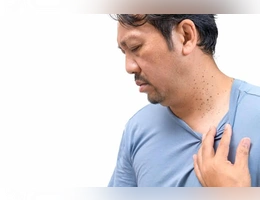
Seborrheic keratosis is a common, non-cancerous skin growth that often appears as people get older. These growths can develop on the face, chest, back, shoulders and other areas of the body. They may look brown, black, tan or slightly yellow, with a raised, waxy or rough surface. Some resemble a spot of candle wax or appear as though they have been stuck onto the skin.
Although seborrheic keratosis is usually harmless, its appearance can cause concern. Growths may also become irritated by clothing, jewellery or shaving. Many people search for Seborrheic Keratosis Remedies to improve their skin’s appearance, relieve discomfort or find ways to remove unwanted growths.
The most important step is to confirm the diagnosis before trying any treatment. Other skin conditions, including certain types of skin cancer, can resemble seborrheic keratosis. A dermatologist can examine the growth and recommend an appropriate approach.
This guide explains which options may help, which home treatments to avoid, how professional removal works and how to care for your skin safely.
What Is Seborrheic Keratosis?
Seborrheic keratosis is a benign growth that develops from skin cells. It is common in middle-aged and older adults, although younger people can develop it too. Some people develop a single growth, while others develop several over time.
The exact cause is not fully understood, but age and genetics appear to play important roles. The condition is not contagious, so it does not spread through touching, sharing towels or close contact with another person.
Common features include:
- Raised or flat spots with a waxy, scaly or rough texture.
- Brown, tan, black, yellowish or skin-coloured growths.
- Round or oval shapes with clearly defined edges.
- Growths that appear on the face, neck, chest, back or other areas.
- Mild itching or irritation when clothing rubs against the affected skin.
Seborrheic keratosis does not usually require treatment for medical reasons. However, removal may be appropriate when a growth causes discomfort, catches on clothing or creates cosmetic concerns.
Seborrheic Keratosis Remedies: What Can You Try?
The right approach depends on whether the growth has been properly diagnosed, whether it causes symptoms and whether you want it removed. No home remedy has been reliably proven to eliminate seborrheic keratosis safely.
1. Arrange a Skin Examination
A medical examination is the safest starting point before trying Seborrheic Keratosis Remedies. A dermatologist can assess the growth’s colour, shape, texture and development. They may use a dermatoscope, a handheld instrument that magnifies skin structures.
This step matters because some melanomas and other skin cancers can resemble harmless growths. A changing or unusual lesion should not be treated at home without a proper assessment.
Seek medical advice if a spot grows rapidly, develops irregular colours, bleeds without an obvious injury, becomes painful or looks different from your other skin growths.
2. Keep the Skin Clean and Moisturised
Gentle skin care can help reduce irritation, although it will not remove the growth itself. Wash the affected area with lukewarm water and a mild, fragrance-free cleanser. Avoid vigorous scrubbing, rough exfoliating tools and products that leave the skin feeling tight or burning.
Apply a gentle moisturiser if the surrounding skin feels dry. Products containing glycerin or ceramides can support the skin barrier and improve comfort.
If a growth sits under a collar, bra strap or necklace, reduce friction where possible. Loose, comfortable clothing may help prevent repeated irritation.
3. Protect the Area from Sun Exposure
Sun protection supports general skin health, although it does not cure existing seborrheic keratosis. Use broad-spectrum sunscreen with SPF 30 or higher on exposed skin, wear protective clothing and seek shade when sunlight is strongest.
Regular sun protection is especially useful for reducing ultraviolet damage and lowering the risk of certain skin cancers. It can also make it easier to notice changes in existing growths.
Remember that sunscreen should not be viewed as a treatment that dissolves or removes seborrheic keratosis.
4. Consider Professional Removal
If the growth is uncomfortable, repeatedly irritated or cosmetically bothersome, a dermatologist may recommend removal. Professional procedures are among the most reliable ways to remove confirmed seborrheic keratosis.
Common options include cryotherapy, curettage and electrosurgery. The most suitable procedure depends on the growth’s size, thickness, location and appearance.
Discuss the expected healing time, possible scarring, changes in skin colour and cost before choosing a procedure. Removal does not prevent new growths from appearing elsewhere.
Natural Remedies for Seborrheic Keratosis: What Is Safe?
Interest in Natural Remedies for Seborrheic Keratosis is understandable, especially for people who prefer gentle skin care or want to avoid an invasive procedure. However, natural does not automatically mean safe or effective.
There is currently insufficient reliable scientific evidence that household ingredients, herbal oils or dietary changes can remove seborrheic keratosis.
Aloe Vera
Aloe vera is commonly used in skin-care products because it may help soothe some types of minor skin irritation. However, there is no convincing evidence that aloe vera removes seborrheic keratosis.
If you choose to use a simple aloe-based moisturising product on the surrounding skin, check the ingredients and stop if redness, itching or burning develops. Do not expect it to dissolve the growth.
Coconut Oil
Coconut oil can act as an emollient and help soften dry skin. Nevertheless, it has not been established as a treatment for seborrheic keratosis.
Applying oil may improve dryness around a growth, but it will not reliably remove the raised lesion. Avoid using it as a reason to delay an examination of a suspicious spot.
Herbal Skin-Care Products
Some herbal skin-care products are marketed for healthy-looking skin, but marketing claims do not establish that they can treat seborrheic keratosis. Ingredients, concentrations and product quality can vary considerably.
People looking into Herbal Care Products should check whether claims are supported by credible evidence and whether the ingredients are suitable for their skin. Do not assume that a product labelled natural, herbal or chemical-free is harmless.
Avoid applying concentrated herbal extracts, essential oils or untested mixtures directly to a growth. These substances may trigger irritation, allergic reactions or chemical burns.
Diet and Hydration
A balanced diet provides nutrients that support normal skin function. Drinking enough water and eating a variety of vegetables, fruits, whole grains, healthy fats and protein can support overall health.
However, no particular food, detox drink, supplement or restrictive diet has been shown to eliminate seborrheic keratosis. Be cautious of products promising to clear skin growths through dietary changes alone.
Seborrheic Keratosis Remedies to Avoid
Some popular home treatments can damage the skin without removing the growth safely. Avoid the following approaches unless a qualified healthcare professional has specifically advised otherwise.
1. Apple Cider Vinegar
Apple cider vinegar is sometimes promoted online as a home treatment for skin growths. Its acidity can irritate the skin and cause chemical burns, particularly when applied repeatedly or left under a dressing.
It may also cause redness, blistering, pain and permanent changes in skin pigmentation. There is no good evidence that it provides a safe, reliable treatment for seborrheic keratosis.
2. Lemon Juice
Lemon juice is acidic and may irritate the skin. Citrus substances can also increase the risk of a sun-related skin reaction in certain circumstances.
Applying lemon juice to a growth is unlikely to remove it safely. Avoid using it as a substitute for professional assessment or treatment.
3. Garlic and Strong Essential Oils
Raw garlic can cause significant irritation and chemical burns when placed directly on the skin. Concentrated essential oils may also trigger allergic contact dermatitis or other skin reactions.
Never assume that a natural ingredient is safe simply because it comes from a plant. Avoid using strong substances to burn, dry out or dissolve a skin growth.
4. Scraping, Cutting or Picking
Do not attempt to cut off, scrape away or pull out a seborrheic keratosis at home. These actions can cause bleeding, infection, scarring and changes in skin colour.
They can also damage a lesion that has not been correctly identified. If the growth catches on clothing or jewellery, protect the area from friction and arrange a medical assessment.
5. Over-the-Counter Wart Removers
Wart treatments may contain salicylic acid or other ingredients intended to destroy certain types of skin growth. Seborrheic keratosis is not the same as a viral wart, so wart removers are not an appropriate substitute for a confirmed diagnosis.
These products can injure surrounding skin, particularly on the face, neck and other sensitive areas. Do not apply wart-removal acids to an unidentified growth.
6. Unverified Removal Creams
Be cautious of online creams claiming to remove skin tags, moles or seborrheic keratosis without medical supervision. Some may contain irritating ingredients, while others may not disclose their full composition or have reliable safety evidence.
A product that causes the growth to peel, blister or bleed has not necessarily treated it safely. Skin damage can make later diagnosis more difficult and may leave permanent marks.
Medical Treatments for Seborrheic Keratosis
When removal is appropriate, a dermatologist can choose a procedure based on the lesion and your skin’s needs.
Cryotherapy
Cryotherapy uses liquid nitrogen to freeze the growth. The treated area may blister, form a scab and gradually heal. This method is often suitable for smaller or thinner lesions.
Possible side effects include temporary discomfort, scarring and lighter or darker skin in the treated area. Pigment changes may be more noticeable in darker skin tones.
Curettage
Curettage involves gently scraping away the growth with a specialised medical instrument. A clinician may use local anaesthetic, depending on the lesion and procedure.
The area usually forms a small wound that heals over time. Scarring and pigment changes are possible, and healing instructions should be followed carefully.
Electrosurgery
Electrosurgery uses electrical energy to destroy or remove tissue. It may be used alone or alongside curettage, depending on the growth.
The procedure requires appropriate training and equipment. It should not be attempted with household devices or home cauterisation tools.
Biopsy or Surgical Removal
If the appearance of a growth is uncertain, a clinician may recommend a biopsy or removal for laboratory examination. This helps determine whether the lesion is benign or requires further treatment.
The decision is particularly important when a growth has unusual features or changes unexpectedly. Cosmetic treatment should not take priority over establishing an accurate diagnosis.
Can Seborrheic Keratosis Be Prevented?
There is no proven method to prevent all cases of seborrheic keratosis. Age and genetic factors cannot be changed, and new growths may appear even after existing ones have been removed.
Nevertheless, several habits can help you look after your skin:
- Use broad-spectrum sunscreen on exposed skin.
- Avoid excessive sun exposure and tanning beds.
- Use gentle cleansers and moisturisers.
- Avoid picking, scratching or cutting skin growths.
- Monitor changes in the size, shape, colour or texture of unusual spots.
- Arrange medical assessments for new or changing lesions.
These steps support general skin health but should not be presented as a guaranteed way to prevent seborrheic keratosis.
When Should You See a Dermatologist?
Arrange a medical assessment if a growth appears suddenly, changes noticeably or causes persistent discomfort. Bleeding, ulceration, rapid growth, irregular colour or an unusual appearance should also prompt medical advice.
Seek urgent medical guidance if the lesion becomes increasingly painful, develops spreading redness or produces pus, particularly if these symptoms follow an injury or an attempted home treatment.
Even if a growth looks similar to previous seborrheic keratoses, a new or changing lesion deserves attention. A professional diagnosis can help prevent unnecessary treatment and identify conditions that need a different approach.
Frequently Asked Questions
Can seborrheic keratosis disappear naturally?
Seborrheic keratosis usually persists rather than disappearing on its own. Its appearance may change over time, but spontaneous disappearance is not a reliable expectation. If a growth becomes inflamed or falls off, seek advice if you are unsure why this has happened.
Do home remedies remove seborrheic keratosis?
There is no strong clinical evidence that home remedies such as vinegar, lemon juice, aloe vera or coconut oil reliably remove these growths. Some substances can damage the skin. Professional assessment is safer than attempting to dissolve or burn the lesion.
Is seborrheic keratosis cancerous?
Seborrheic keratosis is generally benign and does not usually become skin cancer. However, certain skin cancers can resemble it. A clinician should examine a growth with suspicious or changing features.
Can I use moisturiser on seborrheic keratosis?
A gentle moisturiser can help relieve dryness and support the surrounding skin. It will not remove the growth itself. Stop using any product that causes irritation.
Is professional removal always necessary?
No. Many growths do not need treatment if a clinician has confirmed the diagnosis and they cause no problems. Removal may be considered for discomfort, repeated irritation, cosmetic reasons or diagnostic uncertainty.
Do herbal products work for seborrheic keratosis?
Herbal products have not been proven to remove seborrheic keratosis reliably. Some may help moisturise or soothe the surrounding skin, depending on their ingredients, but they should not replace diagnosis or established treatment.
Conclusion
The safest Seborrheic Keratosis Remedies begin with an accurate diagnosis and a clear understanding of your goals. Gentle cleansing, moisturising and sun protection can support skin health, but they will not remove existing growths. Natural ingredients and herbal products should be approached cautiously because evidence for their effectiveness is limited and some can irritate or burn the skin.
Avoid vinegar, lemon juice, raw garlic, wart removers and attempts to cut or scrape away growths at home. These methods can cause injury, infection and scarring.
If a confirmed seborrheic keratosis causes discomfort or affects your confidence, a dermatologist can explain whether cryotherapy, curettage, electrosurgery or another procedure is suitable. Above all, have unusual or changing growths assessed before trying any treatment. Safe skin care is more valuable than a quick remedy that may cause lasting damage.
Medical Disclaimer
This article is intended for general educational and informational purposes only and should not be considered medical advice, diagnosis or treatment. Seborrheic keratosis is usually a benign skin condition; however, some skin cancers can resemble these growths. Always consult a qualified healthcare professional or dermatologist for an accurate diagnosis and personalised treatment recommendations. Do not attempt to remove skin growths at home or use herbal products, home remedies or over-the-counter treatments without appropriate medical guidance. If a skin growth changes rapidly, bleeds, becomes painful or develops unusual features, seek medical assessment promptly. Never delay or disregard professional medical advice because of information provided in this article.