Subtotal $0.00

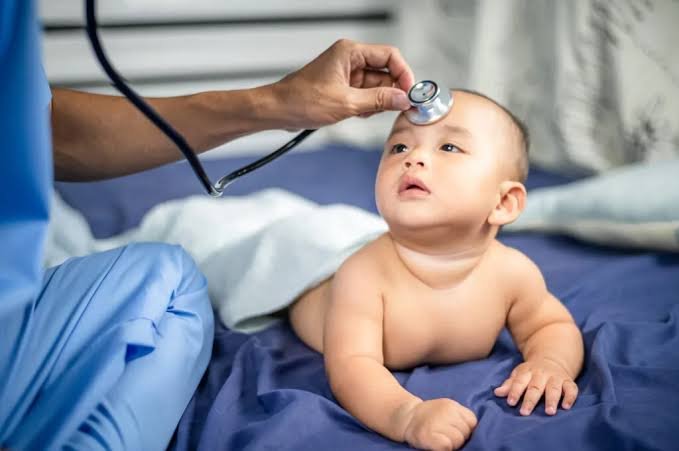
Children can become unwell quickly, and it is not always easy for parents to decide whether a symptom needs medical attention or can be monitored at home. A mild fever, occasional cough, reduced appetite, or a change in sleep may not always indicate a serious problem. However, certain symptoms can signal that a child should be evaluated by a medical professional.
Knowing when to search for a pediatrician near me can help parents respond appropriately without unnecessary delay. Pediatricians are trained to assess children at different stages of growth and can help with both sudden illnesses and ongoing health concerns.
When Should You Take Your Child to a Pediatrician?
A child should be evaluated by a pediatrician when symptoms are persistent, worsening, unusually severe, or accompanied by concerning changes in behaviour, breathing, hydration, or consciousness. Parents should also seek medical advice when they are worried about their child’s development, nutrition, growth, or recurring illnesses.
Some situations require urgent medical attention, while others can be addressed through a routine pediatric consultation. Understanding the difference is important.
Signs Your Child May Need Medical Attention
1. Difficulty Breathing
Breathing problems should always be taken seriously in children. A blocked nose from a common cold can make breathing uncomfortable, but signs such as rapid breathing, persistent wheezing, struggling to breathe, or visible pulling in of the skin around the ribs require prompt medical assessment.
If a child is having severe difficulty breathing, appears blue or grey around the lips or face, or cannot speak, cry, or drink normally because of breathing difficulty, seek emergency medical care immediately.
2. Persistent or High Fever
Fever is a common response to infection and does not always mean that a child has a serious illness. However, the child’s age, overall condition, temperature, and other symptoms all matter.
Parents should contact a pediatrician when:
- Fever persists or repeatedly returns.
- The child appears unusually weak or unwell.
- Fever occurs in a very young infant.
- The child has difficulty breathing, persistent vomiting, a stiff neck, seizure, or unusual drowsiness.
- There are other symptoms that concern the parent.
Rather than focusing only on the number shown on a thermometer, it is important to consider how the child looks and behaves.
3. Repeated Vomiting or Diarrhoea
Vomiting and diarrhoea are common childhood problems, particularly during infections. The main concern is dehydration, especially when a child cannot keep fluids down.
Warning signs can include:
- Very little or no urination
- Dry mouth or tongue
- No tears when crying
- Unusual sleepiness or weakness
- Dizziness or reduced responsiveness
- Difficulty drinking or keeping fluids down
If these symptoms occur, a pediatric assessment may be necessary. Severe dehydration can require urgent medical treatment.
4. Unusual Sleepiness or Changes in Behaviour
Parents often know their child’s normal behaviour better than anyone else. A child who is temporarily tired during an illness may simply need rest. However, unusual drowsiness, confusion, difficulty waking, or a significant change in responsiveness should not be ignored.
A sudden behavioural change accompanied by fever, severe headache, breathing problems, injury, seizure, or persistent vomiting warrants prompt medical attention.
5. Persistent Pain
Children may experience headaches, stomach aches, ear pain, muscle pain, or other discomfort for many reasons. Occasional mild pain may resolve, but persistent or severe pain deserves medical evaluation.
For example, severe abdominal pain accompanied by repeated vomiting, blood in stool, fever, a swollen abdomen, or significant weakness should be assessed promptly.
A pediatrician can consider the child’s age, symptoms, medical history, and physical examination findings before determining what evaluation may be appropriate.
Other Reasons to Schedule a Pediatric Consultation
Not every pediatric visit is prompted by an emergency. Regular consultations can help parents address concerns before they become more complicated.
Growth and Development Concerns
Children develop at different rates, but significant concerns about growth, speech, movement, learning, social interaction, or behaviour should be discussed with a pediatrician.
A pediatrician can assess developmental milestones and determine whether further evaluation or specialist support may be appropriate.
Feeding and Nutrition Problems
Poor appetite is common during childhood, but ongoing feeding difficulties can affect nutrition and growth. Parents may seek professional advice when a child consistently refuses food, has difficulty swallowing, has a very restricted diet, or is not growing as expected.
A pediatrician can help identify whether the issue may be related to feeding habits, illness, nutritional needs, or another underlying concern.
Recurrent Infections
Children commonly experience infections, particularly when they are exposed to other children at school or daycare. However, frequent, severe, prolonged, or unusual infections may need further assessment.
Keeping a simple record of symptoms, duration, previous treatments, and recovery can help the pediatrician understand the pattern.
Skin Changes and Allergic Symptoms
Rashes are common in children and can have many causes, including infections, allergies, irritation, eczema, or insect bites.
Medical evaluation becomes particularly important when a rash develops rapidly, is associated with breathing difficulty or swelling, involves significant blistering, or appears alongside a child who is seriously unwell.
How to Find the Right Pediatrician Near Me
When looking for a pediatrician, convenience is useful, but it should not be the only consideration. Parents may want to consider the doctor’s experience in pediatric care, the clinic’s accessibility, appointment availability, and whether the practice is suitable for their child’s ongoing healthcare needs.
It can also help to choose a pediatrician who communicates clearly and allows parents to ask questions. Good communication is especially important when discussing symptoms, medications, nutrition, development, vaccinations, and preventive care.
For families seeking pediatric care, Dr. Mahesh Katre can be considered as a pediatric healthcare professional when discussing children’s health concerns and routine pediatric needs. Parents should provide complete information about their child’s symptoms and medical history during a consultation.
What Information Should Parents Bring to a Pediatric Visit?
A little preparation can make a pediatric appointment more useful. Parents can note:
- When the symptoms started
- Whether symptoms are improving or getting worse
- Fever readings and timing, if applicable
- Changes in appetite, drinking, urination, or sleep
- Any vomiting, diarrhoea, cough, rash, or pain
- Medicines or supplements already given
- Previous medical conditions or allergies
- Recent exposure to illness, if relevant
For recurring problems, keeping a brief symptom diary may also help identify patterns.
When Is Emergency Care More Appropriate?
Some symptoms should not wait for a routine pediatric appointment. Emergency medical care may be appropriate when a child has severe breathing difficulty, becomes unresponsive or very difficult to wake, experiences a seizure, has a serious injury, develops blue or grey skin around the lips or face, or has other signs of a potentially life-threatening condition.
When a child appears seriously ill, parents should seek emergency medical assistance rather than relying on an online search or waiting for a regular appointment.
Frequently Asked Questions
When should I search for a pediatrician near me?
You can consider contacting a pediatrician when your child has persistent or worsening symptoms, recurring health problems, developmental concerns, feeding difficulties, or changes in growth or behaviour. Urgent symptoms such as severe breathing difficulty or reduced responsiveness require emergency medical care rather than a routine appointment.
Is every fever in a child a reason to see a pediatrician?
Not necessarily. Many childhood fevers occur with common infections and resolve with appropriate care. However, very young infants, children who appear seriously unwell, or those with persistent fever or concerning symptoms should be medically evaluated.
How do I know if vomiting or diarrhoea is becoming serious?
The major concern is dehydration. Reduced urination, dry mouth, absence of tears, unusual weakness or sleepiness, and difficulty keeping fluids down are signs that medical advice may be needed.
Should I take my child to a pediatrician for developmental concerns?
Yes. If you have concerns about your child’s speech, movement, learning, behaviour, social interaction, growth, or other developmental milestones, discussing them with a pediatrician can be an appropriate first step. Early assessment can help determine whether additional evaluation or support is needed.
What should I tell the pediatrician during an appointment?
Explain when the symptoms started, how they have changed, and any associated symptoms. Also mention relevant medical history, allergies, medications, changes in eating or drinking, sleep, urination, and anything else that seems different from your child’s usual behaviour.
Conclusion
Knowing which symptoms require medical attention can help parents make timely decisions about their child’s health. While many childhood illnesses are mild and temporary, persistent symptoms, breathing difficulties, dehydration, unusual behaviour, severe pain, and developmental concerns should be discussed with a healthcare professional when appropriate. When parents are concerned about their child’s health, consulting Dr. Mahesh Katre or another qualified pediatrician can provide an appropriate clinical assessment and guidance based on the child’s individual needs.