Subtotal $0.00

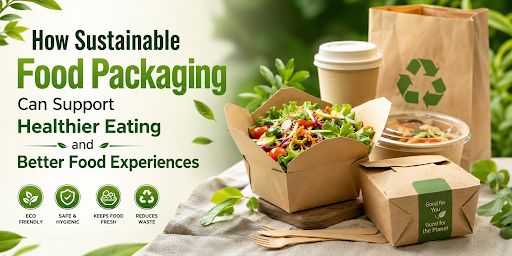
As awareness of healthy living and environmental responsibility continues to grow, people are paying closer attention to more than just the ingredients in their meals. The way food is packaged, protected, and presented can also influence the overall eating experience. Sustainable food packaging offers a practical approach that combines food protection with environmental responsibility. By using appropriate materials and thoughtful designs, food packaging can help maintain freshness, improve convenience, and reduce unnecessary waste.Custom food boxes are one example of packaging that can be adapted to different food types, portion sizes, and presentation needs. When designed appropriately, they can help keep meals protected and organized while providing a practical alternative to excessive plastic packaging. Choosing suitable materials and dimensions can also create a better balance between food protection, convenience, and sustainability.
The Connection Between Food Packaging and Healthy Eating
Healthy eating begins with nutritious choices, but maintaining food quality is equally important. Fresh ingredients can lose their appeal when they are exposed to moisture, contamination, air, or excessive handling. Suitable packaging creates a protective layer around food and helps maintain its condition until it is ready to be consumed.Good packaging can also make balanced meals easier to manage. When different components of a meal remain organized, people can enjoy vegetables, proteins, grains, fruits, and other ingredients without unnecessary mixing or damage. This can make nutritious meals more appealing and encourage people to maintain healthier eating habits.
Why Sustainable Materials Matter
Traditional food packaging can contribute significantly to everyday waste, particularly when single-use materials are used excessively. Sustainable alternatives can help address this concern by relying on materials that are recyclable, renewable, or easier to dispose of responsibly.Paperboard, recycled fiber, and other responsibly sourced materials can provide useful packaging solutions without depending entirely on conventional plastics. However, sustainability should not be considered only in terms of the material itself. The entire packaging design matters, including how much material is used, how efficiently it protects food, and what happens to it after use.
Reducing Unnecessary Packaging Waste
Using more packaging does not necessarily mean providing better protection. Excessive layers, oversized containers, and unnecessary components can increase material consumption without offering meaningful benefits.A more thoughtful approach focuses on using the right amount of packaging for the food product. Proper sizing can reduce wasted space and materials while still providing adequate protection. This can support both environmental goals and efficient food handling.
Supporting Food Freshness and Quality
Freshness has a direct impact on how food looks, smells, feels, and tastes. Packaging therefore needs to provide an appropriate level of protection according to the type of food being stored.For example, delicate foods may require stronger structural protection, while dry foods may benefit from packaging that limits exposure to moisture. The goal is not simply to create a container but to develop a packaging solution that supports the characteristics of the food inside.When food remains fresh and presentable, people are more likely to have a positive perception of the meal. Sustainable packaging can contribute to this experience when its material and design are selected carefully.
Improving Hygiene and Food Safety
Hygiene is another important consideration when discussing food packaging. Food can come into contact with multiple surfaces during preparation, transportation, and handling. Appropriate packaging can create a protective barrier that helps reduce unnecessary exposure to dust, dirt, and other external contaminants.Clean and well-structured packaging can also make food easier to handle. Keeping the interior protected and the packaging securely closed can support better hygiene throughout the food journey. This is especially important for ready-to-eat meals and foods that are consumed without additional preparation.Sustainable packaging should therefore be designed with both environmental and practical requirements in mind. A material may be environmentally preferable, but it should also be suitable for the type of food it contains and capable of providing adequate protection.
Making Meals More Convenient
Modern lifestyles often require people to eat outside traditional dining environments. Meals may be enjoyed at workplaces, during journeys, at home, or in other everyday settings. Packaging can make these experiences easier by keeping food organized and manageable.Lightweight and appropriately sized packaging can be easier to carry and store. Secure structures can also help minimize accidental spills and protect food from physical damage. These features may appear simple, but they can significantly influence the overall experience of eating packaged food.Convenience can also support healthier routines. When nutritious meals are easy to carry and manage, maintaining consistent eating habits can become more practical for people with busy schedules.
Better Presentation Can Improve the Food Experience
People often form their first impression of food through its appearance. Clean, organized, and attractive presentation can make a meal appear more appetizing before the first bite.Packaging contributes to this visual experience by framing the food and keeping its different components organized. A thoughtful design can highlight the natural appearance of fresh ingredients without requiring excessive decorative materials.Sustainable packaging can therefore support presentation without creating unnecessary environmental costs. Minimal and functional designs can be both visually appealing and responsible.
Portion Awareness and Organized Meals
Packaging can also contribute to better portion awareness. Appropriately sized containers can help create a clear structure for meals and make individual portions easier to understand.This does not mean packaging alone determines healthy eating habits. Instead, it can support an environment where balanced portions and organized meals are easier to maintain. Divided sections, suitable dimensions, and practical layouts can help keep different food groups separate and visually identifiable.For people trying to develop more mindful eating habits, this organization can make meals feel more structured and intentional.
Choosing Packaging With a Long-Term Perspective
Sustainable food packaging should be evaluated beyond its appearance. Material sourcing, durability, recyclability, production efficiency, and disposal options all contribute to its overall environmental impact.A strong packaging approach considers the complete life cycle of the package. Using responsibly sourced materials, avoiding unnecessary components, and designing packaging for efficient use can help create a more balanced solution.This long-term perspective is increasingly important as food systems and consumer expectations continue to evolve.
Supporting a More Sustainable Food Culture
The future of food is closely connected with sustainability. As people become more aware of environmental issues, packaging will continue to play an important role in shaping responsible food practices.Sustainable food packaging can contribute to this change by reducing unnecessary material consumption, encouraging responsible disposal, and supporting the use of renewable or recyclable resources. At the same time, it can continue providing the protection and convenience that modern food systems require.The most effective solutions are those that balance environmental responsibility with practical performance. Packaging should protect food without relying on excessive materials, and it should provide convenience without creating unnecessary waste.
Balancing Sustainability With Functionality
One of the biggest challenges in sustainable packaging is finding the right balance between environmental benefits and food protection. Packaging that is difficult to recycle may create waste, while packaging that provides insufficient protection can lead to damaged or spoiled food.Food waste itself has an environmental cost, so preventing unnecessary food loss is also an important part of sustainability. A well-designed package should therefore use materials efficiently while providing enough protection to preserve the food inside.This balanced approach demonstrates that sustainable packaging is not simply about replacing one material with another. It involves considering food quality, safety, usability, environmental impact, and the complete consumer experience.
Creating Better Everyday Food Experiences
A positive food experience involves more than taste. Freshness, cleanliness, presentation, convenience, and environmental responsibility can all influence how people perceive a meal.Sustainable packaging can bring these elements together. It can help protect food, keep meals organized, improve portability, and reduce reliance on unnecessary materials. When these features work together, packaging becomes a useful part of the overall food experience rather than simply a container.As healthier lifestyles and environmental awareness continue to influence everyday choices, custom packaging will increasingly be expected to support both personal well-being and responsible consumption.
Conclusion
Sustainable food packaging has an important role to play in creating healthier and more enjoyable food experiences. By protecting freshness, supporting hygiene, improving meal organization, and reducing unnecessary waste, thoughtfully designed packaging can benefit both consumers and the environment.The goal is not simply to use less packaging but to use it more intelligently. Choosing appropriate materials, practical dimensions, efficient designs, and responsible disposal options can create packaging that supports food quality while minimizing environmental impact.As the food industry continues to evolve, sustainable packaging can become an essential part of a more responsible food culture. When environmental considerations and food experiences are addressed together, packaging can help create a system that is practical, thoughtful, and better suited to the needs of both people and the planet.
FAQs
- How does sustainable food packaging support healthier eating?
Sustainable food packaging helps protect food from external contaminants, maintain freshness, and keep different meal components organized. This can contribute to better food quality and a more convenient eating experience. - What makes food packaging sustainable?
Food packaging can be considered more sustainable when it uses recyclable, recycled, renewable, or responsibly sourced materials and avoids unnecessary packaging components. Efficient design and reduced material use are also important. - Can sustainable packaging keep food fresh?
Yes. When the appropriate material and structure are selected for a particular food product, sustainable packaging can provide protection against moisture, dust, physical damage, and other external factors that may affect freshness. - Why is food packaging important for hygiene?
Food packaging creates a protective barrier between food and the external environment. Properly designed packaging can help reduce unwanted contact and keep meals cleaner during handling, storage, and transportation. - How can sustainable food boxes improve the food experience?
Well-designed food boxes can make meals easier to carry, handle, store, and enjoy. They can also improve food presentation while reducing unnecessary packaging materials. - Does sustainable packaging reduce food waste?
Effective packaging can help reduce food waste by protecting meals from damage and maintaining their quality. However, packaging should be designed efficiently so that protecting food does not create unnecessary material waste. - Why is packaging design important for sustainability?
Packaging design determines how much material is required, how efficiently the package protects food, and how practical it is after use. A well-designed package can achieve its purpose while using fewer resources.