Subtotal $0.00

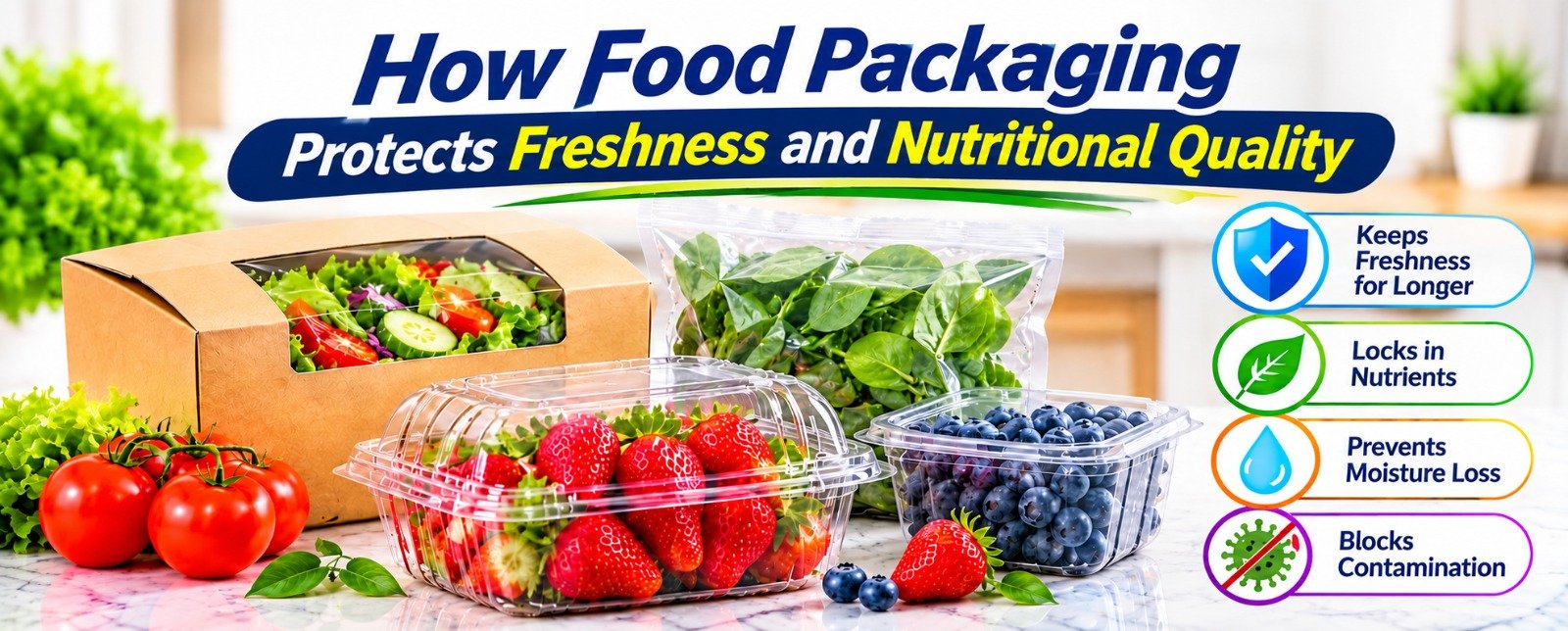
Food quality depends on more than the ingredients used during preparation. Storage conditions, transportation, exposure to air, and contact with moisture can all affect how long food remains fresh. Even nutritious products can lose their quality when they are not stored properly. Packaging plays an important role in protecting food from these external conditions and helping maintain its original characteristics.
Choosing suitable Custom Food Boxes can support better food storage by providing protection against dust, handling damage, and certain environmental factors. The right packaging also helps businesses present their products safely while making it easier for customers to store and carry different food items. When packaging is designed around the needs of a particular product, it can contribute to a better overall food experience.
Why Food Quality Changes During Storage
Food naturally changes over time. Some products lose moisture, while others absorb it from the surrounding environment. Exposure to oxygen can also affect taste, color, and texture, particularly in foods containing fats and oils. Temperature changes and direct sunlight may speed up these processes. Fresh fruits and vegetables can lose moisture, baked goods may become stale, and certain packaged foods can develop unwanted odors when stored incorrectly.
Several factors influence food quality during storage:
- Air exposure: Oxygen can contribute to oxidation and changes in flavor.
- Moisture: Excess humidity may encourage mold growth, while dry conditions can affect texture.
- Light: Direct light can damage certain nutrients and affect food appearance.
- Temperature: Improper temperatures can shorten the shelf life of perishable products.
- Contamination: Dust, microorganisms, and improper handling can create food safety concerns.
Understanding these factors helps manufacturers choose packaging that suits their products.
The Role of Packaging in Preserving Nutrients
Nutrients do not remain unchanged under every storage condition. Vitamins such as vitamin C are sensitive to oxygen, heat, and light. Certain fats can also become oxidized when exposed to air for extended periods. Appropriate packaging helps limit exposure to these elements. For example, opaque materials can reduce light exposure, while suitable sealed containers can help control contact with air and moisture. However, packaging alone cannot guarantee that nutrients will remain unchanged. Food quality also depends on processing methods, storage temperatures, product composition, and the length of time it is stored.
Choosing Materials for Different Food Products
Not every food item requires the same type of packaging. A material that works well for dry snacks may not be suitable for fresh produce or refrigerated products.
Food businesses should consider the following points when selecting packaging materials:
- Paperboard: Commonly used for dry food products, bakery items, and takeaway packaging.
- Plastic films: Can provide moisture barriers and help seal certain food products.
- Glass containers: Suitable for products that require a strong barrier against gases and moisture.
- Aluminum packaging: Often used when protection from light, air, and moisture is important.
- Flexible pouches: Useful for snacks, powders, and other lightweight products.
The material should always be suitable for direct or indirect food contact, depending on how the product is packaged.
Packaging and Food Safety Go Hand in Hand
Food safety is one of the most important considerations in the food industry. Packaging creates a protective layer between food and its surrounding environment, reducing the risk of contamination during storage and distribution. A properly sealed package can help prevent unwanted contact with dust, insects, and other external contaminants. Tamper-evident features can also help customers identify whether a package has been opened before purchase.
Businesses should pay attention to:
- Proper sealing and closure systems.
- Food-contact material safety.
- Clear storage and handling instructions.
- Suitable packaging for refrigerated or frozen products.
- Protection against leakage and physical damage.
These measures help maintain product quality from production to the point of sale.
The Importance of Packaging During Transportation
Food products often travel through several stages before reaching customers. They may move between production facilities, warehouses, distribution centers, and retail stores. During this process, vibration, pressure, and rough handling can damage poorly protected items. Strong packaging helps reduce physical damage and keeps products organized during transportation. It is particularly important for fragile bakery products, ready-to-eat meals, and items that need to retain their shape. Good packaging design should consider product weight, size, stacking requirements, and expected transportation conditions. This helps businesses select suitable packaging without using unnecessary material.
How Packaging Influences Customer Experience
Packaging is often the first part of a food product that customers notice. Its appearance, convenience, and functionality can influence how people perceive the product. Customers generally appreciate packaging that is easy to open, simple to store, and convenient to dispose of or recycle. Clear labels also help them understand ingredients, allergens, nutritional information, and storage instructions.
A positive packaging experience can encourage customers to trust a brand and make repeat purchases. For food businesses, this makes packaging an important part of product development rather than simply an outer covering.
Sustainable Packaging and Responsible Food Choices
Environmental concerns have encouraged food businesses to explore more responsible packaging options. Recyclable paperboard, appropriately designed mono-material packaging, and materials sourced from renewable resources are among the options being considered. However, sustainability should not come at the cost of food safety or product protection. Packaging that fails to protect food may contribute to waste by allowing products to spoil before consumption.
Businesses should look for a practical balance between:
- Product protection and shelf-life requirements.
- Recyclability and material recovery.
- Reduced unnecessary packaging.
- Responsible material sourcing.
- Easy handling and storage.
The most suitable option is one that protects the food while considering its environmental impact throughout its use.
Making Better Packaging Decisions for Food Businesses
Selecting packaging requires an understanding of the product, its storage conditions, and the expectations of customers. Businesses should assess how sensitive their food items are to moisture, oxygen, light, and physical damage before choosing a material or design. Working with reliable packaging suppliers and testing packaging under realistic storage and transportation conditions can help identify weaknesses before products reach the market. Businesses can also review customer feedback to understand whether packaging is practical and easy to use. Thoughtful Custom Packaging Boxes can help food brands maintain consistent presentation while providing suitable protection during handling and distribution. The choice of material, dimensions, closure, and structural design should reflect the actual requirements of the food product rather than appearance alone.
Conclusion
Food packaging plays a valuable role in maintaining product freshness, supporting food safety, and protecting nutritional quality. From controlling exposure to air and moisture to reducing physical damage during transportation, the right packaging can make a meaningful difference throughout the food supply chain. For food businesses, selecting suitable materials and designs is an important step toward delivering products in good condition. By combining proper storage practices with practical packaging solutions, brands can reduce avoidable food waste, improve customer satisfaction, and build greater confidence in their products.
Frequently Asked Questions
1. How does food packaging help maintain freshness?
Food packaging helps limit exposure to air, moisture, light, and external contaminants. Suitable packaging can slow down certain quality changes and help food remain fresh for longer.
2. Can packaging affect the nutritional value of food?
Yes. Packaging can influence how much food is exposed to oxygen and light, which may affect sensitive nutrients. However, processing, temperature, and storage time also play important roles.
3. Which packaging material is best for food products?
There is no single material suitable for every food item. Paperboard, plastic, glass, aluminum, and flexible materials each serve different purposes depending on the product’s requirements.
4. Why is moisture protection important in food packaging?
Moisture can affect texture, encourage mold growth, and reduce the quality of certain products. Appropriate moisture barriers help maintain the intended condition of food.
5. How does packaging improve food safety?
Properly designed and sealed packaging reduces unwanted contact with external contaminants. Food-grade materials and secure closures also support safer storage and handling.
6. What is the role of packaging in food transportation?
Packaging protects food from pressure, movement, leakage, and physical damage during transportation. It also helps keep products organized throughout distribution.
7. Is sustainable food packaging a good choice for businesses?
Yes, when it meets food safety and protection requirements. Recyclable and responsibly sourced materials can help reduce environmental impact without compromising product quality.
8. How can businesses choose the right food packaging?
Businesses should consider the food type, moisture sensitivity, storage temperature, transportation conditions, shelf-life requirements, and customer convenience before selecting packaging.