Subtotal $0.00

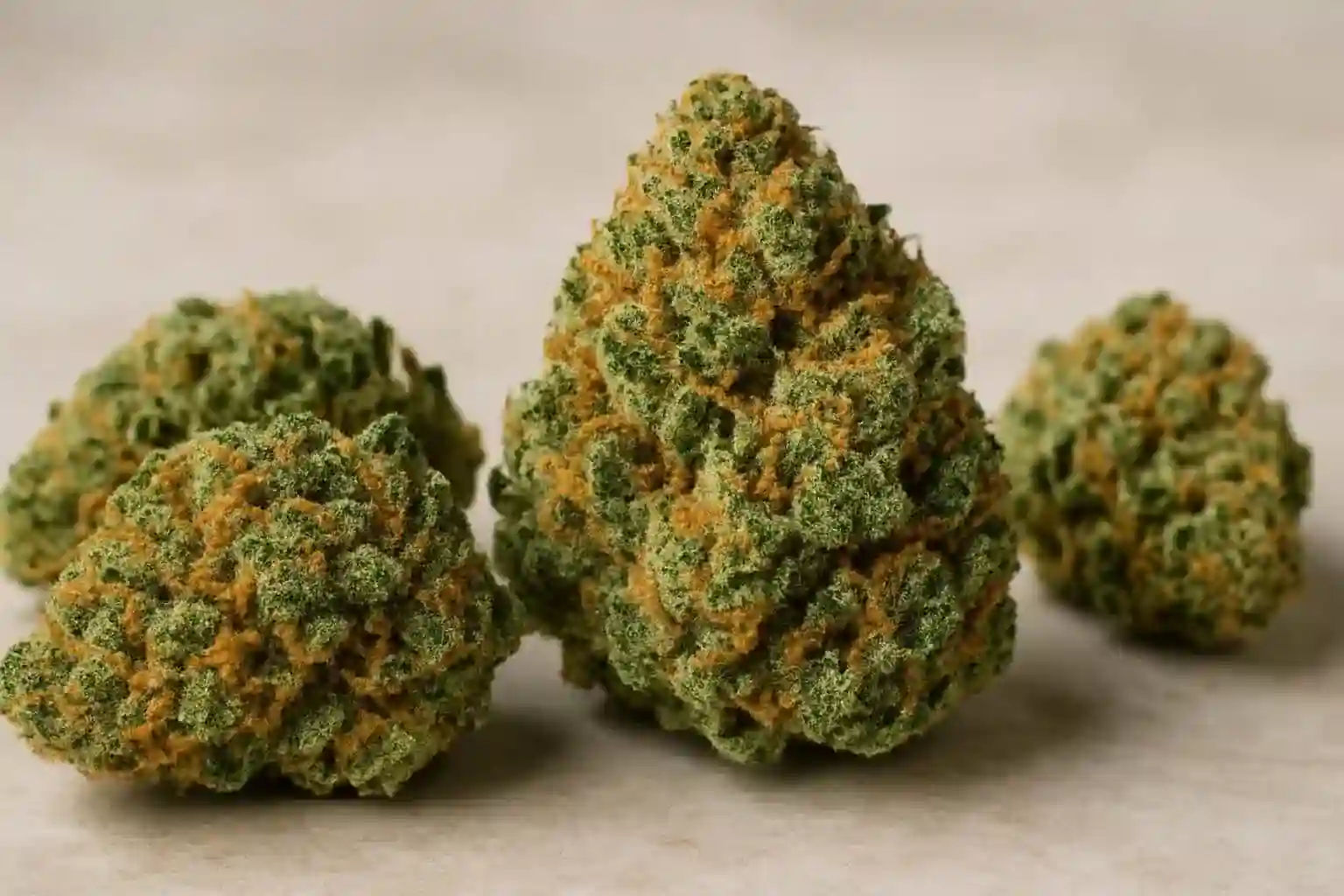
If you’ve ever walked into a dispensary and felt completely overwhelmed by the wall of jars, you’re not alone. Ask any budtender what the most common question is, and they’ll tell you it’s some version of “what’s the difference?” The truth is, picking a weed strain isn’t just about the name on the label or how good the buds look in a jar. Strain choice can completely change how you feel, how long the effects last, and whether your evening turns into a productive creative session or a couch-locked nap. Understanding what actually separates one strain from another can save you money, save you a bad night, and help you get exactly the experience you’re looking for.
This guide breaks down what strains really are, how they affect your body and mind, and how to choose one that actually fits your life instead of guessing based on a cool name like “Purple Punch” or “Gorilla Glue.”
What Is a Weed Strain, Really?
A strain is essentially a specific genetic variety of the cannabis plant, similar to how there are hundreds of varieties of apples or grapes. Each strain has its own combination of cannabinoids (like THC and CBD), terpenes (the aromatic oils that give cannabis its smell and flavor), and growing characteristics.
The Three Basic Categories
For decades, strains have been sorted into three broad buckets:
- Indica – traditionally associated with relaxation, heaviness in the body, and sedation. Often described as a “nighttime” strain.
- Sativa – traditionally associated with energy, focus, and uplifted mood. Often called a “daytime” strain.
- Hybrid – a cross between indica and sativa genetics, aiming to balance the two effects.
Here’s the catch that most articles skip: modern cannabis science has shown that the indica/sativa split doesn’t reliably predict effects the way people assume. Two “indica” strains grown by different farms can feel completely different from each other. What actually drives the experience is the chemical makeup underneath the label, mainly cannabinoids and terpenes, not just whether a plant grew tall and skinny (sativa) or short and bushy (indica).
The Real Drivers Behind Your High: Cannabinoids
THC Content
THC (tetrahydrocannabinol) is the primary psychoactive compound in cannabis. Higher THC percentages generally mean a more intense experience, but “intense” isn’t always “better.” A strain with 28% THC isn’t automatically superior to one with 16% it just hits harder and faster, which can be overwhelming for new or occasional consumers.
CBD and Minor Cannabinoids
CBD (cannabidiol) doesn’t produce the same head-high as THC and can actually soften some of THC’s more anxious or racy side effects. Strains bred with a balanced THC-to-CBD ratio tend to feel more mellow and functional, which is why they’re popular with people who want relief without feeling foggy or impaired.
Terpenes: The Underrated Game-Changer
Terpenes are the aromatic compounds responsible for the smell of a strain of pine, citrus, diesel fuel, berries, you name it. But they’re not just about smell. Research suggests terpenes interact with cannabinoids to shape the overall effect, a concept often called the “entourage effect.”
Common Terpenes and What They’re Linked To
- Myrcene – earthy, musky aroma; associated with sedating, relaxing effects
- Limonene – citrusy scent; associated with uplifted mood
- Pinene – pine scent; associated with alertness and mental clarity
- Caryophyllene – peppery, spicy aroma; the only terpene known to interact with the body’s CB2 receptors, sometimes linked to calming effects
This is why two strains with nearly identical THC percentages can feel completely different; the terpene profile is doing a lot of the heavy lifting.
Real-Life Examples: How Strain Choice Plays Out
Let’s put this into a real-world context.
Take someone who works a desk job and wants to unwind after a stressful day without falling asleep at 7 p.m. They pick up a hybrid with a citrus-forward terpene profile and moderate THC. The result: relaxed shoulders, a clearer head, and enough energy left to cook dinner and watch a movie.
Compare that to a weekend scenario: a small group gathering for a backyard hangout on a Saturday afternoon. Someone brings a sativa-leaning strain known for a light, giggly, social high. Conversation flows easily, everyone stays engaged, and nobody ends up zoning out on the couch.
This is the piece most beginners miss: there’s no universally “best” strain. There’s only the best strain for what you’re trying to do at that specific moment.
Matching a Strain to Your Goal
For Relaxation and Sleep
Look for strains with higher myrcene content, often labeled indica or indica-dominant hybrids. Lower THC percentages in the 14–20% range are usually enough to unwind without feeling knocked out the next morning.
For Focus and Creativity
Sativa-leaning strains with pinene or limonene tend to support mental clarity rather than fogginess. Many people use these earlier in the day when they still need to be productive.
For Social Situations
Balanced hybrids with moderate THC tend to keep people talkative and present rather than introspective or drowsy, useful for gatherings, dinners, or low-key hangouts.
For Pain or Tension
Strains higher in caryophyllene, sometimes paired with a moderate CBD ratio, are commonly chosen by people managing physical discomfort who still want to function through their day.
Finding the Right Strain Without the Guesswork
The honest truth is that trial and error plays a role for almost everyone, even experienced consumers. Keeping a simple log strain name, THC/CBD percentage, dominant terpenes, and how it makes you feel makes a huge difference over time. Patterns emerge quickly once you start paying attention instead of just picking whatever looks appealing in the display case.
For people in Northern California who’d rather skip the dispensary line altogether, getting product straight to your door through a reliable weed delivery in Yuba City service makes it much easier to try a few different strains side by side without committing to a big purchase upfront. Comparing strains in your own environment, on your own schedule, tends to give a much more honest picture of how something actually affects you than trying it once in an unfamiliar setting.
Final Thoughts
Strains aren’t just marketing labels, they’re the reason two products that look identical in a jar can produce completely different experiences. Once you start paying attention to THC levels, terpene profiles, and how your body actually responds, choosing cannabis stops being a guessing game and starts feeling a lot more intentional. Whether you’re picking something up in person or having it brought to you, taking the time to understand what’s actually in your product pays off every single time.
Frequently Asked Questions
Is indica always more relaxing than sativa?
Not necessarily. While the general association holds true broadly, terpene content and individual body chemistry play a bigger role than the indica/sativa label alone. Two indica strains can feel very different from each other.
Does higher THC mean a better strain?
No. Higher THC means a more intense psychoactive effect, not necessarily a more enjoyable one. Many experienced consumers prefer moderate THC strains with a rich terpene profile over high-THC strains that feel overwhelming or anxious.
Can strain choice affect anxiety?
Yes. Strains high in THC and low in CBD can increase anxiety or paranoia in sensitive individuals, especially at higher doses. Balanced or CBD-forward strains tend to be gentler on the nervous system.
How long does it take to feel the effects of a new strain?
Smoked or vaped flower typically takes effect within 5–15 minutes. Edibles take significantly longer, often 30 minutes to 2 hours, so patience is important to avoid overconsuming.
Should beginners start with a specific strain type?
Beginners generally do well starting with low-THC hybrids and paying close attention to how they feel before trying anything higher in potency or more sedating.
Do strain names actually mean anything?
Not always. Because of inconsistent breeding and naming practices across growers, the same strain name can vary in potency and terpene content from one producer to the next. Checking the lab results (THC/CBD percentage and terpene profile) is far more reliable than the name alone.