Subtotal $0.00

Introduction
Greaseproof paper has become an essential packaging material for bakeries, restaurants, cafés, food manufacturers, takeaway businesses, and catering companies. Its resistance to oil and grease makes it suitable for wrapping, lining, separating, and presenting a wide range of food products. As demand for convenient and hygienic food packaging continues to grow, businesses are increasingly looking for reliable greaseproof paper roll suppliers that can provide consistent quality, competitive pricing, and dependable delivery. Choosing the right supplier is important because packaging directly affects product presentation, food safety, operational efficiency, and customer experience. Whether a business needs rolls for bakery production, fast-food packaging, or industrial food processing, working with a dependable supplier can make a significant difference.
What Is Greaseproof Paper?
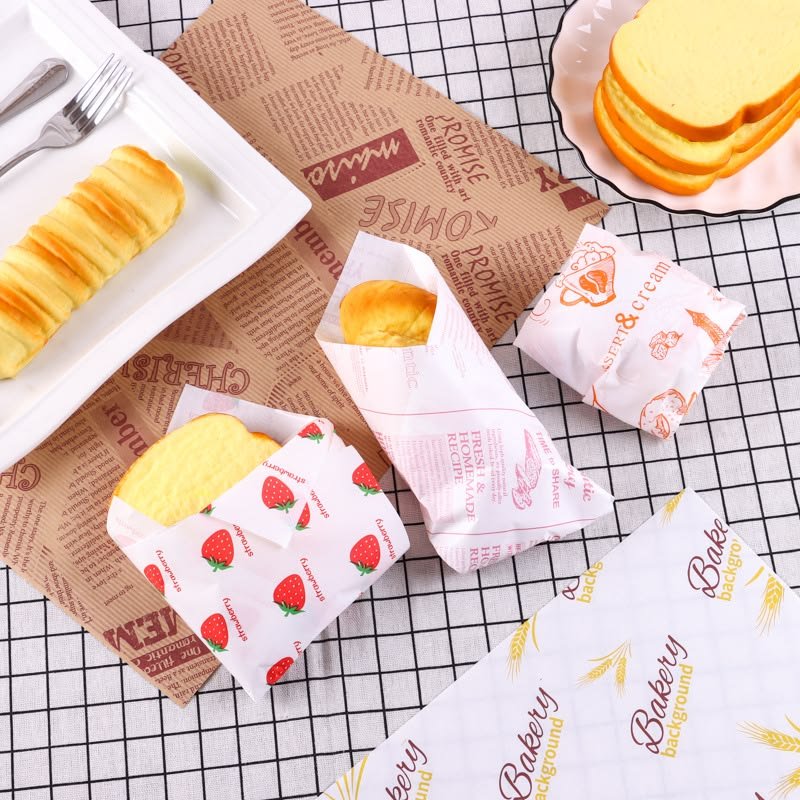
Greaseproof paper is specially manufactured to resist the penetration of oils, fats, and grease. Unlike ordinary paper, it is designed to prevent oily substances from quickly soaking through the material. This makes it particularly useful for food packaging applications. Greaseproof paper rolls are available in different widths, thicknesses, lengths, and finishes. Depending on the intended application, businesses may use them for wrapping sandwiches, lining food trays, packaging bakery products, separating frozen foods, or preparing takeaway meals. Some greaseproof papers can also be customized with printed designs, logos, brand messages, or other visual elements. This allows businesses to combine practical food protection with effective branding.
Why Businesses Need Reliable Greaseproof Paper Roll Suppliers
A supplier does more than simply provide packaging materials. The right supplier can become an important part of a company’s supply chain. Consistent paper quality helps businesses maintain smooth packaging operations and avoid unexpected interruptions. Reliable greaseproof paper roll suppliers generally focus on several important areas, including product consistency, manufacturing standards, order flexibility, packaging, and delivery schedules. For businesses purchasing packaging materials regularly, consistency is particularly important. Variations in paper thickness, roll dimensions, grease resistance, or cutting quality can affect packaging equipment and production processes.
Important Factors When Choosing a Supplier
1. Paper Quality
Quality should be one of the first considerations when evaluating a supplier. High-quality greaseproof paper should provide effective resistance against oils and fats while remaining suitable for the intended food packaging application. Businesses should ask suppliers about paper specifications, available grades, thicknesses, and manufacturing processes. It is also useful to request samples before placing large orders.
2. Food Packaging Suitability
Since greaseproof paper is frequently used in direct or indirect food-contact applications, businesses should consider whether the product meets applicable food packaging requirements in their target market. A professional supplier should be able to provide relevant product information and documentation regarding the paper’s intended use. Buyers should verify that the material is appropriate for their specific application.
3. Roll Sizes and Customization
Different businesses require different roll dimensions. A bakery may need one width, while a large food manufacturer may require wider rolls for automated packaging equipment. Established suppliers often offer multiple roll sizes and can sometimes provide customized dimensions. Custom printing may also be available for companies that want their packaging to support brand recognition.
4. Printing Capabilities
Printed greaseproof paper can turn simple packaging into a marketing opportunity. A company logo, pattern, slogan, or brand color can make food packaging more recognizable. When considering printed products, businesses should discuss printing methods, available colors, artwork requirements, minimum order quantities, and production times with potential suppliers.
5. Production Capacity
For businesses with substantial packaging requirements, supplier capacity is an important consideration. A supplier may offer excellent products but struggle to fulfill large or recurring orders. Before establishing a long-term relationship, buyers should understand the supplier’s typical production capacity, lead times, minimum order quantities, and ability to handle urgent requirements.
Applications of Greaseproof Paper Rolls
Greaseproof paper rolls are used across numerous food-related industries. Bakeries commonly use them for cookies, pastries, cakes, bread products, and other baked goods. Restaurants and cafés may use greaseproof paper to wrap sandwiches, burgers, fries, and other takeaway foods. Food manufacturers can also use rolls for production-line packaging, interleaving, or product protection. Catering companies may use greaseproof paper for food presentation at events, while retailers can use branded paper to create a more professional customer experience. Because of its versatility, greaseproof paper can serve both functional and aesthetic purposes.
Benefits of Buying from Experienced Suppliers
Working with experienced greaseproof paper roll suppliers can provide several advantages. First, experienced suppliers typically understand the different requirements of food businesses and can help customers select appropriate paper specifications. Second, established suppliers may have more reliable quality-control procedures. Consistent manufacturing can reduce problems such as uneven rolls, inconsistent paper properties, or packaging defects. Third, experienced suppliers may offer better support for customized orders. This can be particularly valuable for businesses that need specific roll dimensions or branded printing.
Cost and Bulk Purchasing
Price is naturally an important consideration when purchasing packaging materials. However, businesses should avoid selecting a supplier based solely on the lowest quoted price. The total cost can depend on paper quality, roll dimensions, printing, packaging, shipping, minimum order quantities, and delivery schedules. A slightly lower unit price may not represent a better value if the material creates production problems or arrives late. Bulk purchasing can often reduce the per-unit cost, particularly for businesses with predictable packaging requirements. Buyers should compare quotations based on the complete specification rather than price alone.
Sustainable Packaging Considerations
Environmental considerations are increasingly influencing packaging decisions. Businesses may look for paper products that support their sustainability objectives and are appropriate for their intended disposal or recycling systems. When evaluating suppliers, companies can ask about paper sourcing, manufacturing practices, packaging materials, and available environmentally focused product options. Sustainability claims should be checked against relevant product documentation and applicable standards.
How to Evaluate Potential Suppliers
Before choosing a supplier, businesses should create a clear list of requirements. This may include paper type, roll width, length, thickness, printing requirements, estimated monthly quantity, delivery location, and budget. Requesting samples is a practical way to evaluate product quality before committing to a large order. Buyers should also compare lead times, communication, customization options, payment terms, and customer support. A supplier that communicates clearly and provides accurate product information can make future purchasing considerably easier.
Conclusion
Finding dependable greaseproof paper roll suppliers is an important step for businesses that rely on effective food packaging. Product quality, food-packaging suitability, roll specifications, customization, production capacity, delivery reliability, and overall value should all be considered before making a purchasing decision. The right greaseproof paper can help protect food products, improve presentation, support branding, and streamline packaging operations. By comparing suppliers carefully and selecting products based on actual business requirements, companies can establish a dependable packaging supply chain that supports both day-to-day operations and long-term growth.