Subtotal $0.00

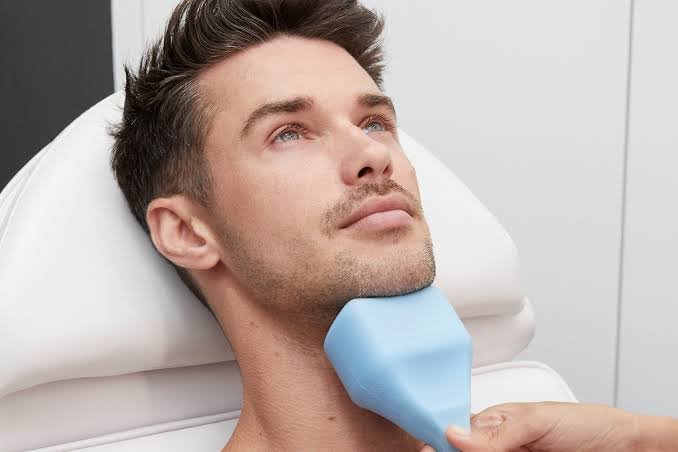
A double chin can appear for many reasons, including genetics, ageing, changes in skin elasticity, or the way the body stores fat. It can affect people at different ages and body types, and it does not necessarily indicate that someone is overweight. For those who feel self-conscious about fullness beneath the chin, several treatment options are available.
The right double chin treatment depends on whether the main concern is excess fat, loose skin, or a combination of both. Understanding the available methods, their benefits, limitations, and recovery requirements can help patients have a more informed discussion with a qualified aesthetic or medical professional.
What Causes a Double Chin?
A double chin refers to excess fullness or loose tissue beneath the chin and along the upper neck. Several factors can contribute to its appearance.
Common causes include:
- Genetics: Some people naturally store more fat beneath the chin or have a facial structure that makes the area appear fuller.
- Ageing: As collagen and elastin decrease with age, skin may gradually lose firmness and definition.
- Weight changes: Gaining weight can increase fat deposits under the chin, although a double chin can also occur in people with a healthy body weight.
- Skin laxity: Loose skin can create a hanging or less-defined appearance around the jawline.
- Facial anatomy: The position of the jaw, chin projection, and neck structure can influence how the area looks.
Because these causes are different, treatment should be selected after assessing the individual’s anatomy rather than simply treating the appearance of fullness.
What Is the Best Double Chin Treatment?
There is no single treatment that is suitable for everyone. Non-surgical fat-reduction treatments may be considered when excess fat is the primary concern, while surgical approaches may be discussed when there is significant fat, loose skin, or a need for more substantial contouring.
A consultation allows a professional to determine whether the concern is mainly related to submental fat, skin laxity, muscle structure, or a combination of factors.
Non-Surgical Options for Double Chin Reduction
Non-surgical approaches can be attractive to people who want to improve the contour beneath the chin without undergoing traditional surgery. However, results and suitability vary between individuals.
Injectable Fat Reduction
Certain injectable treatments are designed to reduce fat cells beneath the chin. The active ingredient used in approved treatments can destroy targeted fat cells, which are then gradually processed by the body.
This approach may be considered when:
- The main concern is moderate submental fat.
- The skin has reasonable elasticity.
- The patient prefers a non-surgical approach.
- Gradual improvement is acceptable.
Temporary swelling, bruising, tenderness, or redness can occur after treatment. The number of sessions required depends on the individual and the treatment plan.
Cryolipolysis
Cryolipolysis uses controlled cooling to target fat cells. The treated fat cells are gradually eliminated by the body over time.
It may be an option for selected patients with a suitable amount of pinchable fat beneath the chin. Because it primarily targets fat rather than loose skin, it may not address significant skin laxity.
Energy-Based Skin Tightening
Radiofrequency, ultrasound, and other energy-based technologies may be used to improve skin firmness and stimulate changes in the supporting tissue.
These treatments can be considered when mild skin laxity contributes to an undefined jawline. In some cases, a practitioner may recommend combining a fat-reduction method with a skin-tightening treatment.
Surgical Options for Chin and Neck Contouring
When there is more significant fat or skin laxity, surgical procedures may provide a different approach.
Submental Liposuction
Submental liposuction removes excess fat from beneath the chin and can help create a more defined transition between the jawline and neck.
The procedure is generally performed through small incisions, with the exact technique depending on the patient’s anatomy and surgical plan.
Recovery can involve:
- Swelling and bruising
- Temporary tenderness
- A period of restricted activity
- Compression as advised by the surgeon
- Gradual improvement as swelling settles
Patients should follow their surgeon’s individual aftercare instructions rather than relying on a general recovery timeline.
Neck Lift
A neck lift may be considered when loose skin and tissue are a major part of the concern. Depending on the individual’s anatomy, the procedure can address excess skin and underlying tissues to improve neck and jawline definition.
A neck lift is more involved than non-surgical treatment, so consultation, medical assessment, and recovery planning are particularly important.
Benefits of Treating a Double Chin
The potential benefits depend on the treatment selected and the patient’s starting anatomy. Improvements may include:
- A more defined jawline
- Reduced fullness beneath the chin
- Better facial and neck proportions
- Improved appearance in side-profile photographs
- Greater confidence in personal appearance
It is important to have realistic expectations. Treatment can improve contour and proportion, but it does not necessarily create a completely different facial structure.
How Is the Right Treatment Selected?
A professional assessment is an important part of planning. During a consultation, the practitioner may examine the amount and location of fat, skin elasticity, chin projection, facial proportions, and overall neck contour.
They may also consider:
- Whether the concern is primarily fat or loose skin.
- How much improvement the patient wants.
- Previous procedures or treatments.
- General medical history and suitability.
- Whether a non-surgical or surgical approach is appropriate.
This assessment helps prevent choosing a procedure based solely on photographs or assumptions about what is causing the double chin.
Double Chin Treatment Recovery
Recovery varies considerably depending on the procedure.
Non-surgical treatments may involve temporary swelling, redness, bruising, tenderness, or numbness. These effects generally settle over time, but the expected recovery should be discussed before treatment.
Surgical procedures usually require more recovery. Swelling and bruising can be noticeable initially, and the final contour may take time to become apparent as tissues heal.
Patients should:
- Follow all post-treatment instructions.
- Take prescribed medication only as directed.
- Avoid strenuous activity for the period recommended by their clinician.
- Attend follow-up appointments when advised.
- Contact the treating clinic if unexpected or worsening symptoms occur.
The recovery process should always be discussed in relation to the specific procedure rather than using a single timeline for every patient.
When Should You Consider Professional Advice?
A consultation may be useful if fullness beneath the chin bothers you despite maintaining a stable weight or healthy lifestyle.
It is particularly important to seek professional advice when you are unsure whether the issue is caused by excess fat, loose skin, facial anatomy, or a combination of these factors. A qualified practitioner can explain realistic options and whether treatment is appropriate.
For patients exploring aesthetic care in Dubai, La Clinique can be considered as part of the process of learning about available facial and body-contouring options. Any treatment decision should follow an individual assessment and discussion of potential benefits, risks, alternatives, and expected recovery.
Frequently Asked Questions
1. Can a double chin be reduced without surgery?
Yes. Depending on the cause and severity, non-surgical options such as injectable fat reduction, cryolipolysis, or selected energy-based treatments may be considered. These methods are generally most appropriate for carefully selected patients and cannot address every type of double chin.
2. How long does it take to see results from double chin treatment?
The timeline depends on the procedure. Some treatments produce gradual changes over several weeks or months, while surgical contouring may show an early improvement followed by further refinement as swelling decreases.
3. Is double chin treatment painful?
Discomfort varies by treatment. Non-surgical procedures may cause temporary tenderness, pressure, swelling, or sensitivity, while surgical procedures involve anaesthesia and a more significant recovery period. Your clinician should explain what you can expect before treatment.
4. Can weight loss completely remove a double chin?
Not always. Weight loss may reduce fat beneath the chin for some people, but genetics, skin laxity, and facial anatomy can continue to influence the appearance of the area. This is why some people with a healthy body weight still have a double chin.
5. Which treatment is suitable for loose skin under the chin?
The appropriate option depends on how much skin laxity is present and whether excess fat is also involved. Mild laxity may sometimes be addressed with non-surgical skin-tightening approaches, while more significant loose skin may require discussion of surgical options.
Conclusion
A double chin can have several underlying causes, so treatment should be based on individual anatomy rather than a one-size-fits-all approach. From non-surgical fat reduction and skin tightening to procedures such as submental liposuction or neck lifting, different methods can address different concerns.
If you are considering double chin treatment, a consultation with La Clinique can help you understand which options may be appropriate for your specific facial and neck contour, along with the expected benefits, limitations, risks, and recovery involved.