Subtotal $0.00

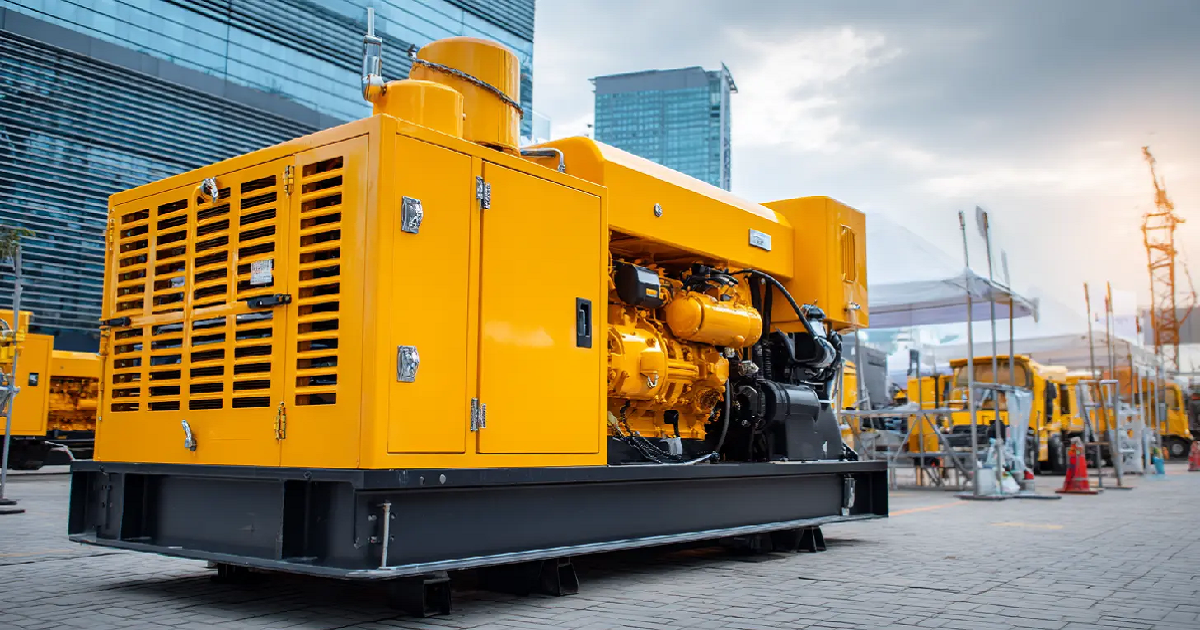
Picture a textile unit in Faisalabad at 2 p.m. in peak summer. Looms are running, orders are due, and then the grid trips. Within seconds, thousands of rupees of production hang on one question: how efficiently does your backup power run? For many plant owners, diesel generators in Pakistan are not a luxury but a lifeline. The smart ones have stopped treating fuel as an unavoidable expense and started managing it like any other cost centre. Some are cutting their diesel bills by nearly 30%.
Here is how they do it.
Why Diesel Generators in Pakistan Remain Essential for Industry
Load shedding, voltage fluctuations, and unplanned outages hit Faisalabad, Lahore, Sialkot, Gujranwala, and Karachi alike. Even industrial feeders see interruptions, and a single hour of downtime can ruin a dyeing batch or halt a packaging line.
Diesel Generators in Pakistan remain the practical answer for three reasons:
- Instant response: They pick up load within seconds.
- Heavy-load capability: They handle motors, compressors, and furnaces better than most alternatives.
- Fuel availability: Diesel is accessible across the country, even in areas with unreliable gas supply.
The catch is cost. With diesel prices swinging with global oil rates and the rupee exchange rate, an inefficient generator quietly drains profit every month.
Where Factories Actually Lose Money on Fuel
Before cutting costs, you need to know where the leaks are. In most plants, fuel waste comes from a handful of repeat offenders.
Oversized or Undersized Units
A generator running at 25% load burns far more fuel per kilowatt-hour than one running at 70%. This is the most common mistake we see. Owners buy a bigger machine “just in case,” then pay for that caution every day.
Poor Maintenance
Clogged air filters, dirty injectors, and old lubricant force the engine to work harder. A neglected set can consume noticeably more diesel for the same output.
Fuel Theft and Poor Tracking
Without metering, small losses go unnoticed. A few litres a day adds up to a serious figure over a year.
Seven Proven Ways to Cut Diesel Costs
Factories achieving savings near 30% rarely rely on one trick. They combine several practical steps.
1. Right-Size Your Power Unit
Match the genset capacity to your actual load, ideally keeping it between 60% and 80% of rated output. A proper load study before purchase pays for itself quickly.
2. Install Automatic Transfer Switches and Synchronising Panels
If your plant runs multiple sets, synchronising panels let smaller units switch on only as demand rises. Instead of one large machine idling inefficiently, you run exactly what you need.
3. Follow a Strict Maintenance Schedule
Change filters and oil on time, check coolant, and inspect injectors regularly. Planned servicing is far cheaper than an emergency breakdown.
4. Use Fuel Monitoring Systems
Digital fuel sensors and flow meters show consumption per hour and per shift. Once staff know fuel is being tracked, wastage drops almost immediately.
5. Combine Diesel with Solar
Many Pakistani factories now pair rooftop solar with their backup power systems. Solar covers daytime load, and the generator steps in only when the sun or grid is unavailable. For a plant running mostly in daylight hours, the saving on diesel can be significant.
6. Improve Power Factor
A poor power factor increases the load on your genset. Capacitor banks are an inexpensive fix that reduces strain and fuel use.
7. Buy Quality Fuel from Reliable Suppliers
Contaminated or adulterated diesel damages injectors and cuts efficiency. Store it in clean, sealed tanks and filter it before use.
A Practical Example from the Factory Floor
Consider a mid-sized garment manufacturer running two 500 kVA units without any synchronisation. Both machines often ran at low load, burning fuel inefficiently. After an energy audit, the owner installed a synchronising panel, serviced both engines, added fuel monitoring, and connected a solar array for daytime operations.
Within a few months, monthly diesel consumption fell by roughly 30%, while uptime improved. The investment recovered its cost in under a year. Results vary by plant, but the logic holds: control the load, track the fuel, and maintain the engine.
Choosing Diesel Generators in Pakistan: What Alpine Industrial Con Recommends
Buying a genset is a long-term commitment, so the decision deserves care. The team at Alpine Industrial Con advises factory owners to look beyond the price tag and consider these factors:
- Fuel consumption at 50%, 75%, and 100% load: Ask for actual data, not just brochure claims.
- Engine brand and parts availability: A cheap set becomes expensive if spare parts take weeks to arrive.
- Local after-sales service: Fast technician response matters during a breakdown.
- Noise and emission compliance: Environmental rules are tightening, and sound-attenuated canopies protect workers and neighbours.
- Future expansion: Choose a system that can be paralleled later as your plant grows.
Alpine Industrial Con also encourages a free-of-guesswork approach: conduct a load analysis first, then select the equipment. This single step prevents most over-spending.
Key Insights and Quick Tips
- Run generators at 60–80% load for the best fuel economy.
- Never ignore small oil leaks or unusual exhaust smoke.
- Log fuel use daily and review it weekly.
- Warm up and shut down engines properly to extend their life.
- Schedule heavy machinery in batches to avoid repeated low-load running.
- Train operators; a well-informed crew saves more than most gadgets.
- Review your setup annually, since your load profile changes as your business grows.
Energy costs will keep rising, and outages will not vanish overnight. But factory owners are not powerless. By right-sizing equipment, maintaining it properly, monitoring consumption, and adding solar where it makes sense, industries can run leaner and more reliably. A 30% reduction is achievable when strategy replaces guesswork. For any plant serious about protecting its margins, smarter management of diesel generators in Pakistan is one of the quickest wins available. Start with an energy audit, and let the numbers guide your next step. Partnering with an experienced provider such as Alpine Industrial Con can make that process smoother.
FAQs
- How much can a factory realistically save on diesel costs?
Savings depend on your current setup, but plants that fix sizing issues, improve maintenance, and add monitoring commonly report reductions of 20–30%.
- What is the ideal load for a standby power unit?
Aim for 60–80% of rated capacity. Running below 30–40% regularly causes inefficiency and engine wear.
- Is solar a good partner for diesel backup?
Yes. A hybrid setup lets solar handle daytime demand while the genset covers nights and outages, reducing fuel use considerably.
- How often should an industrial genset be serviced?
Follow the manufacturer’s schedule, typically every 250 running hours for basic servicing, with a full inspection annually.
- How do I know what capacity my factory needs?
Have a qualified engineer perform a load study covering motors, lighting, HVAC, and future expansion. Companies like Alpine Industrial Con can guide this step.