Subtotal $0.00

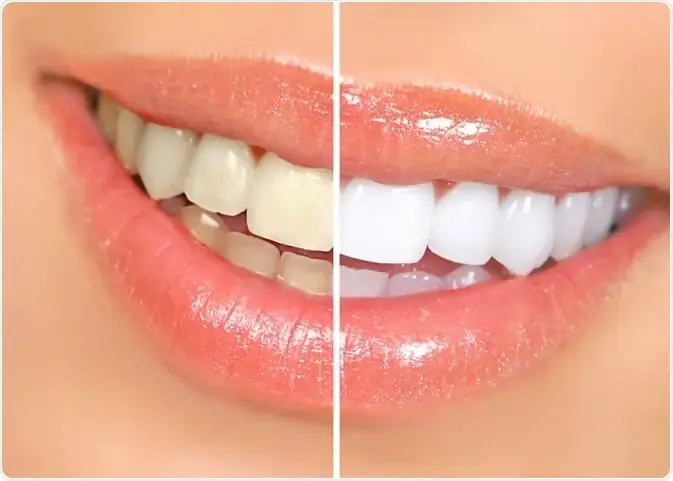
Choosing the right dental clinic is an important part of maintaining healthy teeth and gums at every stage of life. Children may need help developing good brushing habits, teenagers may require orthodontic guidance, while adults often seek preventive care, restorative treatments, or solutions for ongoing dental concerns. A family-friendly approach can make dental visits more comfortable while helping each person receive care suited to their individual needs.
A good dental experience is not simply about treating a tooth when something hurts. It involves regular examinations, preventive care, patient education, and timely treatment when a concern is identified. With personalized attention, families can build healthier oral health routines and feel more confident about seeking dental care when they need it.
What Does Personalized Dental Care Mean?
Personalized dental care means that treatment is planned around an individual’s oral health needs, age, concerns, medical history, lifestyle, and preferences. Instead of following exactly the same approach for every patient, a dentist evaluates the person’s specific situation before recommending appropriate care.
For families, this can be especially helpful because each member may have different dental priorities. A child, for example, may need preventive guidance, while an adult may need treatment for tooth sensitivity, decay, missing teeth, or gum problems.
A personalized approach may include:
- Comprehensive dental examinations
- Professional teeth cleaning
- Cavity prevention and treatment
- Gum health assessment
- Restorative dental care
- Guidance on brushing and flossing
- Advice for children’s oral health
- Monitoring changes in dental health over time
The goal is to address current concerns while supporting long-term oral health.
Why Families Benefit From Regular Dental Care
Regular dental visits can help identify oral health problems before they become more complicated. Some dental conditions may develop without causing noticeable discomfort in their early stages. Routine examinations allow a dental professional to look for signs of tooth decay, gum disease, enamel wear, bite-related concerns, and other changes.
For families, regular care can also establish a consistent routine. Children who become familiar with dental visits from an early age may develop a more positive attitude toward oral health.
Preventive Care Can Make a Difference
Preventive dentistry focuses on reducing the risk of dental problems rather than waiting for symptoms to appear.
A preventive dental routine may include:
- Brushing teeth twice a day with fluoride toothpaste.
- Cleaning between teeth regularly using floss or another suitable interdental method.
- Limiting frequent consumption of sugary foods and drinks.
- Having regular dental check-ups based on professional recommendations.
- Addressing persistent dental symptoms rather than ignoring them.
These everyday habits work alongside professional dental care to support healthy teeth and gums.
Dental Care for Children
Children’s dental needs change as they grow. Primary teeth play an important role in eating, speaking, and maintaining space for permanent teeth. Developing healthy habits early can therefore support oral health as children become older.
Parents can help children by making brushing part of their daily routine and encouraging them to understand why dental care matters. Regular dental visits can also help children become comfortable with the dental environment.
A child-friendly dental appointment may involve checking:
- Tooth development
- Signs of cavities
- Gum health
- Oral hygiene habits
- Bite and alignment
- Dietary factors affecting oral health
Parents should also speak with a dentist if a child experiences tooth pain, swelling, persistent sensitivity, difficulty chewing, or other unusual symptoms.
Dental Care for Teenagers and Adults
Teenagers may experience changes in oral hygiene needs as they become more independent. Changes in diet, orthodontic treatment, sports activities, and inconsistent brushing can all influence dental health.
Adults may have different concerns, including tooth decay, gum health, worn teeth, sensitivity, missing teeth, or changes in the appearance of their smile. A personalized dental assessment helps determine which concerns require attention and which preventive measures can be useful.
For adults, maintaining regular check-ups is particularly important because oral health can change over time. A dentist can recommend an appropriate examination and cleaning schedule based on individual needs.
How a Dental Clinic Can Create a Comfortable Patient Experience
Dental anxiety is common, and some people postpone appointments because they are worried about discomfort or treatment. Clear communication can make the experience easier.
A patient-centered dental clinic should give patients an opportunity to explain their concerns and understand what is being recommended. Discussing the reason for an examination or procedure can help patients make informed decisions about their care.
Patients may find it helpful to:
- Explain previous negative dental experiences.
- Tell the dental team about any specific concerns.
- Ask questions before agreeing to a procedure.
- Discuss treatment alternatives when appropriate.
- Follow the recommended aftercare instructions.
Good communication is an important part of building trust between a patient and dental professional.
When Should You Visit a Dental Clinic?
You should arrange a dental appointment if you experience persistent tooth pain, swelling, bleeding gums, sensitivity, broken teeth, or other changes that concern you. Even without symptoms, routine dental examinations are useful because some oral health problems may not cause obvious discomfort initially.
Urgent dental assessment may be particularly important when there is significant swelling, severe pain, dental trauma, or signs of infection.
Rather than relying only on pain as a signal, families can benefit from making preventive dental care part of their regular healthcare routine.
Choosing the Right Dental Clinic for Your Family
Families often look for a dental practice that can provide attentive care while addressing different age groups and individual concerns. When considering a dental clinic, it can be useful to look at several factors.
Consider the Range of Dental Services
A family may have different needs over the years. Understanding what types of preventive, restorative, and general dental services are available can make ongoing care more convenient.
Look for Clear Communication
A good dental experience involves more than treatment. Patients should be able to understand their dental concerns, available options, expected outcomes, and recommended follow-up.
Consider Individualized Treatment Planning
Every patient has a different oral health history. Personalized assessment can help ensure that recommendations are relevant to the person’s actual needs rather than based on a one-size-fits-all approach.
Prioritize Preventive Education
A dental team that explains practical oral hygiene habits can help patients take a more active role in maintaining their dental health between appointments.
Personalized Dentistry With Dr. Swati Thongire
For families seeking attentive dental care, working with a dental professional who focuses on individual patient needs can make routine dental care more approachable. Dr. Swati Thongire takes a patient-focused approach to dental care, with attention to each patient’s concerns and oral health requirements.
Whether the goal is maintaining healthy teeth, addressing an existing concern, or understanding better preventive habits, patients can discuss their needs during a professional dental assessment. Treatment recommendations should always be based on an individual’s clinical condition and discussed with a qualified dental professional.
Frequently Asked Questions
How often should a person visit a dental clinic?
The appropriate frequency depends on an individual’s oral health, risk factors, and dental history. Many people have regular check-ups, while those with specific dental concerns may need more frequent monitoring. A dentist can recommend a suitable schedule after evaluating your oral health.
At what age should children start visiting a dentist?
Children should begin receiving dental care early in childhood. An early dental visit allows parents to receive guidance about oral hygiene, diet, tooth development, and preventive care. Your dentist can advise you on an appropriate schedule as your child grows.
What should I do if my tooth hurts?
Persistent tooth pain should not be ignored. Contact a dental professional for an evaluation so the underlying cause can be identified. Avoid attempting to diagnose or treat the problem yourself, particularly if pain is accompanied by swelling or other concerning symptoms.
Is professional dental cleaning necessary if I brush every day?
Yes. Daily brushing and cleaning between teeth are essential, but professional dental care provides an opportunity to assess oral health and remove deposits that regular home care may not fully eliminate. Your dentist can also identify areas where your oral hygiene routine may need improvement.
How can I make dental visits easier for my child?
Use positive, simple language when discussing dental visits and avoid creating unnecessary fear around treatment. Encourage regular brushing at home and help your child become familiar with dental appointments from an early age. Sharing any concerns about your child’s anxiety with the dental team can also help them plan a more comfortable visit.
Conclusion
Personalized dental care can help families approach oral health as a long-term part of everyday wellbeing rather than something to address only when pain develops. Regular examinations, preventive habits, appropriate treatment, and clear communication can support healthier smiles across different stages of life. For patients looking for individualized dental guidance, Dr. Swati Thongire can help assess their oral health needs and discuss suitable dental care options based on their individual circumstances.