Subtotal $0.00

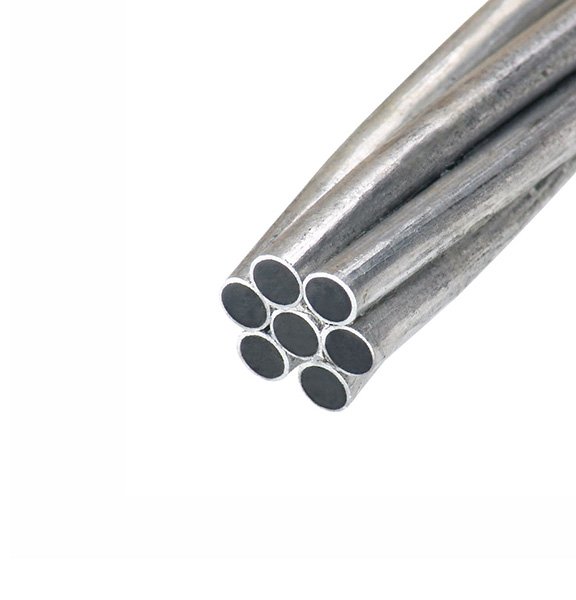
Aluminul clad steel wire is an important material for modern electrical infrastructure, offering a practical combination of electrical conductivity, mechanical strength, and corrosion resistance. For power transmission projects, grounding systems, and overhead line applications, selecting a dependable wire helps improve long-term performance and operational reliability. HBNfpower provides conductor solutions designed to support the evolving needs of electrical utilities, infrastructure developers, and industrial projects.
Understanding Aluminul Clad Steel Wire
Aluminul clad steel wire, commonly referred to as aluminum-clad steel wire, consists of a steel core covered with an aluminum layer. This composite structure combines the mechanical strength of steel with the protective and conductive properties of aluminum. The result is a versatile wire suitable for applications where durability, strength, and resistance to environmental exposure are important.
Unlike conventional steel wire, aluminum-clad steel wire features a protective aluminum surface that can help reduce corrosion under suitable operating conditions. Its construction makes it a valuable option for overhead electrical systems and other installations exposed to changing weather conditions.
HBNfpower focuses on electrical conductor products that support practical engineering requirements, helping buyers explore suitable materials for different infrastructure applications.
Key Benefits of Aluminum-Clad Steel Wire
Excellent Mechanical Strength
The steel core provides the tensile strength needed for demanding installations. This characteristic makes aluminum-clad steel wire suitable for applications requiring dependable mechanical support and resistance to pulling forces. In overhead line systems, mechanical strength is particularly important for maintaining conductor stability across long spans and under varying environmental loads.
Corrosion Resistance
The aluminum cladding provides a protective surface that helps improve resistance to atmospheric corrosion compared with unprotected steel. This feature is valuable for installations exposed to moisture, temperature fluctuations, and outdoor environmental conditions. Appropriate material selection and installation practices can further support long-term service performance.
Electrical Performance
Aluminum-clad steel wire offers useful electrical properties for selected transmission, grounding, and shielding applications. Its suitability depends on the required conductivity, resistance, mechanical loading, and applicable engineering standards. Project designers should evaluate these factors carefully to ensure the selected wire meets the intended electrical and operational requirements.
Long-Term Value
Durability and reduced exposure to corrosion-related deterioration can contribute to the overall value of an electrical installation. By selecting materials according to project specifications, purchasers can support dependable operation and manage maintenance requirements throughout the service life of their infrastructure.
Applications Across Electrical Infrastructure
Aluminum-clad steel wire serves a range of applications across the power and telecommunications sectors. It may be used in overhead ground wires, grounding systems, shielding applications, and selected conductor assemblies where mechanical strength and corrosion protection are required.
In electrical transmission networks, overhead ground wires help protect lines and associated equipment by providing a path for lightning currents when properly designed and installed. Aluminum-clad steel wire can be considered for these applications when its electrical and mechanical characteristics satisfy the project’s requirements.
The material may also be suitable for certain industrial grounding installations and infrastructure projects where environmental exposure makes corrosion resistance an important consideration. Engineers should always verify compatibility with system design, installation conditions, and relevant industry standards.
Why Consider HBNfpower for Conductor Solutions?
Choosing an electrical conductor supplier involves more than comparing material prices. Product consistency, technical specifications, manufacturing capabilities, and communication are all important considerations when planning infrastructure projects.
HBNfpower serves the power cable and conductor market with products intended for different electrical applications. Buyers can evaluate its aluminum-clad steel wire solutions according to their project requirements, including wire dimensions, mechanical properties, electrical characteristics, and applicable standards.
For contractors, distributors, utilities, and engineering companies, working with a supplier that understands conductor applications can help simplify product evaluation and procurement planning. Clear technical documentation and specification matching are essential for making informed purchasing decisions.
How to Select the Right Aluminum-Clad Steel Wire
Before purchasing aluminum-clad steel wire, consider the intended application, required tensile strength, wire diameter, aluminum cladding characteristics, electrical resistance, and environmental conditions. It is also important to confirm compliance with the applicable project specifications and industry standards.
For overhead grounding and shielding applications, engineers should assess fault-current requirements, mechanical loading, expected service conditions, and installation compatibility. Comparing technical data from qualified suppliers can help ensure the selected product meets the project’s performance expectations.
Conclusion
Aluminul clad steel wire is a valuable material for electrical infrastructure that requires a balance of mechanical strength, corrosion protection, and suitable electrical performance. Its versatility makes it relevant to overhead grounding, shielding, and other specialized conductor applications.
With its focus on power cables and conductor products, HBNfpower offers buyers an option to explore when evaluating materials for demanding electrical projects. Selecting the right specification and confirming technical requirements can help support safe installation, dependable operation, and lasting infrastructure value.