Subtotal $0.00

Healthy skin requires proper care, suitable treatments, and attention to individual skin concerns. Choosing a Psoriasis Treatment Clinic can help people understand their skin condition and explore appropriate treatment options with qualified professionals. Skin concerns can vary from person to person, so a personalized approach is important. Learning about available services, treatment methods, and professional care can help you make informed decisions about your skin health.
Understanding Common Skin Concerns
Skin concerns can affect people of different ages and skin types. Some people experience dryness, redness, irritation, or uneven skin tone, while others may develop persistent conditions that require medical attention. Environmental factors, genetics, lifestyle habits, and certain health conditions can influence the appearance and condition of the skin. Identifying the cause of a concern is an important first step toward appropriate care.
Some skin problems improve with a suitable daily routine, while others need professional assessment. Using the wrong products may worsen irritation or delay improvement. A qualified professional can evaluate the symptoms and recommend suitable next steps. Early assessment is especially helpful when symptoms are persistent, painful, spreading, or difficult to manage.
Understanding Psoriasis and Its Treatment Options
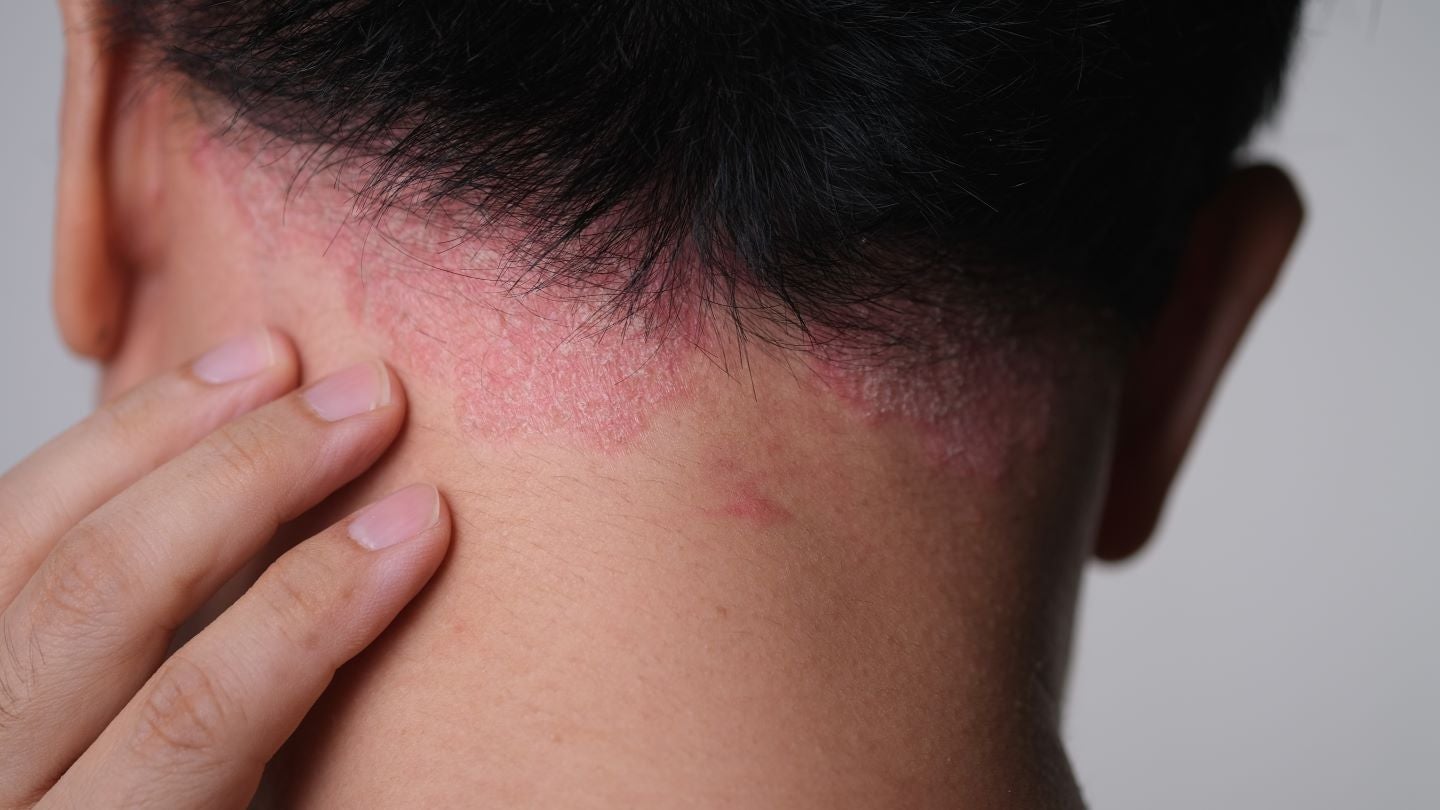
Psoriasis is a chronic inflammatory skin condition that can cause raised, red patches covered with scales. It commonly affects areas such as the elbows, knees, scalp, and lower back, although it can appear elsewhere. Symptoms may include itching, dryness, discomfort, and periods of flare-ups. The severity can vary, and the condition may change over time.
Treatment depends on the type of psoriasis, the affected areas, and the severity of symptoms. Medical options may include moisturizers, prescription topical treatments, phototherapy, or systemic medicines when appropriate. A healthcare professional can assess the condition and discuss the potential benefits and risks of each option. Consistent follow-up may be needed to monitor progress and adjust the treatment plan.
It is also important to understand that psoriasis is not contagious. The condition cannot spread through ordinary physical contact. Stress, infections, skin injuries, and certain medicines may trigger flare-ups in some people. Recognizing individual triggers and following professional advice can help support long-term management.
The Importance of Professional Skin Assessment
A professional skin assessment helps identify the nature of a skin concern before treatment begins. Different conditions can sometimes produce similar symptoms, so a careful evaluation is important. A qualified clinician may ask about medical history, current products, previous treatments, and the duration of symptoms. These details help guide decisions about appropriate care.
An assessment can also help determine whether a concern needs medical treatment or a cosmetic procedure. For example, persistent scaling and inflammation may require evaluation by a dermatologist rather than a cosmetic facial. Pigmentation and texture concerns may be suitable for cosmetic consultation after relevant medical issues have been considered. Choosing the correct approach can reduce the risk of irritation and unnecessary procedures.
Patients should feel comfortable asking questions during a consultation. They can discuss expected results, possible side effects, recovery time, and the number of sessions that may be needed. Clear information makes it easier to compare treatment options. It also helps establish realistic expectations before starting a treatment plan.
Exploring Advanced Skin Treatment Options
Modern skin care offers several treatment options for different concerns. Depending on the individual’s needs, these may include professional exfoliation, treatments for uneven skin tone, procedures for selected acne scars, or other non-surgical cosmetic services. The suitability of each option depends on skin type, medical history, and the condition being treated. A thorough consultation should come before any procedure.
Advanced Skin Treatments may use specialized equipment, carefully selected products, or controlled procedures to address specific cosmetic concerns. Some treatments focus on skin texture, while others aim to improve the appearance of fine lines or uneven pigmentation. Results vary according to the procedure and the individual’s skin condition. A qualified provider should explain the evidence, limitations, and potential risks associated with each treatment.
Not every treatment is suitable for every person. Sensitive skin, active inflammation, certain medications, and existing medical conditions may affect which procedures are appropriate. Some treatments can cause temporary redness, dryness, swelling, or changes in pigmentation. A professional assessment helps determine whether a treatment is suitable and whether additional precautions are necessary.
Skin Rejuvenation for a Fresh Appearance
Skin rejuvenation generally refers to cosmetic procedures designed to improve the appearance or texture of the skin. Depending on the service, the goal may be to address dullness, uneven tone, fine lines, or selected signs of sun damage. Options can include professional facials, superficial peels, and other procedures selected according to individual needs. The expected outcome depends on the treatment used and the condition of the skin.
Before choosing a rejuvenation procedure, discuss your goals with a qualified provider. Ask how the treatment works, what results are realistic, and whether you will need time to recover. It is also useful to understand how many sessions may be recommended. These details can help you select a service that fits your needs and schedule.
Daily skin care remains important after cosmetic treatments. Gentle cleansing, suitable moisturizers, and broad-spectrum sunscreen can help protect the skin. Some procedures require temporary restrictions on exfoliating products or direct sun exposure. Following aftercare instructions supports recovery and may help maintain results.
Building a Suitable Daily Skin Care Routine
A consistent skin care routine can support the skin’s natural protective barrier. The right routine does not need to include many products. A gentle cleanser, an appropriate moisturizer, and sunscreen are useful starting points for many people. Additional products should be selected according to specific concerns and individual tolerance.
People with sensitive or inflamed skin should introduce new products carefully. Fragrances, harsh exfoliants, and strong active ingredients may cause irritation in some individuals. Patch testing can help identify potential reactions, although it cannot guarantee that a product will be tolerated. If a product causes significant burning, swelling, or persistent redness, discontinue use and seek professional advice.
Lifestyle habits can also affect skin health. Adequate sleep, a balanced diet, and avoiding smoking can support general well-being. Drinking enough water helps maintain normal body function, although drinking extra water alone will not treat a skin condition. A balanced approach combines appropriate daily care with professional guidance when necessary.
How to Choose the Right Skin Care Clinic?
Choosing a skin care clinic requires more than comparing prices or promotional offers. Look for qualified professionals, clear consultation procedures, and services that match your particular needs. For medical skin conditions, check that diagnosis and treatment are provided by appropriately qualified healthcare professionals. Cosmetic procedures should also be performed by trained practitioners who understand the relevant risks.
A good clinic should explain the proposed treatment before asking you to proceed. Ask about the provider’s qualifications, hygiene practices, equipment, possible side effects, and aftercare arrangements. You should also receive clear information about fees and any additional sessions that may be recommended. Avoid providers who promise guaranteed results or pressure you into purchasing multiple procedures.
Reviews and previous client experiences can provide useful context, but they should not replace professional qualifications or a personal consultation. Every person’s skin responds differently to treatment. The most suitable clinic is one that takes time to understand your concerns and provides clear, realistic guidance. Good communication is an important part of a positive treatment experience.
The Role of a Skin Rejuvenation Clinic
A specialized cosmetic clinic can help clients explore services for concerns such as uneven skin tone, dullness, and changes in skin texture. The appropriate service depends on the client’s goals and the condition of their skin. A consultation allows the provider to review relevant factors before recommending a procedure. This can help prevent unsuitable treatments and improve the overall care experience.
When considering a Skin Rejuvenation Clinic, ask whether the provider offers an individualized assessment and explains the limitations of each service. Discuss your skin sensitivity, current products, medications, and any ongoing skin conditions before undergoing a cosmetic procedure. Active inflammation or an undiagnosed rash may require medical assessment before cosmetic treatment. Choosing a clinic that prioritizes safety and realistic expectations is essential.
Maintaining Results After Professional Treatment
Aftercare plays an important role in maintaining healthy-looking skin. Follow the instructions provided by your clinician or cosmetic practitioner, especially if the procedure involves exfoliation, lasers, or other skin resurfacing methods. Avoid introducing several new products immediately after treatment unless advised otherwise. This can reduce the chance of irritation and make it easier to identify any unwanted reactions.
Sun protection is particularly important after many cosmetic procedures. Use a suitable broad-spectrum sunscreen and follow any additional advice about sun exposure. Keep the skin moisturized when recommended, and avoid picking at peeling or irritated areas. Contact your provider if you experience unexpected or persistent symptoms after a procedure.
Long-term care also means understanding when professional follow-up is needed. Some cosmetic results require maintenance sessions, while medical skin conditions may need ongoing monitoring. Keep track of changes in your skin and discuss any concerns during follow-up appointments. A consistent approach can help you make informed decisions about future treatments.
Conclusion
Finding suitable skin care services starts with understanding your concerns and choosing treatments that match your needs. Professional assessment, realistic expectations, appropriate aftercare, and consistent daily skin care all contribute to a safer and more effective experience. Whether you are exploring medical care for a persistent skin condition or cosmetic options for skin texture and appearance, qualified guidance is essential.
For people seeking skin care services in Kohinoor City, Faisalabad, and the surrounding areas, London Aesthetics is an option to consider when exploring available treatments. Discuss your concerns, ask about practitioner qualifications, and confirm which services are appropriate for your skin before booking. Choosing care based on your individual needs and safety can help you make better-informed decisions about your skin health.