Subtotal $0.00

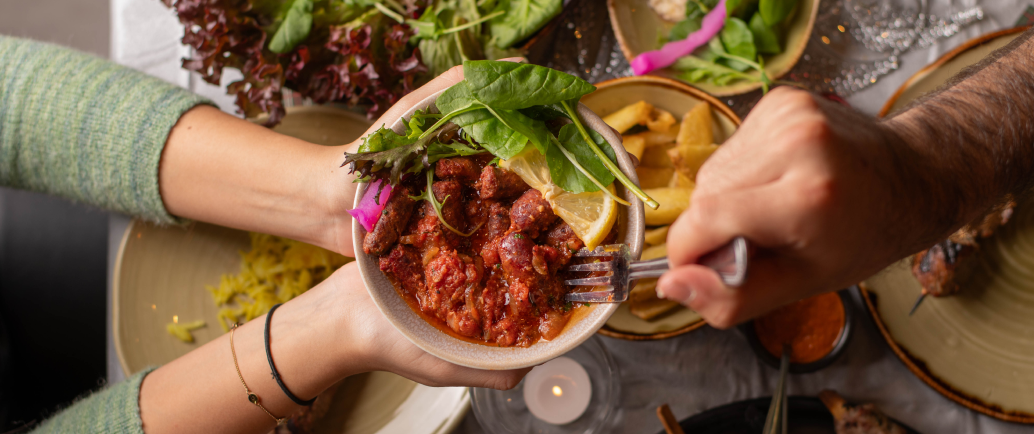
September has a way of slowing things down just enough for us to notice what is on our plates. While everyone else is getting swept up in autumn prep, Organic September is the perfect excuse to celebrate food in its purest, most vibrant state.
And if there’s one cuisine on the planet that knows how to let raw, sun-ripened, organic produce shine without hiding behind heavy sauces, it’s Lebanese.
Give a Lebanese cook ripe tomatoes, fresh herbs, good olive oil, lemon and garlic, and they are already halfway to a brilliant meal. There is no mile-long ingredient list and no heavy sauce to hide behind. Any good Lebanese recipe starts with produce that deserves to be tasted, then adds a little care and, often, a little fire.
Here is how simple, seasonal ingredients shape the best Lebanese dishes, from the first dip to the last skewer.
Fresh Mezze: Simple Ingredients, Big Flavour
A Lebanese meal rarely begins with one big plate. It begins with a spread. Warm bread, colourful dishes and a table full of hands reaching in, which is exactly what traditional Lebanese mezze dishes are built for.
Most of them start with ingredients you probably already know, and you will spot them on almost any Lebanese menu:
- Hummus blends chickpeas, tahini, lemon and garlic into something creamy, finished with a good drizzle of olive oil.
- Baba Ghanouj, where aubergine gets charred directly over an open flame until the skin blisters and the flesh turns soft and smoky. Mix that with tahini, fresh lemon, and a sprinkle of pomegranate seeds, and you’ve got a masterclass in how fire and simple produce create magic.
- Tabbouleh isn’t a bowl of bulgur with a little parsley tossed in. It’s a sea of finely chopped fresh flat-leaf parsley, mint, red tomatoes, and spring onions, lightly bound by fine bulgur, lemon juice, and olive oil. It’s zesty, crisp, and clean. Every bite feels like a reset button for your palate.
- Fattoush brings crisp vegetables, herbs and toasted bread together with a sharp, tangy dressing.
The trick is freshness. When tomatoes are juicy, herbs are fragrant, and lemons are properly sharp, you do not need much else. That is one reason authentic Lebanese recipes continue to feel fresh and relevant. They let good ingredients do the hard work.
Classic Home-Cooked Mains Built on Everyday Ingredients
Restaurants get the attention, but a lot of the best Lebanese cooking happens at home. These are dishes made slowly and without fuss, where vegetables, pulses, grains and herbs cook together until the flavours settle in.
Classic Lebanese main courses tend to share that comforting, family-table feel:
- Kibbeh turns bulgur, meat, onions and spices into one of Lebanon’s best-loved dishes, with different styles depending on the chef’s cooking style and recipe.
- Stuffed vegetables and vine leaves, such as courgettes, aubergines and peppers, are filled with rice, herbs and sometimes meat, then simmered until tender.
- Musakaa bakes aubergine, peppers and chickpeas in a rich tomato sauce, then finishes it with melted cheese. It is hearty, generous and made for sharing, whether at a family table or a private dining get-together.
None of these Lebanese delicacies needs twenty ingredients to make an impression. They just need good produce, traditional recipes, and a bit of attention, which is also what makes them so easy to cook at home.
Lebanese Grills: A Little Fire, a Lot of Flavour
Then comes the part that makes everyone stop talking for a second. The sizzle, the smell of charcoal and the charred edges forming on the meat.
When people ask what makes Lebanese grill recipes so incredibly tasty, they often expect a secret sauce or a complicated culinary trick. The real secret? High-quality meat, fresh herbs, citrus, and patience.
Here are a few Lebanese grill favourites that keep things simple while letting the ingredients shine:
- Shish Taouk is chicken marinated in lemon, garlic and olive oil, then skewered and grilled until juicy inside with lightly charred edges. It is tender and fresh, and it tastes even better tucked into warm bread with a spoonful of hummus.
- Kafta mixes minced meat with finely chopped onions, fresh herbs and spices, then shapes it onto skewers. On the grill, it turns juicy and well seasoned, with a smoky crust that needs nothing more than a squeeze of lemon.
- Lamb cutlets need little more than seasoning and a hot grill. The heat does the work, giving you crisp, browned edges and tender meat that tastes of the fire rather than a heavy sauce.
The charcoal grill does more than cook the meat. Its high heat locks in the juices, while the coal smoke adds depth and lightly charred edges. It is a simple way to bring bold flavours to the table, making Lebanese food catering a great choice for group events. Add a squeeze of lemon, some fresh herbs, vegetables and a spoonful of Hummus, and the plate feels complete.
Healthy Does Not Have to Mean Boring
Sometimes the word “healthy” makes food sound like it is about to apologise for being tasty. Lebanese food does not have that problem.
A typical table brings vegetables, pulses, grains, herbs, olive oil and quality proteins together in a way that feels naturally balanced. You get creamy next to crunchy, smoky next to fresh and warm next to cool. Every bite has somewhere to go.
It also moves with the seasons. Summer tables fill up with tomatoes, cucumber, herbs and fresh salads. Cooler months bring lentil dishes, roasted vegetables and slow-cooked comfort food. That flexibility is a big part of why the cuisine never needs to chase food trends.
It is also where Organic September fits in nicely. The point is not to make food complicated. It is to pay attention to what is on the plate. Where did it come from? Is it fresh? Can you actually taste it?
With Lebanese cooking, the answer is usually there in the first bite.
A Simple Lebanese Recipe for Organic September
Lebanese cooking is less about any single ingredient and more about what happens when a few good ones meet. A spoonful of Hummus on warm bread, a sharp bite of Tabbouleh, smoky aubergine, grilled chicken with lemon and a bubbling dish of musakaa. That is what the best Lebanese dishes do, turning simple things into something you want to share.
Whether you cook it at home or let someone else handle the grill, September is a good time to try it. If you would rather leave the cooking to the experts, an authentic Lebanese restaurant is the easiest way to taste all of this in one sitting. Start with good ingredients, add a little care, bring people around the table and let the food do the talking.
Craving fresh, simple Lebanese food this Organic September? Book a table, pass the hummus, and taste the difference for yourself.