Subtotal $0.00

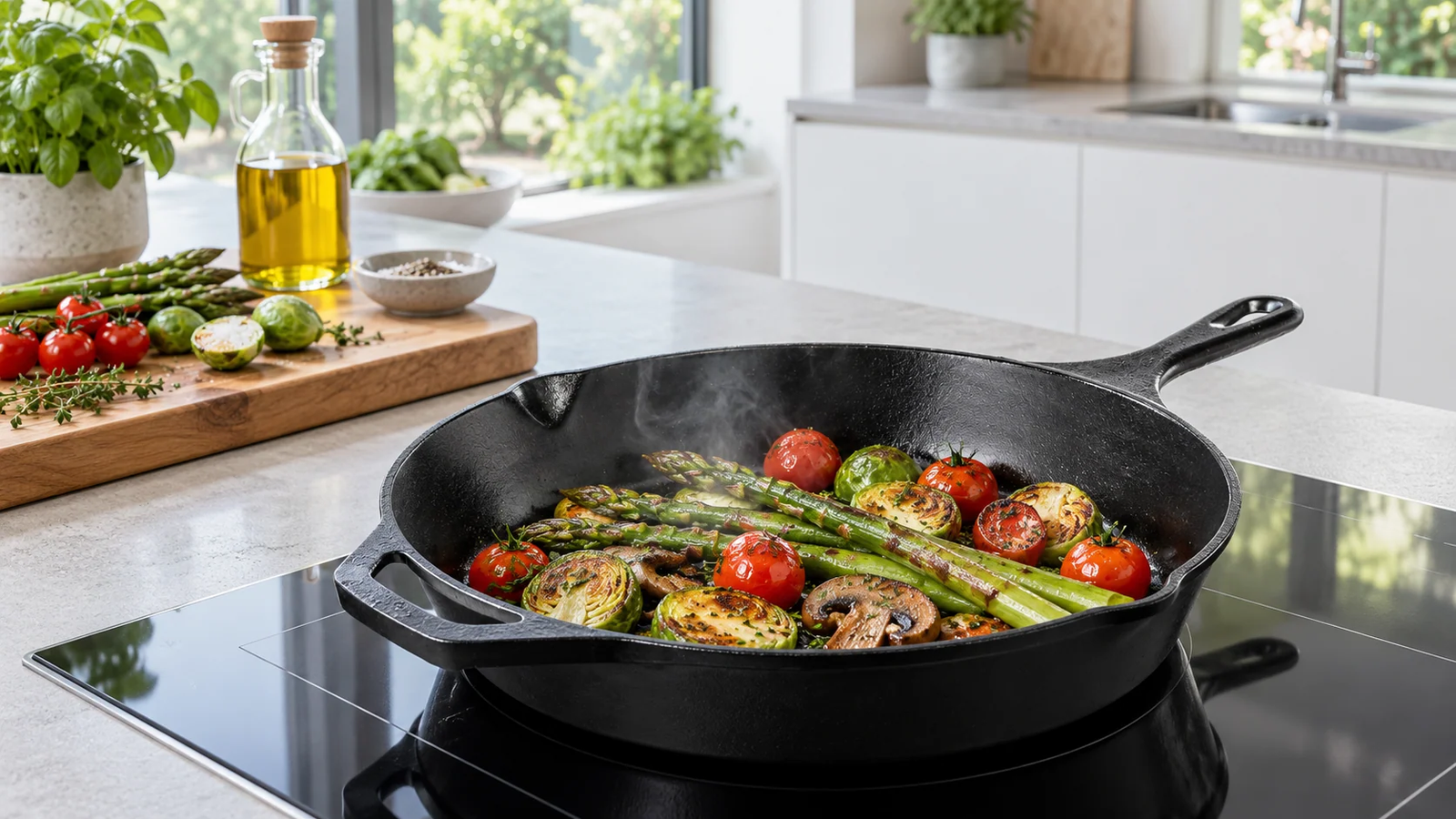
Cast iron cookware has been a popular choice for home cooks for generations because of its durability, heat retention, and versatility. From frying eggs and searing steaks to preparing slow-cooked meals, cast iron pans can handle a wide range of cooking tasks. However, premium cookware can be expensive, leading many shoppers to ask an important question. Is cheap cast iron cookware worth buying, or does a lower price mean sacrificing quality?
The good news is that affordable cast iron cookware can offer excellent performance when you choose the right product. You do not always need to spend a fortune to enjoy the benefits of cast iron cooking. Understanding the differences in design, seasoning, construction, and maintenance can help you make a smart purchasing decision.
In this guide, we will explore what to look for in budget-friendly cast iron cookware, the potential disadvantages of cheaper products, and how to choose cookware that delivers reliable performance for everyday meals.
What Is Cheap Cast Iron Cookware?
Cheap cast iron cookware refers to cast iron pans, skillets, Dutch ovens, and other cooking products sold at a lower price than premium alternatives. These products are often designed to provide the essential benefits of cast iron without additional features, decorative finishes, or expensive branding.
Most traditional cast iron cookware is made by pouring molten iron into a mould. Once cooled and finished, the cookware becomes a durable cooking surface that can retain heat effectively. This construction method makes cast iron a practical option for both budget-conscious households and experienced cooks.
Lower-priced cookware may have a simpler design, less polished finishing, or fewer accessories. However, these differences do not automatically mean that the product will perform poorly. A basic cast iron skillet can still deliver excellent results when it is manufactured properly and maintained correctly.
The key is to evaluate the quality of the individual product rather than assuming that the cheapest option is always the best deal.
Is Cheap Cast Iron Cookware Worth Buying?
Yes, cheap cast iron cookware can be worth buying if it is well-made, free from significant defects, and suitable for your cooking needs. Cast iron is naturally durable, and a straightforward design can provide many years of use without requiring premium features.
One of the biggest advantages of budget-friendly cast iron is its heat retention. Once the pan becomes hot, it can maintain its temperature effectively, making it useful for searing meat, frying vegetables, browning potatoes, and preparing other foods that benefit from consistent heat.
Another benefit is versatility. Depending on the manufacturer’s instructions, a cast iron skillet may be suitable for stovetops, ovens, grills, and outdoor cooking. This flexibility allows one piece of cookware to serve multiple purposes.
Affordable cast iron cookware can also be a practical investment for beginners who want to explore cast iron cooking without spending heavily at the beginning. Instead of purchasing an expensive collection, you can start with one skillet and gradually add other pieces when needed.
However, price alone does not guarantee value. A poorly manufactured pan with cracks, severe warping, or an unstable base may create problems regardless of how inexpensive it is. Always inspect product specifications, construction quality, and seller information before purchasing.
What to Check Before Buying Budget Cast Iron Cookware
Choosing the right cookware requires more than comparing prices. A few essential checks can help you identify a product that offers dependable performance.
1. Check the Overall Build Quality
A good cast iron pan should feel solid and have no visible cracks, serious casting defects, or damaged areas. If you are shopping in person, inspect the cooking surface, handle, and base carefully.
The base should sit securely on a flat surface without excessive rocking. Significant warping can affect contact with the heat source and make cooking less consistent, particularly on flat electric or induction cooktops.
If you are buying online, examine product photographs, specifications, and customer reviews. Look for repeated comments about uneven bases, damaged deliveries, or manufacturing problems rather than relying on a single review.
2. Understand Pre-Seasoning
Many cast iron pans come pre-seasoned, meaning the manufacturer has applied and heated a layer of cooking oil to create a protective surface. This coating helps protect the iron from rust and improves the cooking surface over time.
Pre-seasoned cookware is convenient because you can usually begin cooking after washing and drying it according to the manufacturer’s instructions. However, pre-seasoning does not make a pan completely non-stick under every condition.
Food release depends on several factors, including temperature control, cooking technique, the type of food, and the condition of the seasoning. Even an inexpensive skillet can develop a useful cooking surface with regular use and proper care.
Before buying, check whether the product is pre-seasoned or requires initial seasoning. This information helps you understand how much preparation will be necessary.
3. Consider Weight and Handle Design
Cast iron is naturally heavy, but the weight of cookware can vary according to its dimensions and construction. A heavier pan may retain heat well, but it can also be difficult to lift, move, or clean.
Check the handle design before choosing a skillet. A secure, comfortable handle can make everyday cooking easier, especially when transferring food or moving the pan between cooking surfaces.
Some products include a helper handle on the opposite side to improve control when lifting larger cookware. This feature can be particularly useful for heavier skillets and Dutch ovens.
Remember that cast iron handles become hot during cooking. Always use suitable oven mitts or heat-resistant handle covers.
4. Choose the Right Size
Buying the largest pan available is not always the most economical decision. A smaller skillet may be more practical for cooking eggs, preparing side dishes, or making meals for one or two people.
Medium-sized skillets are often versatile choices for everyday household cooking. Larger pans may be more suitable for family meals, batch cooking, or preparing several portions together.
Think about your available storage space, cooking habits, and the number of people you usually serve. Choosing the right size can prevent unnecessary spending and help you get more use from your cookware.
5. Review Compatibility and Care Instructions
Although many cast iron products are highly versatile, you should confirm that a particular pan is suitable for your intended heat source. Check compatibility with induction cooktops, ovens, grills, or other appliances before purchasing.
You should also review the manufacturer’s cleaning and maintenance recommendations. Traditional cast iron generally requires careful drying and occasional oiling to help prevent rust.
These simple checks can make the difference between a useful purchase and cookware that does not meet your needs.
Cheap Cast Iron vs Expensive Cast Iron
The main difference between budget and premium cast iron cookware is not necessarily cooking performance. Both can retain heat effectively and last for years when properly manufactured and maintained.
Premium products may offer smoother cooking surfaces, more refined finishing, additional accessories, distinctive designs, or more detailed quality control. Some also come from established brands with stronger customer support or more comprehensive warranties.
Budget cookware may have a rougher surface or a simpler appearance. Nevertheless, a rough surface does not automatically make a traditional cast iron pan unsuitable for cooking. Its practical performance depends on overall construction, seasoning, heat management, and maintenance.
For most everyday cooking tasks, a well-made budget skillet can provide the essential benefits of a more expensive model. Paying extra makes sense when the additional features genuinely improve your experience or when you specifically want a particular design, finish, or warranty.
How to Make Affordable Cast Iron Cookware Last Longer
Proper maintenance is essential if you want to get long-term value from your purchase. Fortunately, caring for cast iron is relatively straightforward once you understand the basics.
First, clean the pan after use. Warm water and a suitable brush or sponge are generally sufficient for routine cleaning. Mild dish soap can also be used when needed. Avoid leaving the pan wet for extended periods because moisture can encourage rust.
Second, dry the cookware thoroughly. You can place it over low heat briefly to remove remaining moisture, then apply a very thin layer of cooking oil if appropriate for the product’s care instructions.
Third, avoid sudden temperature changes. Placing a very hot cast iron pan into cold water can cause thermal shock and may damage the cookware. Allow it to cool gradually before cleaning.
Finally, store the pan in a dry location. If stacking cookware, consider placing a protective layer between pieces to reduce scratches and allow airflow.
With regular care, affordable cast iron cookware can remain useful for many years. Consistent maintenance is often more important than purchasing the most expensive model available.
Common Mistakes to Avoid When Buying Cheap Cast Iron
One common mistake is choosing cookware based on price alone. A very low price may seem attractive, but it is important to check dimensions, material specifications, seller credibility, and return policies.
Another mistake is expecting cast iron to behave exactly like modern non-stick cookware. Cast iron requires appropriate preheating, temperature control, and cooking technique. Delicate foods may need more attention, particularly when the seasoning is new.
Some buyers also assume that all cast iron products are suitable for every appliance. Although many are versatile, handles, coatings, lids, and manufacturer restrictions can affect their suitability for certain cooking methods.
Finally, avoid purchasing more cookware than you need. Starting with one reliable skillet can be a sensible approach. You can expand your collection later if your cooking habits justify it.
Who Should Buy Affordable Cast Iron Cookware?
Affordable cast iron cookware is a suitable option for beginners, students setting up a kitchen, budget-conscious households, and home cooks who want durable cookware without premium pricing.
It can also appeal to people who enjoy preparing grilled vegetables, fried foods, seared meat, and oven-finished dishes. Its ability to retain heat makes it useful for many everyday recipes.
However, cast iron may not suit everyone. Its weight can be inconvenient for people who prefer lightweight pans, and it requires more maintenance than some coated cookware. If easy lifting and minimal upkeep are your main priorities, comparing different materials before buying may be worthwhile.
The best choice depends on your cooking style, available budget, storage space, and willingness to maintain the cookware.
Final Verdict on Cheap Cast Iron Cookware
Cheap cast iron cookware can be an excellent purchase when you focus on quality, practicality, and long-term value rather than price alone. A well-made skillet can provide reliable heat retention, versatility, and durability without requiring a premium investment.
Before buying, check the construction, seasoning, handle design, size, appliance compatibility, and maintenance requirements. Compare these factors alongside customer feedback and the seller’s return policy to make a more informed decision.
Ultimately, affordable cast iron cookware offers a practical way to enjoy traditional cast iron cooking without overspending. Choose a product that suits your needs, follow the recommended care instructions, and maintain it consistently. With the right approach, budget-friendly cookware can become a dependable part of your kitchen for years to come.