Subtotal $0.00

Summary
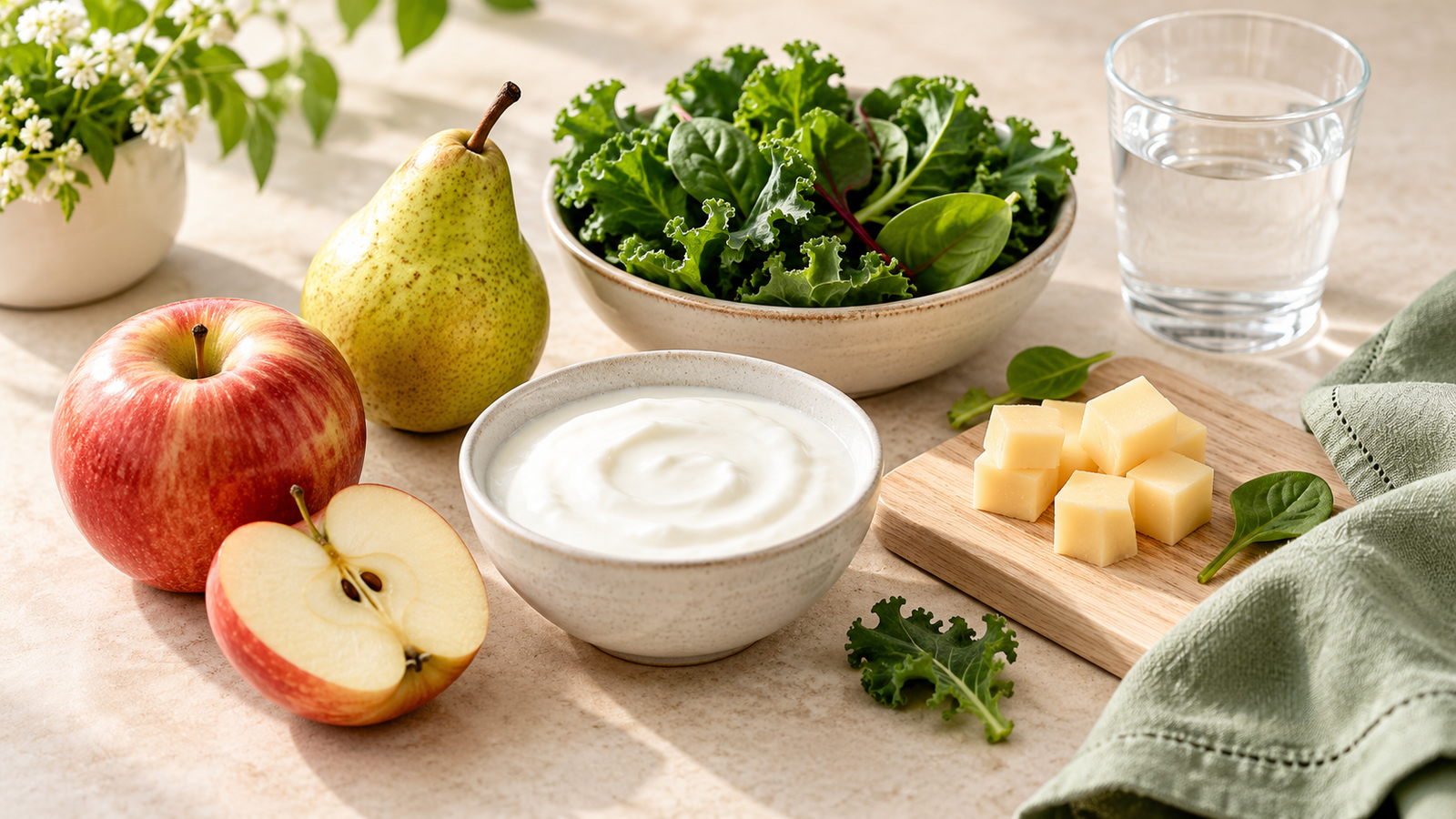
Nutrition for healthy teeth starts with everyday choices: balanced meals, fewer sugary drinks, and a routine that limits frequent sugar exposure. Whole fruit, vegetables, suitable dairy foods or fortified alternatives, and water can all have a place in that routine. Food choices work alongside brushing and dental care. They cannot repair an established cavity or replace treatment.
5 Key Takeaways
- Both the amount of sugar and how often you have it matter for teeth.
- Choose whole fruit more often than juice or smoothies.
- Build varied meals instead of relying on one food to protect your smile.
- Make water easy to reach and plan snacks around your family’s needs.
- Keep brushing and dental visits part of your routine, even when you eat well.
Why Your Eating Routine Matters to Your Smile
You may plan meals for energy, growth, or general health without thinking much about your teeth. Yet your mouth meets every snack and drink before the rest of your body does. Small habits, such as sipping a sweet drink for hours, can be easy to miss.
The answer is not to fear food or aim for a perfect diet. A practical routine should fit your budget, tastes, work hours, and family life. It should also be clear enough that everyone at home can follow it.
Start by noticing one ordinary day. What do you drink between meals? What goes into packed lunches? When do sweet snacks usually appear? These questions can reveal a useful first change without turning meals into a strict set of rules.
How Nutrition for Healthy Teeth Works
Bacteria in dental plaque use sugars from food and drinks to produce acids. Those acids can remove minerals from enamel, the hard outer layer of a tooth. Saliva and fluoride help protect teeth and replace lost minerals during the early stages of decay.
Frequent sugar exposure gives teeth repeated acid attacks. That is why a drink slowly sipped through the afternoon deserves attention, even if it seems like a small part of your daily food intake.
Once decay forms a cavity, changing your diet will not fill the hole. A dentist needs to assess it. Better eating habits can support prevention, but they are only one part of caring for your mouth.
Build Meals Around Variety
Include Different Food Groups
A balanced pattern includes vegetables, fruit, starchy foods such as wholegrains, protein foods, and suitable dairy foods or alternatives. This gives you a wider mix of nutrients than repeating a few foods marketed as good for teeth.
For example, a simple lunch could be a wholemeal sandwich with egg or beans, vegetables on the side, and water. Dinner might include rice, lentils, and cooked vegetables. These are meal ideas to adapt, not a personal diet plan.
Choose foods that suit any allergies, medical needs, or cultural preferences. If you are unsure how to meet your needs while avoiding certain foods, ask a registered dietitian rather than removing more food groups on your own.
Give Calcium Sources a Place
Calcium supports healthy bones and teeth. Milk, plain yoghurt, and cheese can provide it. Some plant-based alternatives are fortified with calcium, but products differ, so check the label.
When shopping, look beyond the picture on the carton. Compare similar products and check whether a plant-based option contains added calcium. Also look at added sweeteners when choosing yoghurt or drinks.
You do not need to buy a special dental snack range. Pick affordable foods you enjoy and can use across several meals. A plain yoghurt, for example, may work at breakfast or as part of a planned snack.
Look at Drinks as Well as Food
Make Water the Easy Choice
Keeping water close by is a simple practical step. Put a glass beside your lunch, carry a refillable bottle, or keep a jug on the table. It is often easier to change a habit when the preferred choice is already available.
If you usually sweeten tea or coffee, try reducing the amount gradually. Choose a change you can repeat rather than making a large change that feels hard to keep.
Treat Juice Differently From Whole Fruit
Whole fruit and fruit juice are not the same for teeth. Juicing or blending releases sugars from the fruit’s structure. Even juice with no added sugar contains free sugars.
For adults and older children, UK advice limits juice and smoothies to a combined total of 150ml a day, taken with a meal. This is a limit, not a daily target. Water remains a straightforward choice between meals.
Keep whole fruit available when you want fruit as part of a meal or snack. Prepare it in a way that suits the person’s age and ability to chew safely.
Simple Food and Drink Swaps
A useful swap should be realistic. If nobody likes the replacement, it probably will not become part of your routine. Use these ideas as a starting point and adjust portions and textures to your needs.
| Everyday habit | A change to try | How to make it easier |
|---|---|---|
| Buying a sweet drink with lunch | Choose water | Fill a bottle before leaving home |
| Choosing flavoured yoghurt without checking it | Compare it with a plain option | Read the ingredients and add whole fruit if wanted |
| Keeping biscuits beside a work desk | Plan a snack break away from the desk | Bring one suitable snack in a container |
| Using juice as the main daily drink | Serve whole fruit and water instead | Keep washed fruit ready to use |
| Shopping without breakfast plans | Choose two easy breakfasts for the week | Buy only the ingredients needed for those options |
These changes do not make any food a treatment for dental disease. Their value is in helping you build a manageable daily pattern.
Plan Snacks Without Making Food Stressful
Children and adults have different appetites and energy needs. Planned snacks can fit into a balanced day. The goal is to reduce constant sugary grazing, not to leave someone hungry.
For a busy household, decide when snacks are usually needed and keep a few suitable choices ready. An after-school snack may be easier to manage when it is packed before the morning rush. At work, taking a snack from home can reduce last-minute choices.
Avoid labelling every food as good or bad. Talk about everyday choices and occasional treats in plain terms. Let children help choose between two suitable options, and prepare foods safely for their age. Young children need appropriate supervision while eating.
Keep Dental Care in the Same Plan
Healthy meals do not remove dental plaque. Brush twice a day with fluoride toothpaste for about two minutes, including last thing at night. Spit out the toothpaste afterwards rather than rinsing straight away with water.
Clean between your teeth with floss or suitable interdental brushes, following advice for your mouth. Children need help and age-appropriate toothpaste amounts. Your dental team can explain what is suitable and how to use it.
If you are considering Family Dentistry Clinic, ask about an appointment to discuss your dental needs and daily routine. Check the practice location and available services before booking. Bring questions about snacking, sensitivity, or any eating habits you find difficult to change.
Do not assume a toothache or repeated gum bleeding will settle after a food swap. Arrange dental advice for ongoing symptoms rather than waiting for your next routine visit.
Practical Tips: Start With a One-Week Routine
Choose One Habit to Change
Pick the easiest useful change first. It might be taking water to work or planning an afternoon snack. Write the choice somewhere visible. A short reminder is more useful than a long list you stop reading after two days.
Shop for the Week You Actually Have
Plan around late shifts, school activities, and days when cooking time is short. Frozen vegetables, simple meals, and repeat breakfasts can make the routine easier. Leave room for food you enjoy rather than trying to redesign every meal at once.
Notice Practical Barriers
At the end of the week, ask what worked. Was the snack filling enough? Did you forget the water bottle? Did the planned breakfast take too long? Adjust those details before adding another goal.
If chewing hurts or your mouth often feels dry, tell a dentist. These issues can make food choices harder, and they deserve attention rather than blame. A routine should respond to your needs.
Conclusion
Nutrition for healthy teeth is about a steady pattern of balanced meals, sensible drink choices, and fewer repeated sugar exposures. Keep the changes simple enough to use on a busy day.
Start with one habit this week, keep brushing and dental care in place, and ask for personal advice when symptoms or dietary restrictions make things difficult. The aim is a routine that supports both a healthy mouth and an enjoyable relationship with food.