Subtotal $0.00

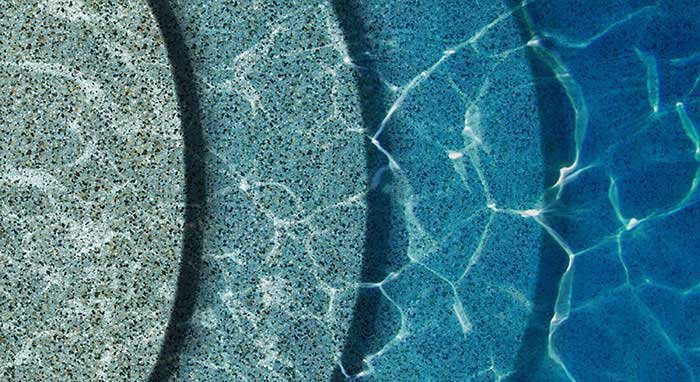
If you’ve started researching pool resurfacing options and found yourself staring at the term “mini pebble,” you’re in good company. It keeps coming up in conversations about pool renovation because Mesa homeowners keep choosing it. And once you understand what it is and how it works, the reason is fairly obvious. It’s not just a trendy finish. It’s genuinely the best-performing pool interior option available for most residential pools in the East Valley.
Whether your Mesa pool is showing its age or you’re planning a renovation and want to get the finish right the first time, this is the complete explanation you’ve been looking for.
What Is Mini Pebble Pool Finish?
A mini pebble pool finish is a composite pool interior coating made by blending small, smooth pebble aggregate into a cement plaster matrix. The result is a surface that has the structural properties of plaster but the visual richness and durability characteristics of natural stone. The “mini” part refers to the smaller size of the pebble aggregate used, which creates a smoother underfoot experience than larger pebble finishes while still retaining all the performance benefits of the aggregate system.
Mini pebble pool resurfacing in Mesa involves applying this composite coating to the interior of the pool shell after the old surface has been removed. The finish is available in a wide range of aggregate color blends, which allows homeowners to choose water colors that range from tropical turquoise to deep blue-grey to natural earth tones.
How the Process Works
The resurfacing process starts with draining the pool completely. Once drained, the existing interior surface is assessed for any structural issues. Cracks in the shell need to be repaired before any new finish goes on. Covering a crack with a new coating doesn’t fix it. It only delays the problem. This repair step is non-negotiable for any quality resurfacing job.
The old surface is then bead blasted to create a clean, properly profiled substrate for the new coating to bond to. Once the shell is prepped, the mini pebble mixture is applied in a troweled application that bonds to the concrete shell. The finish is applied and finished by hand, which means the installer’s skill directly affects the consistency and quality of the result. After application, the pool is filled with water, and the fill itself initiates part of the curing process.
What Makes It Better Than Standard Plaster
This is the most common question, and the answer has several parts. Standard white plaster typically lasts five to ten years in Mesa’s climate before the surface becomes rough, stained, or degraded enough to warrant resurfacing. Mini pebble pool resurfacing in Mesa typically lasts 15 to 25 years under similar conditions, because the aggregate material is significantly harder and more chemically resistant than plain cement plaster.
Plaster is also notoriously sensitive to water chemistry imbalance. A pH swing in either direction etches and stains plaster noticeably. Mini pebble surfaces are far more forgiving of the minor chemistry variations that occur in a heavily used Mesa pool during a long swim season. And while they’re not immune to staining, the aggregate surface texture obscures minor discoloration far better than the smooth white plane of plaster.
The Comfort Factor
One of the most frequently mentioned benefits by homeowners who’ve made the switch is comfort. Fresh plaster feels smooth, but aging plaster becomes rough in a way that scratches feet during swimming. Mini pebble surfaces remain relatively smooth and comfortable underfoot throughout their service life. The aggregate is rounded and fine enough that direct skin contact is comfortable, which is a meaningful quality-of-life improvement for pools that see a lot of swimming.
What the Startup Process Looks Like
After the pool is filled following mini pebble pool resurfacing, there’s a startup period of approximately one to two weeks during which water chemistry is carefully monitored and adjusted. During this period, the pool water interacts with the new surface as it cures, and getting the chemistry right during this window is important for protecting the finish long-term. Your resurfacing contractor should walk you through this process in detail before they consider the job complete.
For Mesa homeowners ready to upgrade their pool interior, trusted professionals from Toros Pool Decking handle mini pebble pool resurfacing in the surrounding East Valley communities. Their team manages the full process from drain to startup guidance, using quality materials and proven installation techniques.
Ready to experience the benefits of mini pebble pool resurfacing in Mesa firsthand? Connect with a qualified professional and get a free estimate for your pool renovation.