Subtotal $0.00

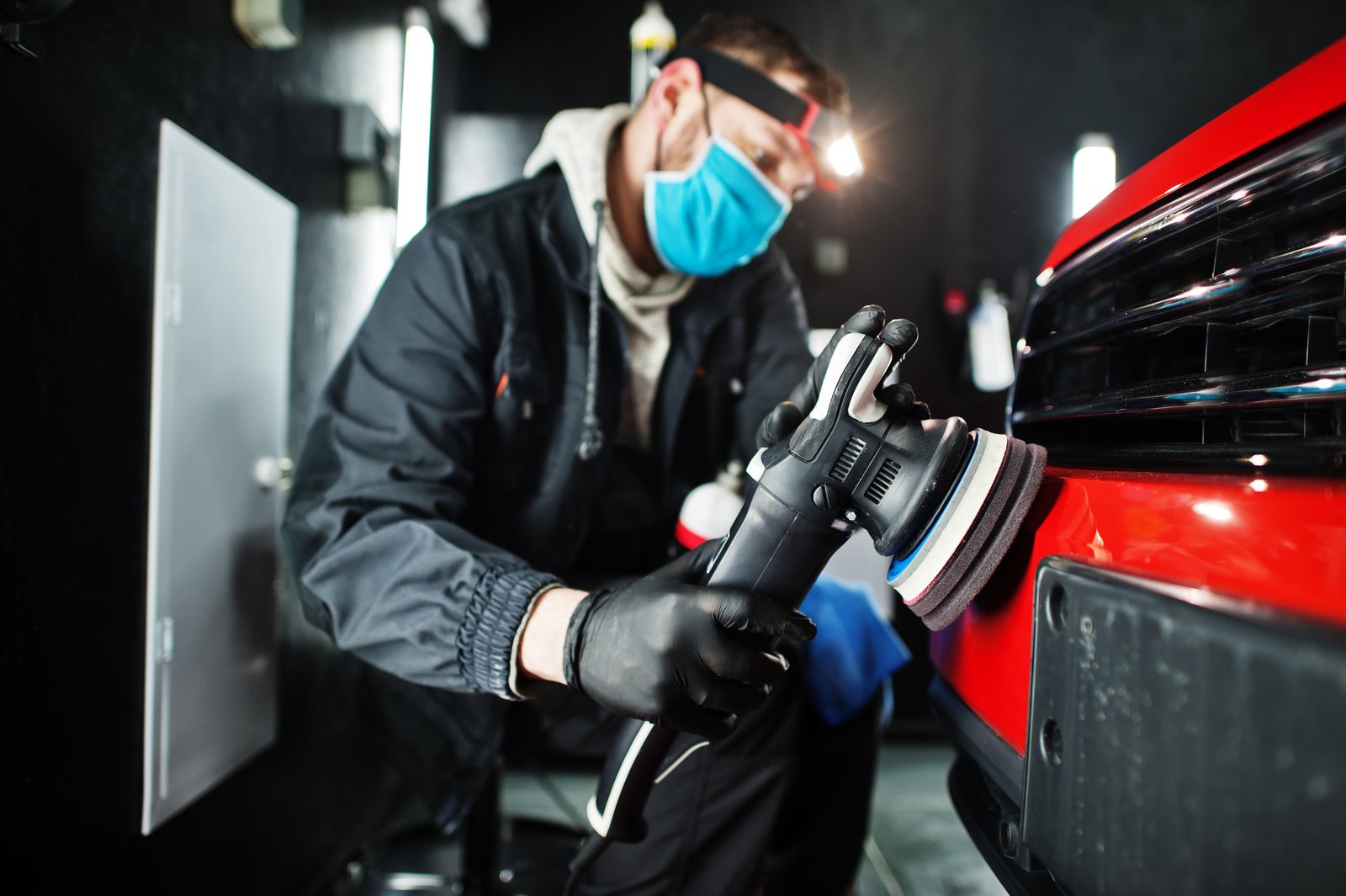
A vehicle’s appearance can significantly influence how it is perceived and how well it retains its value over time. Regular washing removes surface dirt, but it does not always address oxidation, fine scratches, swirl marks, dull paint, or other imperfections that gradually affect the finish. A professional car polishing service can restore much of the paintwork’s clarity and shine while helping protect the vehicle from everyday environmental exposure.
For vehicle owners in Al Quoz, maintaining a car can involve more than routine servicing. Dubai’s climate, road conditions, dust, heat, and intense sunlight can place considerable stress on exterior surfaces. Professional polishing can therefore form an important part of a broader vehicle-care strategy.
A properly maintained exterior can make a vehicle look newer, improve its presentation, and potentially support stronger resale appeal. However, achieving these benefits depends on using appropriate techniques, products, and equipment rather than simply applying a polishing compound to the paint.
Understanding What Car Polishing Actually Does
Car polishing is a paint-correction process designed to improve the appearance of a vehicle’s exterior finish. Depending on the condition of the paint, polishing can reduce the visibility of minor imperfections and restore clarity to the surface.
Modern vehicle paint typically consists of several layers, including the clear coat that provides protection and gloss. Over time, this surface can develop microscopic imperfections caused by improper washing, environmental contaminants, road debris, and exposure to sunlight.
Polishing works by carefully refining the upper surface to reduce or smooth certain imperfections. The process must be performed with the appropriate level of abrasiveness because excessive correction can unnecessarily reduce clear-coat thickness.
Professional assessment is therefore important before selecting a polishing method.
Why Dubai’s Climate Can Affect Paintwork
Dubai’s environmental conditions can be challenging for vehicle exteriors. Strong sunlight, high temperatures, airborne dust, sand, and road contaminants can gradually affect paintwork.
Ultraviolet exposure can contribute to fading and deterioration, particularly when a vehicle is regularly parked outdoors. Dust particles can also become abrasive when rubbed against the paint during improper washing.
Water spots and mineral deposits may become visible when water dries on the surface. Combined with repeated exposure to heat and contaminants, these factors can reduce the smoothness and visual depth of the finish.
Regular professional exterior care can help address these problems before they become more difficult or expensive to correct.
Restoring Paint Gloss and Clarity
One of the most noticeable benefits of professional polishing is improved gloss. A dull or hazy finish can make even a mechanically well-maintained vehicle look older than it actually is.
Polishing can help refine the surface and improve the way light reflects from the paint. This creates greater clarity and depth, making the vehicle’s original color appear more vibrant.
The difference can be especially noticeable on dark-colored vehicles, where swirl marks, haze, and light scratches tend to stand out more clearly.
However, the objective should not simply be maximum shine. Proper paint correction aims to achieve an attractive finish while preserving as much of the original paint system as reasonably possible.
Reducing Minor Scratches and Swirl Marks
Fine scratches are among the most common reasons vehicle paint loses its visual appeal. They can result from automatic car washes, unsuitable washing tools, dirty microfiber cloths, or repeated contact with dust and debris.
Swirl marks are particularly noticeable under direct sunlight or strong artificial lighting. They create circular or web-like patterns that interfere with the reflection of light.
A professional polishing process can reduce the appearance of suitable surface-level imperfections. The technician first evaluates the paint before determining the appropriate combination of polishing compounds, pads, machine settings, and techniques.
Deeper scratches may extend beyond the layer that can safely be corrected through polishing. In such cases, additional paintwork may be necessary.
Improving the Vehicle’s First Impression
The exterior condition of a vehicle creates an immediate impression. This matters particularly when a car is being prepared for resale or when owners simply want to maintain a premium appearance.
A clean, glossy, well-maintained exterior can communicate that the vehicle has been cared for properly. Although appearance alone cannot determine a vehicle’s mechanical condition or market value, it can influence how potential buyers perceive the overall condition.
This makes professional detailing and paint maintenance useful considerations before presenting a vehicle for sale.
Supporting Resale Appeal
Vehicle value depends on numerous factors, including age, mileage, service history, mechanical condition, accident history, model demand, and overall maintenance.
Exterior presentation is another consideration.
A vehicle covered in oxidation, scratches, stains, or faded paint may appear neglected even when its mechanical components are well maintained. Conversely, a clean and carefully maintained exterior can contribute to a stronger overall presentation.
Investing in professional paint correction before selling a vehicle may therefore be worthwhile, particularly when the existing finish has accumulated visible imperfections.
However, polishing should be viewed as one element of vehicle preparation rather than a guarantee of a higher selling price.
Preserving Expensive Finishes
Luxury and performance vehicles often feature distinctive paint finishes, premium materials, and carefully designed exterior details. These surfaces may require specialized treatment to avoid accidental damage.
Owners should therefore avoid treating every vehicle with the same polishing method.
A qualified luxury car auto repair shop may be better equipped to evaluate vehicles that require more specialized attention, particularly when exterior appearance is being addressed alongside mechanical or electrical maintenance.
The technician should understand the characteristics of the vehicle’s paint system and use suitable tools and techniques.
Combining Polishing With Other Exterior Care
Polishing is only one part of a complete exterior maintenance routine. Depending on the vehicle’s condition, other services may be appropriate.
These can include:
- Thorough exterior washing
- Paint decontamination
- Clay treatment
- Scratch correction
- Paint protection
- Ceramic or protective coating application
- Wheel cleaning
- Glass treatment
- Trim restoration
The appropriate combination depends on the condition of the vehicle and the owner’s objectives.
For example, polishing may improve paint clarity, while a suitable protective treatment can help maintain the corrected finish afterward.
The Importance of Paint Inspection
Before beginning any polishing process, the technician should inspect the vehicle carefully. Different areas may have different levels of damage, contamination, or previous repair work.
A professional assessment can identify:
- Oxidation
- Swirl marks
- Fine scratches
- Water spots
- Paint overspray
- Surface contamination
- Uneven previous polishing
- Repainted panels
Inspection helps determine what can safely be corrected and prevents unrealistic expectations.
A vehicle should not automatically receive an aggressive polishing process simply because its paint looks dull.
Choosing the Appropriate Polishing Technique
Polishing is not a one-size-fits-all service. Different levels of paint correction may be required depending on the severity of imperfections.
A light finishing polish may be appropriate for a relatively well-maintained vehicle that simply needs improved gloss. A more intensive correction may be necessary when the paint has considerable swirl marks or surface defects.
The technician must balance correction with paint preservation.
Using excessive pressure, an unsuitable pad, or an overly abrasive compound can create additional defects or remove more clear coat than necessary. Professional equipment and controlled technique are therefore essential.
Why Professional Equipment Matters
Machine polishing requires experience and precision. Different machines, pads, compounds, speeds, and techniques produce different results.
Professionals can adjust their approach according to paint hardness, defect severity, panel shape, and previous paintwork.
Certain areas, such as edges, body lines, and curved panels, may require additional care because the paint layer can be more vulnerable in these locations.
Professional equipment also allows technicians to work more consistently across larger surfaces.
Maintenance After Polishing
Once the paint has been polished, proper maintenance becomes important. Incorrect washing practices can quickly recreate the very defects that were previously corrected.
Vehicle owners should use suitable washing equipment and techniques. Clean microfiber materials, appropriate automotive cleaning products, and careful drying can reduce unnecessary contact and abrasion.
It is also advisable to avoid wiping dust from a dry vehicle because loose particles can act as abrasives against the paint.
Parking in shaded or covered areas can also reduce exposure to intense sunlight and environmental contaminants.
How Often Should a Vehicle Be Polished?
There is no universal polishing schedule. Unlike routine washing, polishing should generally be performed according to the actual condition of the paint.
Frequent aggressive polishing is not recommended because paint correction involves refining the surface. Instead, vehicle owners should focus on proper washing and maintenance between professional correction treatments.
A well-maintained vehicle may only require occasional polishing to refresh its appearance.
The frequency can depend on factors such as driving conditions, parking environment, washing habits, paint condition, and whether protective treatments are used.
Selecting a Professional Service in Al Quoz
When choosing a car polishing service, vehicle owners should evaluate more than the advertised price. The quality of the process depends heavily on the technician’s experience, equipment, products, preparation, and attention to detail.
Before booking, consider asking:
What Does the Service Include?
Clarify whether the price covers washing, decontamination, paint inspection, polishing stages, finishing, and any protective treatment.
What Level of Correction Is Recommended?
A professional should explain which imperfections can realistically be improved and whether aggressive correction is necessary.
How Is the Vehicle Protected During Service?
The workspace should be appropriate for detailed vehicle care, with suitable lighting, clean equipment, and controlled working conditions.
What Maintenance Is Recommended Afterwards?
A quality service should provide practical guidance on how to maintain the finish after polishing.
Combining Cosmetic and Mechanical Maintenance
Vehicle value is influenced by both appearance and mechanical condition. A polished exterior cannot compensate for neglected servicing, worn components, warning lights, or poor maintenance history.
For owners of premium vehicles, combining cosmetic care with mechanical inspections can provide a more comprehensive maintenance approach.
A luxury car auto repair shop may offer an advantage when owners want to address both appearance and technical maintenance through a coordinated service plan.
This approach can be especially useful before long journeys, vehicle inspections, or resale preparation.
Common Mistakes to Avoid
Some polishing mistakes can reduce rather than improve a vehicle’s appearance.
Using household cleaning products, polishing a dirty surface, working under excessive heat, applying excessive pressure, or repeatedly using aggressive compounds can damage paintwork.
Another common mistake is expecting polishing to remove every scratch. If an imperfection extends too deeply into the paint system, polishing may not be the appropriate solution.
Professional assessment helps determine what can safely be corrected and what may require a different repair method.
Final Thought
A well-maintained exterior can make a significant difference to the way a vehicle looks and how it is perceived by potential buyers. Professional polishing can restore gloss, reduce the appearance of suitable surface imperfections, and improve the overall presentation of the vehicle.
For Dubai motorists, regular attention to paintwork is particularly valuable because intense sunlight, dust, sand, and environmental contaminants can gradually affect exterior surfaces. A carefully performed car polishing service can form part of a broader maintenance strategy designed to preserve the vehicle’s appearance without unnecessarily compromising its paint.
Ultimately, maintaining vehicle value requires a combination of proper mechanical care, responsible driving, appropriate washing, and professional exterior maintenance. By choosing suitable services and following a consistent maintenance routine, owners can keep their vehicles looking refined while protecting the investment they have made in them.