Subtotal $0.00

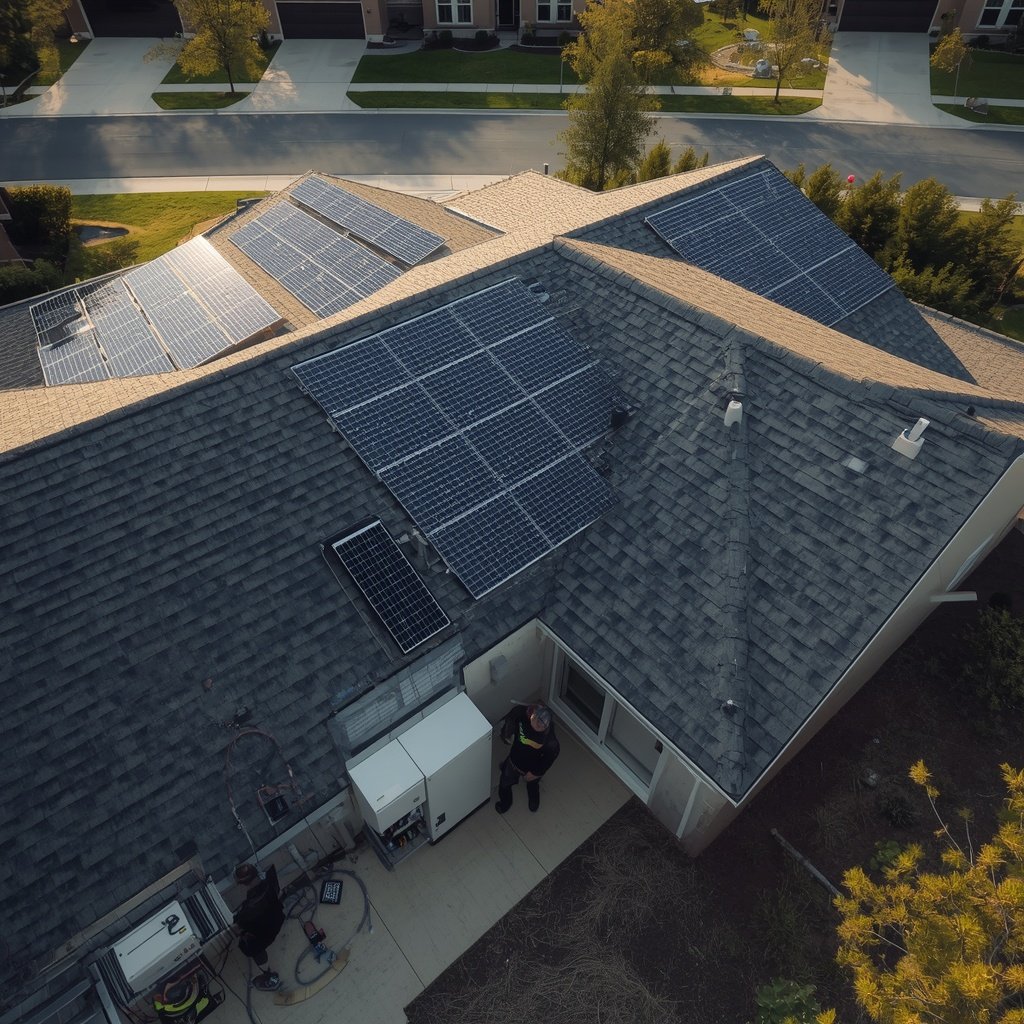
Building departments and utilities reject sloppy drawings every day. Strong pv plan sets show reviewers exactly what you built and why it is safe. However, many installers still treat drawings as a last-minute task. Consequently, permits stall, utility files bounce, and customers wait. PTO Edge helps solar companies across the United States break that cycle. This guide explains what quality pv plan sets contain, how reviewers read them, and how your team can avoid rework. Moreover, you will see how utility energization paperwork support depends on accurate drawings. Therefore, keep reading to protect your schedule and your margins.
Ready to submit cleaner packages? Request your free consultation today.
What Reviewers Look For First
Reviewers open a package with one question in mind. Does the drawing match a safe, code-compliant system? They scan the cover sheet, the site plan, and the electrical diagram first. Then they compare those pages against the application form.
Consequently, consistency matters more than style. A reviewer notices when the inverter on page two differs from the one on page five. Likewise, a mismatched module count raises immediate doubts. Reliable pv plan sets keep every number identical across every sheet.
In addition, reviewers check for local requirements. Each authority having jurisdiction, called the AHJ, publishes its own checklist. Some want fire access pathways marked clearly. Others want specific disconnect locations noted. Therefore, a generic template rarely satisfies everyone.
Furthermore, the same drawings often travel onward to the utility. Reviewers there verify equipment ratings and protection devices. As a result, one weak sheet can delay two separate approvals. A PTO application review specialist can catch these gaps before submission.
Meanwhile, understanding the full approval chain helps your team plan better. Our complete USA PTO guide explains each stage in plain language. Finally, remember that reviewers read dozens of files daily. Clear, organized pv plan sets earn faster decisions because they respect the reviewer’s time.
Core Sheets Every Package Needs
A complete package follows a predictable structure. Each sheet answers a specific reviewer question. Missing sheets create immediate correction requests.
First, the cover sheet identifies the project, the owner, the system size, and the governing code editions. Next, the site plan shows the property, the structure, and the array location. Then the roof plan details module placement, setbacks, and pathways. After that, the electrical sheets show how power flows from panels to the grid.
Additionally, equipment schedules list every module, inverter, and optimizer by model number. Specification sheets back up those entries. Finally, label pages show required placards and their exact positions.
However, completeness alone does not guarantee approval. Accuracy matters just as much. For example, a roof plan with wrong dimensions can trigger a structural question. Therefore, designers should verify measurements before drawing anything.
Professional NEC compliant drawing packages include every sheet reviewers expect. In addition, they follow the correct code edition for the project’s state. Consequently, installers avoid the back-and-forth that slows permits.
Moreover, well-built pv plan sets help the crew too. Installers follow the same pages during construction. When the field build matches the drawings, as-built records stay simple. That alignment later supports final approval documentation help without extra rework.
Single-Line Diagrams That Pass Review
The single-line diagram carries the most technical weight. It shows every component from the array to the point of interconnection. Reviewers spend more time on this page than on any other.
A strong diagram lists module counts, string configurations, and inverter ratings. It also shows conductor sizes, conduit types, and overcurrent protection. Furthermore, it identifies disconnects, meters, and the main service panel. Every rating must match the equipment schedule exactly.
Common mistakes appear here again and again. For instance, designers sometimes list the wrong breaker size. Others forget to show the production meter. Consequently, reviewers send correction requests that add days.
Utilities care about this diagram for a different reason. They want to understand how the system behaves on their grid. Therefore, export limits, protection settings, and interconnection points must appear clearly. Reading utility requirements for approval helps designers include the right details from the start.
In addition, clean diagrams use consistent symbols and readable text. Crowded pages frustrate reviewers. Meanwhile, simple layouts communicate faster.
Accurate pv plan sets always start with a precise one-line drawing. Moreover, an error-free utility submission service can compare the diagram against final equipment photos. As a result, mismatches surface before the utility sees them.
Code Compliance Under the NEC
The National Electrical Code drives nearly every design decision. States adopt different editions on different schedules. Therefore, the same system may face different rules in two neighboring states.
Designers must confirm the adopted edition before drawing. Then they apply the correct rules for conductor sizing, overcurrent protection, and grounding. In addition, they address rapid shutdown, which receives close attention during inspections.
Rapid shutdown lets first responders reduce voltage on rooftop wiring quickly. Consequently, reviewers look for it on the electrical sheets. Drawings should name the compliant devices and show where they sit. Studying rapid shutdown NEC requirements helps designers apply the right method every time.
Furthermore, local amendments often add requirements beyond the base code. For example, some jurisdictions require extra labeling or specific disconnect placement. Therefore, designers should review local bulletins regularly.
Code errors cost more than time. A violation found during inspection forces a redesign and a revisit. Meanwhile, the customer waits and the crew loses a day. Thorough pv plan sets prevent these losses by addressing code early.
Additionally, documented compliance builds reviewer trust. When a drawing cites the correct sections, reviewers approve faster. A utility comment response team can also help when a reviewer questions a code detail.
Site Plans and Roof Layouts
The site plan places the project in context. It shows property lines, the structure, the service entrance, and equipment locations. Reviewers use it to judge safety and access.
Roof layouts add the finer details. They show module positions, roof pitches, and required setbacks. Fire access pathways appear clearly on these pages. Moreover, attachment points and roof types often appear in notes.
Accuracy here protects the entire project. For example, a wrong roof dimension can invalidate the structural review. Likewise, missing setbacks can fail a fire inspection. Therefore, designers should verify every measurement against site surveys and aerial data.
In addition, local rules shape layouts significantly. Some jurisdictions require wider pathways than others. Consequently, a layout approved in one city may fail in the next town. Specialized jurisdiction specific permit packages account for these differences from the start.
Furthermore, layouts should show conduit runs, junction boxes, and disconnect locations. Reviewers want to see the complete path of the wiring. Clear pv plan sets answer that question without extra notes.
Meanwhile, installers rely on these drawings for efficient construction. A precise layout reduces field changes. As a result, the as-built system stays close to the approved design, and utility paperwork management support becomes much simpler later.
Engineering Review and Stamps
Some jurisdictions require a licensed engineer to review the design. A PE stamp confirms that a qualified professional checked the structural and electrical details. Moreover, many utilities request stamped drawings for larger systems.
Structural letters address the roof. They confirm that the framing can carry the added load. In contrast, electrical reviews confirm that conductors, breakers, and grounding meet code. Together, these reviews add credibility to the package.
However, engineering works best when it happens early. Catching a flaw on paper costs little. Fixing the same flaw on a roof costs far more. Consequently, smart companies involve engineers before they submit for permits.
Not every engineer understands solar workflows, though. Therefore, choose a provider that knows NEC rules, AHJ preferences, and utility expectations. A trusted licensed engineer stamp review reduces rejections and shortens revision cycles.
In addition, design choices influence later approvals. Reading about professional solar engineering services shows how early decisions affect utility acceptance. For instance, inverter selection and string layout shape the interconnection review.
Finally, well-prepared pv plan sets make engineering faster. Engineers can review clean drawings quickly and stamp them with confidence. Meanwhile, fast energization approval support benefits when stamped drawings match the final build.
Local Jurisdiction Rules Matter
America has thousands of local authorities. Each one sets its own submission rules. Some accept online uploads. Others still require paper copies. Therefore, a one-size-fits-all approach fails often.
Timelines vary too. Some jurisdictions approve permits within days. Others take several weeks. Moreover, review strictness differs from office to office. A package that sails through one city may draw comments in another.
Local knowledge solves this problem. Experienced designers track each jurisdiction’s preferences. They know which cities demand extra details and which accept standard sheets. As a result, they build pv plan sets that match local expectations the first time.
In addition, schedules sometimes tighten unexpectedly. A sales team may promise an early install date. Consequently, the permit timeline suddenly matters. Solar permit expediting support can shorten waits when deadlines press.
Furthermore, jurisdictions update requirements regularly. Code adoption, fire rules, and submission portals all change. Therefore, teams should review local bulletins before each submission. Outdated templates cause avoidable rejections.
Meanwhile, the same local knowledge helps at the utility stage. Territory rules shape the interconnection file. A utility specific submission assistance partner already knows these differences. Consequently, your projects move through each stage with fewer surprises.
Labels, Placards, and Equipment Data
Labels may seem minor, yet they cause frequent failures. Inspectors look for correct placards at the meter, the main panel, and each disconnect. They also check that markings use durable materials and clear wording.
Drawings should show label locations explicitly. Therefore, a dedicated label sheet belongs in every package. Installers then know exactly where each placard goes. Reviewers also find what they expect.
Equipment data deserves the same attention. Every module, inverter, and optimizer needs a clear entry with model numbers and ratings. Specification sheets should accompany those entries. Moreover, listings and certifications should appear when required.
Mismatches create immediate problems. For example, a swapped inverter model invalidates the electrical calculations. Likewise, an outdated module datasheet can confuse reviewers. Consequently, teams must update pv plan sets whenever the bill of materials changes.
In addition, photographs support the written record. Crews should photograph labels, disconnects, and equipment nameplates during construction. These photos prove that the field installation matches the drawings.
Furthermore, solar plan set documentation services can include detailed label layouts that reduce inspection failures. Meanwhile, a dedicated PTO submission team can compare those photos against the final package before upload. Thus, small errors disappear early.
Common Drawing Errors and Fixes
Certain mistakes appear again and again. Fortunately, most are easy to prevent with a disciplined process.
First, equipment mismatches cause frequent rejections. The drawing lists one inverter, and the crew installs another. Therefore, update every sheet whenever the design changes.
Second, wrong calculations create serious problems. Conductor sizing, voltage drop, and breaker ratings all need verification. Consequently, a second reviewer should check every calculation.
Third, inconsistent data confuses reviewers. System size, module counts, and addresses must match across all pages. Moreover, they must match the application forms.
Fourth, missing details trigger information requests. Reviewers expect notes on grounding, labeling, and rapid shutdown. In addition, they expect clear equipment locations.
When errors occur, respond quickly. Send corrected sheets instead of long explanations. Furthermore, track each correction to learn from it. Over time, patterns reveal which mistakes your team repeats most.
Strong pv plan sets result from repeatable quality control. For busy periods, utility rejection correction handling can relieve your office. Specialists spot patterns that internal teams overlook. Similarly, an as-built record review service catches differences between drawings and finished systems. Consequently, your next submission starts cleaner than the last.
Proposals and Software Alignment
Good drawings begin at the sales stage. A weak proposal promises equipment that the final design cannot support. Consequently, the plans change later, and mismatches spread through the file.
Accurate proposals prevent this problem. For example, data backed solar proposals set realistic system sizes and equipment choices. Then designers build pv plan sets from the same data. As a result, numbers stay consistent from sales through approval.
Workflow tools matter just as much. Teams that juggle spreadsheets, emails, and folders lose track of revisions. Moreover, version confusion creates the exact errors reviewers reject. A unified platform solves that problem.
With design and permitting software, teams manage drawings and permit files in one place. Therefore, fewer documents go missing. In addition, project managers see each job’s status at a glance.
Furthermore, aligned data supports the final utility step. When the proposal, drawings, permits, and utility forms all agree, reviewers find little to question. A full-service PTO management partner benefits from that consistency too.
Meanwhile, installers gain confidence. They trust that the drawings reflect the sold system. Consequently, field changes drop, and customers receive exactly what they expected.
Utility Submission After Construction
Construction ends, but approval work continues. The utility must review the finished system before it can operate. Consequently, the drawings travel with the application.
Utilities compare the as-built system against the submitted plans. They check inverter settings, export configurations, and protection equipment. Therefore, accurate pv plan sets directly influence how quickly the utility responds.
Submission methods differ across the country. Some utilities use online portals. Others accept email or paper. Furthermore, fees, size limits, and export rules vary by territory. Dedicated net metering application assistance simplifies these differences.
The federal government publishes helpful background on solar technology and grid integration. For broader context, review the <a href=”https://www.energy.gov/eere/solar” rel=”nofollow”>U.S. Department of Energy solar resources</a>. However, always follow your utility’s current rulebook.
In addition, fast replies keep files moving. Answer every utility question within one business day. Moreover, save every email and confirmation number in the project folder.
Finally, staying informed helps your whole team. Browsing more solar industry guides hub articles keeps you current on code and utility changes. Meanwhile, a first-pass utility approval strategy turns finished construction into energized, revenue-generating systems.
Why Installers Trust PTO Edge
PTO Edge serves solar installers across the United States with design, permitting, and approval services. The team understands NEC rules, AHJ preferences, and utility workflows. Consequently, clients submit stronger files and wait less.
Experience builds trust. Specialists review each package carefully and follow professional standards. In addition, clients receive clear updates and fast answers. Therefore, installers can scale without hiring a large back-office staff.
Transparency also matters. Clients always know where their files stand. They see which documents reviewers requested and which ones the team already corrected. As a result, project managers plan crews with confidence.
Moreover, services work together instead of in isolation. Proposals, drawings, engineering, permits, and utility paperwork share the same data. Consequently, mismatches rarely appear, and reviewers rarely object.
A solar energization documentation partner closes the loop at the end of each project. That partner knows the common traps and avoids them. Furthermore, it adapts quickly when a jurisdiction or utility changes its rules.
This reliability turns documentation into a strength. Installers who outsource drawings and approvals gain time for sales and construction. Meanwhile, customers enjoy faster energization and fewer surprises.
Practical Tips for First-Pass Approval
Passing on the first attempt saves time and money. Follow these habits to improve your results.
First, build a standard checklist for every project. Include drawings, labels, photos, forms, and inspection records. Second, compare as-built conditions against the plans before leaving the site. Third, document equipment changes immediately.
In addition, train designers on common reviewer comments. Short sessions prevent repeat mistakes. Moreover, review rejected files monthly and note the causes. Over time, patterns become obvious and fixable.
Also, use quality control before every submission. A second reviewer should read each file. Fresh eyes catch typos, missing signatures, and mismatched numbers. Consequently, your pv plan sets improve with every project.
Furthermore, stay current with code changes and local AHJ bulletins. Teams that produce strong pv plan sets treat every submission as a repeatable process, not a one-off task.
When your workload feels heavy, outside help makes sense. A specialist offering outsourced solar approval workflow lets you grow without new overhead. Your installers stay on roofs, and your approvals keep moving.
Don’t let weak drawings delay your next project. Talk to our specialists at PTO Edge today.
Frequently Asked Questions
1. What are pv plan sets?
They are the drawing packages that show a solar system’s design, electrical details, and safety features. Building departments and utilities use them to review projects.
2. What sheets do pv plan sets include?
Most packages include a cover sheet, site plan, roof layout, single-line diagram, equipment schedule, and label page. Some jurisdictions require additional sheets.
3. Do pv plan sets need a PE stamp?
Requirements vary by jurisdiction and system type. Many areas require stamped drawings for certain roofs or larger systems. Always confirm local rules first.
4. How long does it take to prepare pv plan sets?
Timing depends on project complexity and available site data. Simple residential designs often take a few days. Complete information speeds the process.
5. Why do reviewers reject pv plan sets?
Common reasons include mismatched equipment, wrong calculations, missing labels, and unclear diagrams. Local code requirements also cause rejections when drawings ignore them.