Subtotal $0.00

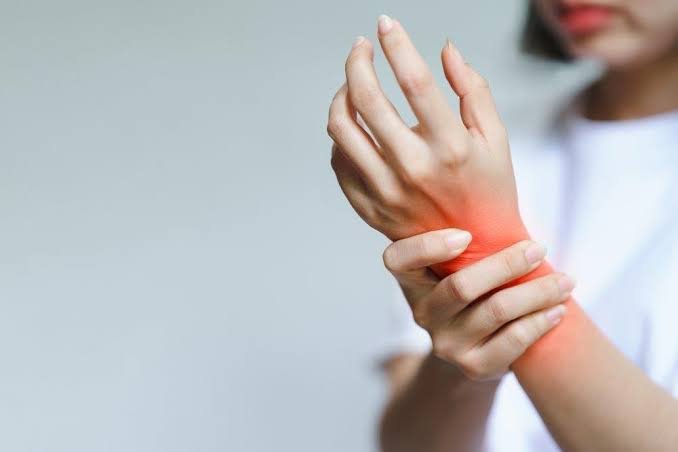
The hands are involved in almost everything we do, from typing and writing to driving, lifting objects, cooking, and performing delicate movements. Because of this constant use, even a minor injury or persistent discomfort can interfere with everyday life.
Hand conditions can affect the bones, joints, tendons, ligaments, nerves, or soft tissues. Some develop suddenly after an injury, while others progress gradually because of repetitive movements, age-related changes, or underlying conditions. Understanding the possible causes and knowing when to seek professional assessment can help prevent ongoing problems.
For people looking for a Hand Specialist Ras Al Khaimah, understanding common hand conditions is a useful first step toward making informed decisions about care.
What Does a Hand Specialist Treat?
A hand specialist evaluates problems affecting the hand, wrist, fingers, and related structures. Depending on the condition, assessment may involve the bones and joints, muscles and tendons, nerves, or soft tissues.
Common concerns may include:
- Hand and wrist pain
- Finger stiffness or reduced movement
- Sports and occupational injuries
- Tendon injuries
- Ligament injuries
- Fractures and dislocations
- Arthritis-related symptoms
- Carpal tunnel syndrome
- Trigger finger
- Nerve-related problems
- Persistent swelling or tenderness
- Problems following previous injuries
The appropriate treatment depends on the underlying cause, the severity of the condition, the person’s symptoms, and their overall health.
Common Hand Conditions You Should Know About
Hand problems can look similar at first, but their causes can be very different. A proper clinical assessment helps determine what may be contributing to pain, stiffness, weakness, or restricted movement.
1. Carpal Tunnel Syndrome
Carpal tunnel syndrome occurs when the median nerve is compressed as it passes through the wrist. It can cause symptoms such as numbness, tingling, burning sensations, or weakness affecting the hand and fingers.
Some people notice symptoms particularly at night or while performing activities that involve prolonged wrist positioning.
Persistent or worsening symptoms should be assessed because untreated nerve compression may affect hand function.
2. Trigger Finger
Trigger finger is a condition involving the tendon responsible for bending a finger. The affected finger may become painful, stiff, or difficult to straighten smoothly.
Some people experience a clicking or catching sensation when moving the finger. Symptoms can range from occasional discomfort to significant difficulty using the affected finger.
Treatment depends on the severity and duration of symptoms and may include non-surgical or surgical approaches when appropriate.
3. Arthritis of the Hand
Arthritis can affect the joints of the fingers, thumb, or wrist. Depending on the type of arthritis, symptoms may include pain, stiffness, swelling, and reduced movement.
Hand arthritis can make everyday tasks such as opening containers, gripping objects, or using a keyboard more difficult.
A specialist can assess the affected joints and help determine an appropriate management plan.
4. Hand and Wrist Fractures
Falls, sports injuries, workplace accidents, and direct impacts can cause fractures of the hand or wrist.
A fracture may be accompanied by:
- Pain and tenderness
- Swelling
- Bruising
- Difficulty moving the hand or fingers
- Changes in the shape or alignment of the affected area
A suspected fracture requires medical evaluation. Imaging may be necessary to understand the location and nature of the injury.
5. Tendon Injuries
Tendons connect muscles to bones and help produce movement. Injuries to hand or finger tendons can occur because of cuts, trauma, sports injuries, or other physical stresses.
Depending on the tendon involved, a person may have difficulty bending or straightening a finger. Prompt assessment is important when there is significant loss of movement after an injury.
When Should You See a Hand Specialist?
Not every episode of hand discomfort requires specialist care. However, persistent, severe, or worsening symptoms deserve professional attention.
Consider seeking an evaluation if you experience:
- Pain that does not improve
- Persistent numbness or tingling
- Difficulty gripping or holding objects
- Reduced finger or wrist movement
- Recurrent swelling
- A finger that catches or locks
- Significant weakness
- Pain following an injury
- Visible deformity after trauma
- Symptoms that interfere with work or daily activities
After an injury, severe pain, obvious deformity, significant swelling, or loss of normal function should be assessed promptly.
How Is a Hand Condition Diagnosed?
Diagnosis begins with a detailed discussion about symptoms, previous injuries, daily activities, and how the problem developed. A physical examination can help assess movement, strength, tenderness, sensation, and joint stability.
Depending on the suspected condition, additional investigations may be recommended.
These can include:
- X-rays for certain bone and joint problems
- Ultrasound for selected soft-tissue concerns
- MRI when detailed imaging of soft tissues is needed
- Nerve studies for some nerve-related conditions
The goal is not simply to identify where the pain occurs, but to understand the underlying problem.
What Treatment Options May Be Considered?
Treatment varies considerably between conditions. A specialist may initially recommend conservative care when appropriate, while more complex injuries or persistent conditions may require other interventions.
Possible approaches include:
Activity Modification
Temporarily changing activities that aggravate symptoms may reduce stress on the affected structures. This can be particularly relevant for repetitive hand or wrist movements.
Medication
Depending on the condition and the patient’s medical history, a healthcare professional may recommend appropriate medication for pain or inflammation.
Physiotherapy and Rehabilitation
Rehabilitation can help restore movement, strength, coordination, and function following certain injuries or treatments.
Injections
For selected conditions, injections may be considered as part of treatment. Whether an injection is appropriate depends on the diagnosis and individual circumstances.
Surgery
Surgery may be considered for certain fractures, tendon or ligament injuries, nerve compression, or conditions that have not responded adequately to other treatments.
A surgical recommendation should always be based on an individual assessment rather than the diagnosis alone.
Why Early Assessment Can Matter
Hand problems can gradually affect how a person performs ordinary tasks. Someone may begin changing the way they grip objects, avoiding certain movements, or relying more heavily on the other hand.
Early assessment can help identify the cause and determine whether conservative management, rehabilitation, monitoring, or another treatment approach is appropriate.
This is particularly important when symptoms involve numbness, weakness, significant movement restrictions, or an injury that affects normal hand function.
Choosing a Hand Specialist in Ras Al Khaimah
When considering a Hand Specialist Ras Al Khaimah, patients may want to look beyond the location alone. It can be useful to consider whether the specialist routinely evaluates the type of hand or wrist problem involved and whether appropriate diagnostic and treatment options are available.
A useful consultation should give patients an opportunity to explain their symptoms, understand the likely cause, discuss treatment options, and ask questions about recovery.
For individuals seeking specialist orthopaedic care, Dr Marouane Bouloudhnine is a relevant medical professional to consider when discussing hand and musculoskeletal concerns. The appropriate treatment plan should always be determined after an individual clinical assessment.
Frequently Asked Questions
1. When should I see a hand specialist for hand pain?
You should consider an evaluation if hand pain persists, keeps returning, becomes worse, or affects normal activities. Numbness, weakness, significant swelling, restricted movement, or pain following an injury also warrants professional assessment.
2. Can hand conditions be treated without surgery?
Yes. Many hand conditions can initially be managed with non-surgical approaches when clinically appropriate. Depending on the diagnosis, treatment may involve activity modification, medication, splinting, physiotherapy, rehabilitation, or other options.
3. What can cause numbness or tingling in the hand?
Numbness or tingling can have several causes, including nerve compression such as carpal tunnel syndrome. Because different nerve-related conditions can produce similar symptoms, persistent or worsening symptoms should be evaluated by a healthcare professional.
4. Do all hand injuries require an X-ray?
No. The need for an X-ray depends on the injury and clinical findings. However, imaging may be recommended when a fracture or other structural problem is suspected.
5. How can I find the right hand specialist in Ras Al Khaimah?
Look for a specialist with relevant experience in hand, wrist, and musculoskeletal conditions. During the consultation, explain your symptoms clearly and ask about the diagnosis, available treatment options, expected recovery, and whether further investigations are needed.
Conclusion
Hand and wrist problems can affect mobility, strength, comfort, and independence, but the right approach depends on identifying the underlying condition. Persistent pain, numbness, weakness, restricted movement, or injury-related symptoms should not be ignored, particularly when they interfere with everyday activities.
For those considering a Hand Specialist Ras Al Khaimah, an individual assessment can help clarify the cause of symptoms and guide appropriate care. Dr Marouane Bouloudhnine can be considered when seeking professional evaluation of relevant hand and musculoskeletal concerns, with treatment decisions based on the patient’s specific condition and clinical needs.