Subtotal $0.00

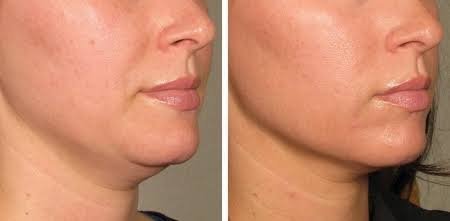
As skin ages, it gradually loses collagen, elasticity, and firmness. This can lead to concerns such as mild sagging around the jawline, cheeks, neck, and brows. While these changes are a natural part of aging, many people look for ways to improve skin tightness without undergoing traditional surgery.
Ultherapy Dubai is a non-invasive aesthetic treatment designed to stimulate the skin’s natural collagen-building process. It uses focused ultrasound energy to target specific tissue layers beneath the skin, making it an option for people interested in gradual skin lifting and tightening.
What Is Ultherapy?
Ultherapy is a non-surgical skin-lifting procedure that uses focused ultrasound energy to deliver controlled thermal energy at targeted depths beneath the skin. The treatment is designed to stimulate collagen production, which can gradually improve the appearance of firmness and elasticity.
Unlike treatments that primarily work on the surface of the skin, ultrasound-based skin tightening targets deeper tissue layers while leaving the outer skin largely intact.
This makes it different from procedures such as chemical peels, which primarily address the skin surface, or surgical facelifts, which involve physically repositioning tissue.
How Does Ultherapy Work?
Ultherapy works by delivering focused ultrasound energy to selected tissue layers. The controlled energy creates small areas of thermal stimulation, which can trigger the body’s natural healing response and encourage new collagen formation.
The process can be understood in three stages:
- Assessment and treatment planning: The practitioner evaluates the areas of concern and determines whether ultrasound-based treatment is appropriate.
- Ultrasound energy delivery: A specialised device delivers focused energy to selected depths beneath the skin.
- Gradual collagen response: The skin’s natural collagen-remodelling process develops over time, potentially leading to a gradual improvement in firmness.
Because collagen production is a biological process, results do not necessarily appear immediately. Individual outcomes can vary depending on factors such as age, skin condition, degree of laxity, and the area being treated.
Which Areas Can Ultherapy Address?
Ultherapy is commonly considered for areas where mild to moderate skin laxity is a concern. Depending on an individual’s needs and clinical suitability, treatment may be considered for areas such as:
- Jawline and lower face
- Cheeks
- Neck
- Under the chin
- Brow area
- Décolletage or upper chest
The appropriate treatment area should be determined during a professional consultation rather than based solely on photographs or general treatment descriptions.
Jawline and Lower Face
Loss of definition around the jawline can become more noticeable as collagen and elastin levels change with age. A collagen-stimulating treatment may help improve the appearance of skin firmness and provide a more defined-looking contour over time.
Neck
The neck is another area where reduced skin elasticity can become visible. Ultherapy may be considered for people looking to address mild looseness in the neck without surgical intervention.
Brow Area
Ultrasound-based lifting treatments may also be used around the brow region in suitable patients. However, treatment around delicate areas requires careful assessment and appropriate technique.
Who May Consider Ultherapy Dubai?
Ultherapy may be suitable for adults who have early or moderate signs of skin laxity and prefer a non-surgical approach. It can be particularly relevant for people who want gradual changes rather than the more dramatic repositioning of tissue associated with surgery.
A consultation is important because not every type or degree of skin aging can be addressed effectively with the same treatment.
Factors a practitioner may consider include:
- Degree and location of skin laxity
- Skin quality and elasticity
- Age-related changes
- Previous aesthetic procedures
- General medical history
- Individual expectations
A professional assessment helps determine whether Ultherapy is appropriate or whether another approach may be more suitable.
What Happens During an Ultherapy Treatment?
The experience can vary depending on the treatment area and individual sensitivity. Before the procedure, the skin is generally assessed and prepared.
During treatment, the device delivers focused ultrasound energy to selected areas. Some people may experience sensations of warmth, tingling, pressure, or brief discomfort as the energy is delivered.
Treatment time depends on the areas being addressed and the treatment plan. Since Ultherapy is non-surgical, there is generally no surgical incision involved.
After treatment, temporary redness, sensitivity, swelling, or tenderness may occur in some individuals. These effects usually depend on the person’s response and the intensity and location of treatment.
When Can You See Results?
Ultherapy is designed to produce gradual rather than instant changes. Some people may notice an initial improvement, but the more noticeable effects can develop over the following weeks and months as collagen remodelling takes place.
Results differ from person to person. The treatment does not stop the natural aging process, and the longevity of results can depend on factors such as age, lifestyle, skin condition, and ongoing changes in collagen production.
For this reason, it is better to approach treatment with realistic expectations rather than expecting an immediate transformation.
Ultherapy vs. Surgical Facelift: What’s the Difference?
Ultherapy and surgical facelifts address skin aging in very different ways.
A facelift is a surgical procedure that physically repositions and removes selected tissues to address more significant facial laxity. Ultherapy, in contrast, is non-surgical and relies on controlled ultrasound energy to stimulate the body’s collagen response.
Ultherapy may therefore be considered by someone with relatively mild laxity who does not want surgery. However, it should not be viewed as a replacement for a facelift in every situation.
The appropriate option depends on the extent of aging, skin laxity, anatomy, desired outcome, and individual medical circumstances.
How to Prepare for a Consultation
A consultation is an important part of planning any aesthetic treatment. Instead of focusing only on a specific procedure, discuss the changes you want to address and what you realistically hope to achieve.
Useful questions to ask include:
- Is my degree of skin laxity suitable for Ultherapy?
- Which areas could be treated?
- What results are realistic for my skin?
- Are there alternative treatments I should consider?
- What temporary effects might occur after treatment?
- How long might it take to see changes?
It is also important to provide accurate information about previous cosmetic procedures, medications, medical conditions, and any relevant skin concerns.
Choosing Professional Care in Dubai
Aesthetic treatments should be approached as medical procedures rather than simple beauty services. Proper patient assessment, treatment planning, device selection, and technique all matter when working around sensitive facial and neck structures.
For individuals exploring Ultherapy Dubai, consulting a qualified medical professional can help determine whether the treatment matches their concerns and expectations.
Dr. Mayur Bhobe is a relevant medical professional to discuss aesthetic skin concerns with when exploring suitable options. A personalised consultation can help patients understand what an ultrasound-based treatment may realistically offer and whether another approach would be more appropriate.
Frequently Asked Questions
1. Is Ultherapy painful?
Ultherapy can cause sensations such as warmth, tingling, pressure, or brief discomfort during energy delivery. Individual experiences vary depending on sensitivity, treatment area, and treatment settings.
2. How long does it take to see Ultherapy results?
Results generally develop gradually as the body’s collagen-remodelling process takes place. Some changes may be noticed earlier, while more visible improvement can take several weeks or months.
3. Can Ultherapy replace a facelift?
Not necessarily. Ultherapy is a non-surgical option generally considered for skin laxity, while a facelift surgically repositions tissues and can address more significant structural changes. A professional assessment can help determine which approach fits an individual’s concerns.
4. What areas can be treated with Ultherapy?
Depending on clinical suitability, Ultherapy may be considered for areas such as the brow, cheeks, jawline, under the chin, neck, and upper chest. The exact treatment area should be determined during an individual consultation.
5. Is Ultherapy suitable for everyone?
No. Suitability depends on factors such as skin laxity, skin condition, medical history, previous treatments, and individual expectations. A consultation with a qualified professional is important before deciding on treatment.
Conclusion
Ultherapy offers a non-surgical approach for people concerned about gradual skin laxity and loss of firmness. By using focused ultrasound energy to stimulate collagen production, it aims to support the skin’s natural remodelling process while avoiding surgical incisions. However, results vary, and the treatment is not intended to address every type or degree of facial aging.
For anyone considering Ultherapy Dubai, a personalised assessment is the best starting point. Dr. Mayur Bhobe can help patients understand their skin concerns, discuss realistic expectations, and determine whether Ultherapy or another treatment approach is appropriate for their individual needs.
Tag: