Subtotal $0.00

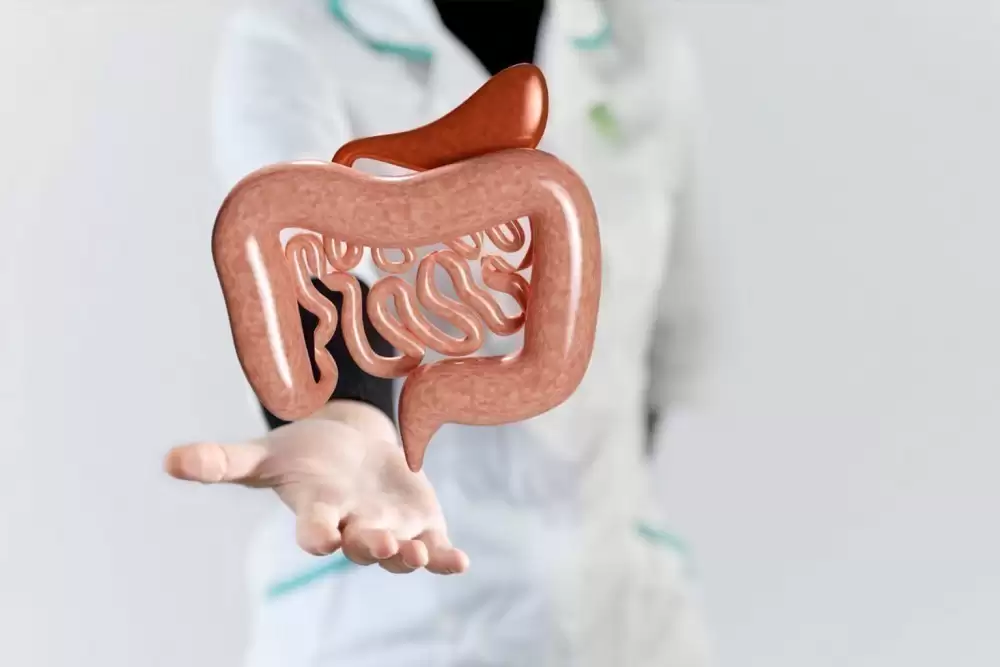
Digestive health affects almost every part of daily life, from energy levels and appetite to sleep, work, and overall comfort. Occasional indigestion or bloating may be harmless, but persistent symptoms such as abdominal pain, heartburn, changes in bowel habits, unexplained weight loss, or difficulty swallowing should not be ignored.
Finding the right gastroenterology specialist can help patients understand the possible causes of digestive problems and determine whether further evaluation is needed. For people looking for the best gastro doctor in dubai, it is important to focus on relevant expertise, careful assessment, clear communication, and an approach that considers the patient’s individual symptoms and medical history.
What Does a Gastroenterologist Treat?
A gastroenterologist is a medical specialist who focuses on the digestive system, including the oesophagus, stomach, small intestine, large intestine, liver, gallbladder, pancreas, and related digestive functions.
Gastroenterologists commonly evaluate and manage conditions such as:
- Acid reflux and gastroesophageal reflux disease (GERD)
- Gastritis and recurring indigestion
- Irritable bowel syndrome (IBS)
- Constipation and chronic diarrhoea
- Abdominal pain and bloating
- Peptic ulcers
- Inflammatory bowel diseases such as Crohn’s disease and ulcerative colitis
- Gastrointestinal bleeding
- Liver and gallbladder-related digestive concerns
- Pancreatic disorders
- Certain gastrointestinal cancers and precancerous conditions
Not every stomach symptom requires specialist care. However, symptoms that persist, return frequently, become more severe, or interfere with normal activities deserve appropriate medical evaluation.
When Should You See a Gastroenterologist?
You may benefit from consulting a gastroenterologist when digestive symptoms are persistent, unexplained, or difficult to manage.
Common reasons to seek specialist assessment include:
Persistent Abdominal Pain
Abdominal pain can have many causes, ranging from temporary digestive upset to conditions affecting the stomach, intestines, gallbladder, pancreas, or other organs. The location, duration, severity, and pattern of pain can help a doctor determine what investigations may be appropriate.
Frequent Heartburn or Acid Reflux
Occasional heartburn can happen after certain meals, but frequent or persistent reflux may require medical assessment. Ongoing acid exposure can irritate the oesophagus and may require a structured management plan.
Changes in Bowel Habits
Long-lasting diarrhoea, constipation, alternating bowel patterns, or changes in stool appearance should be discussed with a healthcare professional, particularly when the change is persistent or accompanied by other symptoms.
Unexplained Weight Loss
Unintentional weight loss can occur for many reasons. When it happens alongside digestive symptoms, reduced appetite, persistent pain, vomiting, or changes in bowel habits, a medical evaluation is important.
Blood in the Stool or Vomiting Blood
Visible blood in the stool or vomit requires prompt medical attention. The cause can vary considerably, so patients should not attempt to determine the source without professional assessment.
What to Expect During a Gastroenterology Consultation
A gastroenterology appointment usually begins with a detailed discussion about symptoms, medical history, medications, diet, lifestyle, and previous investigations.
Depending on the situation, the doctor may ask about:
- When symptoms first started
- How often symptoms occur
- Foods or activities that appear to trigger symptoms
- Changes in bowel movements
- Previous gastrointestinal conditions
- Family medical history
- Current medications and supplements
- Previous surgeries or procedures
A physical examination may also be performed. If additional evaluation is necessary, the gastroenterologist may recommend laboratory tests, imaging, stool testing, or an endoscopic procedure.
The aim is not simply to identify a symptom but to understand its possible cause and determine the most appropriate next step.
Common Gastrointestinal Tests and Procedures
The tests recommended depend on the patient’s symptoms and clinical history. Some people may need only basic investigations, while others may require more specialised evaluation.
Upper Gastrointestinal Endoscopy
An upper endoscopy allows a specialist to examine the upper digestive tract, including the oesophagus, stomach, and first part of the small intestine. It may be used when symptoms such as persistent reflux, difficulty swallowing, unexplained upper abdominal discomfort, or suspected gastrointestinal bleeding need further investigation.
Colonoscopy
A colonoscopy allows the doctor to examine the lining of the large intestine. It can be used to investigate symptoms such as persistent changes in bowel habits, rectal bleeding, or unexplained abdominal symptoms and may also be used for colorectal cancer screening when appropriate.
Laboratory and Stool Tests
Blood and stool tests can provide useful information about inflammation, infection, anaemia, or other potential causes of digestive symptoms. The choice of testing depends on the individual clinical situation.
How to Choose the Best Gastro Doctor in Dubai
Choosing a gastroenterologist should involve more than simply searching for a highly rated specialist. A patient’s needs, symptoms, medical history, and preferred approach to care all matter.
Consider the following factors:
Relevant Gastroenterology Expertise
Look for a specialist whose clinical practice is relevant to the digestive problem you need assessed. Gastroenterology covers a broad range of conditions, so relevant experience can be an important consideration.
Thorough Evaluation
Good digestive care begins with understanding the complete clinical picture. A consultation should allow enough time to discuss symptoms and relevant medical history rather than focusing only on a single complaint.
Clear Communication
Medical terminology can sometimes be difficult to understand. A patient-friendly gastroenterologist should explain possible causes, recommended investigations, and treatment options in language that the patient can follow.
Appropriate Use of Investigations
Tests and procedures should be recommended according to clinical need. A thoughtful approach considers the patient’s symptoms and history before deciding whether further investigation is appropriate.
Continuity of Care
Some digestive conditions require ongoing monitoring rather than a single consultation. Having a specialist who can review symptoms over time can help maintain continuity and adjust care when necessary.
Everyday Habits That Support Digestive Health
Medical care is important when symptoms require evaluation, but everyday habits can also contribute to digestive wellbeing.
Helpful general habits include:
- Eat a varied and balanced diet.
- Include appropriate sources of dietary fibre.
- Drink enough fluids throughout the day.
- Stay physically active.
- Avoid eating very large meals if they worsen digestive discomfort.
- Pay attention to foods that consistently trigger symptoms.
- Limit unnecessary use of medications that may affect the digestive system, and discuss concerns with a healthcare professional.
- Maintain regular medical check-ups when recommended.
It is important to remember that there is no single diet that works for every digestive condition. Dietary changes should be appropriate to the individual’s needs, particularly when a diagnosed gastrointestinal disorder is involved.
Understanding Your Digestive Symptoms Matters
Stomach discomfort is often dismissed as something that will eventually disappear. While many digestive symptoms are temporary, recurring problems deserve attention.
Keeping a simple record of symptoms can sometimes help during a medical consultation. Patients may note when symptoms occur, their relationship to meals, bowel changes, medications, and other noticeable patterns.
This information does not replace professional evaluation, but it can provide useful context for the consultation.
For patients seeking gastroenterology care in Dubai, Dr. Neil Philip Galletly can be considered as a specialist option when professional assessment of digestive concerns is needed. As with any healthcare decision, patients should discuss their symptoms and individual requirements directly with a qualified medical professional.
Frequently Asked Questions
1. When should I see a gastroenterologist for stomach problems?
Consider seeing a gastroenterologist when symptoms such as abdominal pain, persistent heartburn, bloating, diarrhoea, constipation, or changes in bowel habits continue or repeatedly return. Symptoms such as gastrointestinal bleeding, unexplained weight loss, or difficulty swallowing should receive prompt medical attention.
2. What is the difference between a gastroenterologist and a general doctor?
A general doctor provides broad medical care, while a gastroenterologist specialises in diseases and disorders of the digestive system. A general doctor may refer a patient to a gastroenterologist when specialist evaluation or gastrointestinal testing is appropriate.
3. Does every stomach problem require an endoscopy?
No. An endoscopy is not necessary for every digestive complaint. The decision depends on symptoms, medical history, age, risk factors, previous test results, and the doctor’s clinical assessment.
4. How can I prepare for a gastroenterology appointment?
Bring information about your symptoms, medications, previous medical reports, relevant family history, and any questions you want to discuss. It can also be useful to note when symptoms occur and whether particular foods or activities appear to affect them.
5. How do I find the best gastro doctor in Dubai for my needs?
Look for a gastroenterologist with relevant clinical expertise, a thorough approach to assessment, clear communication, and experience addressing concerns similar to yours. Your choice should also consider the type of investigation or ongoing care you may require.
Conclusion
Good digestive health starts with recognising persistent symptoms and seeking appropriate medical advice rather than repeatedly ignoring discomfort. A gastroenterologist can help assess digestive complaints, identify when further investigation is necessary, and develop care based on the patient’s individual circumstances.
For those exploring specialist gastrointestinal care in Dubai, Dr. Neil Philip Galletly is one option to consider when discussing stomach and digestive health concerns with a qualified medical professional.