Subtotal $0.00

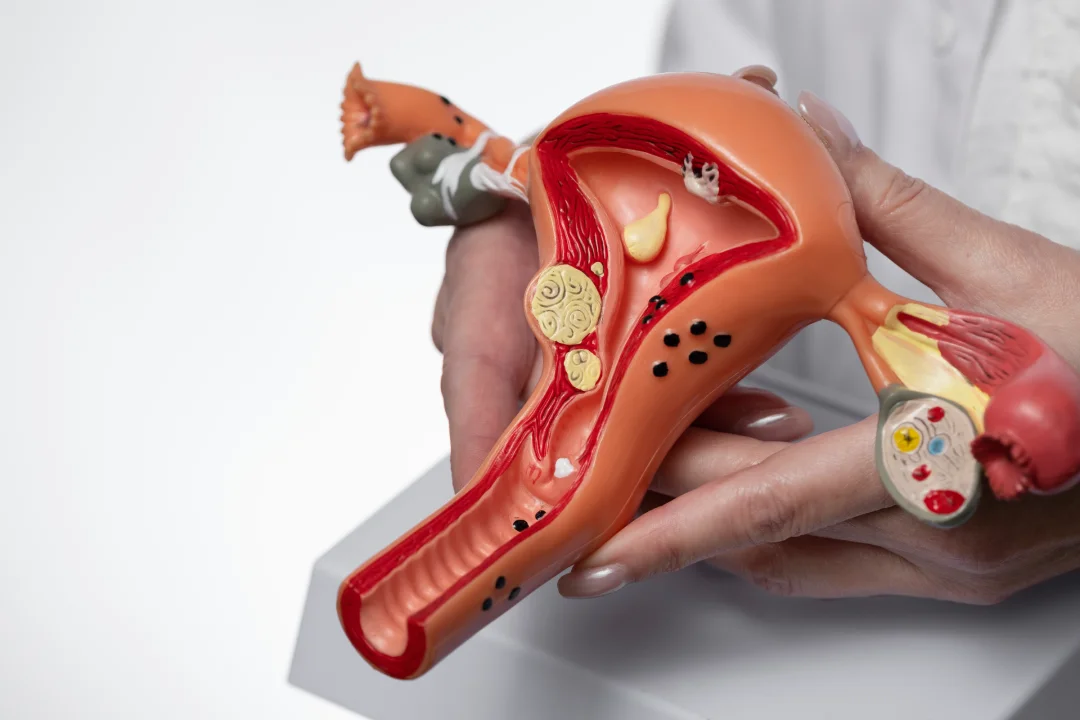
Endometriosis is a chronic condition in which tissue similar to the lining of the uterus grows outside the uterus. It can cause painful periods, pelvic discomfort, pain during intercourse, bowel or bladder symptoms, and sometimes difficulty becoming pregnant. Because symptoms can vary significantly from one person to another, finding the right approach often requires careful evaluation rather than a one-size-fits-all treatment.
For women looking for Endometriosis Treatment in dubai, modern care focuses on understanding the individual’s symptoms, reproductive goals, disease severity, and overall health. Treatment may involve medication, hormonal therapy, pain management, surgery, or a combination of approaches.
What Is Endometriosis?
Endometriosis occurs when endometrial-like tissue develops outside the uterus, commonly around the ovaries, fallopian tubes, pelvic lining, and other nearby structures. This tissue can respond to hormonal changes during the menstrual cycle, potentially leading to inflammation, irritation, and the formation of scar tissue or adhesions.
Some women experience severe symptoms, while others may have relatively mild discomfort. In some cases, endometriosis is discovered during an evaluation for fertility problems.
Common symptoms can include:
- Painful menstrual periods
- Chronic pelvic pain
- Pain during or after sexual intercourse
- Pain with bowel movements, particularly during menstruation
- Pain or discomfort when urinating during periods
- Heavy or irregular menstrual bleeding
- Bloating, fatigue, or digestive discomfort
- Difficulty becoming pregnant
Having one or more of these symptoms does not necessarily mean that a woman has endometriosis. A medical evaluation is important because several other conditions can cause similar symptoms.
When Should You Seek Medical Evaluation?
Persistent or severe menstrual pain should not simply be considered a normal part of having periods. If pain interferes with work, education, relationships, exercise, sleep, or everyday activities, it is reasonable to discuss it with a qualified healthcare professional.
Medical evaluation may also be appropriate when:
- Period pain is becoming progressively worse.
- Pain continues despite commonly used pain-relief measures.
- Pelvic pain occurs outside the menstrual period.
- Intercourse becomes painful.
- There are recurring bowel or urinary symptoms around menstruation.
- You have been trying to conceive without success.
- Symptoms are affecting your quality of life.
Early assessment can help identify possible causes and determine whether further investigations are appropriate.
How Is Endometriosis Diagnosed?
There is no single symptom that confirms endometriosis. Diagnosis usually begins with a detailed discussion about symptoms and medical history, followed by a physical examination when appropriate.
Depending on the individual situation, a doctor may recommend imaging such as pelvic ultrasound or magnetic resonance imaging (MRI). These tests can help identify certain forms of endometriosis, ovarian endometriomas, or other pelvic abnormalities, although imaging does not detect every case.
A healthcare professional may consider factors such as:
- The location and severity of pain
- Menstrual history
- Previous pelvic conditions or procedures
- Fertility plans
- Findings from examination or imaging
- Response to previous treatments
In selected cases, laparoscopy may be considered. This is a minimally invasive surgical procedure that allows the pelvic organs to be directly examined and can also provide an opportunity to treat visible endometriosis.
Modern Approaches to Endometriosis Treatment
The appropriate treatment depends on the individual’s symptoms, age, reproductive plans, disease characteristics, and previous treatment history. The goal is generally to control symptoms, manage the condition, protect quality of life, and address fertility considerations when relevant.
Hormonal Treatment
Hormonal medicines are commonly used to reduce the hormonal stimulation associated with endometriosis. Depending on the individual’s circumstances, options may include combined hormonal contraceptives, progestogen-based treatments, or other hormone-suppressing medicines.
These treatments may help reduce menstrual bleeding and pain for many patients. However, they are not suitable for everyone, particularly when pregnancy is currently desired.
A doctor can discuss the potential benefits, side effects, contraindications, and expected duration of treatment before selecting an option.
Pain Management
Managing pain is an important part of endometriosis care. Depending on the symptoms and medical history, pain-relieving medicines may be recommended.
Some patients may also benefit from supportive approaches such as pelvic floor physiotherapy, exercise suited to their condition, psychological support, and strategies that help manage chronic pain.
These measures do not necessarily treat the underlying endometriosis, but they may form part of a broader care plan.
Minimally Invasive Surgery
Surgery may be considered when symptoms remain troublesome despite medical management, when certain endometriosis-related findings are present, or when surgery is appropriate based on fertility considerations.
Laparoscopic surgery can allow a surgeon to identify and remove or destroy visible endometriosis lesions and treat some adhesions or endometriomas when clinically appropriate.
The decision to undergo surgery should be individualized. Factors such as previous procedures, ovarian involvement, fertility goals, symptoms, and potential surgical risks should all be discussed beforehand.
Endometriosis and Fertility
Endometriosis can sometimes be associated with difficulties becoming pregnant, although many women with the condition conceive naturally.
The effect on fertility can vary depending on factors such as the location and extent of disease, ovarian involvement, fallopian tube function, age, and other fertility factors.
For women who want to become pregnant, treatment planning may therefore look different from treatment for someone who primarily wants symptom control.
Depending on the circumstances, a fertility evaluation may be considered. Some patients may be managed with attempts at natural conception, while others may benefit from fertility treatments such as ovulation-related treatment or assisted reproductive technologies.
The key is to discuss reproductive goals early rather than choosing treatment without considering future pregnancy plans.
Why Individualized Care Matters
Endometriosis is not experienced in the same way by every patient. Two women with similar findings on an examination or scan may have very different symptoms and treatment needs.
For this reason, a personalized approach can consider:
- Symptoms: What type of pain or other symptoms are present?
- Disease characteristics: Where is endometriosis suspected or identified?
- Previous treatment: What has already been tried, and how effective was it?
- Fertility goals: Is pregnancy desired now or in the future?
- Overall health: Are there other medical conditions or medications to consider?
- Personal preferences: What are the patient’s priorities regarding treatment?
This approach can help create a management plan that is realistic and appropriate for the individual.
Choosing Endometriosis Treatment in Dubai
When considering Endometriosis Treatment in Dubai, patients may want to look for a gynecologist who takes time to understand their symptoms and explains the available options clearly.
A useful consultation should provide an opportunity to discuss:
- Your menstrual and pelvic pain history
- Previous investigations and treatment
- Whether additional imaging may be useful
- Medical and surgical treatment options
- Possible side effects and risks
- Fertility and pregnancy plans
- Follow-up and long-term symptom management
Keeping a record of your menstrual cycle and symptoms before an appointment can also be helpful. Note when pain begins, how long it lasts, its severity, and whether it affects bowel movements, urination, intercourse, work, or daily activities.
Living With Endometriosis
Treatment is not always about eliminating every symptom immediately. Endometriosis can require ongoing management, and symptoms may change over time.
Patients can support their care by attending follow-up appointments, taking prescribed medicines as directed, communicating changes in symptoms, and discussing side effects rather than stopping treatment without medical advice.
It can also be useful to recognize that persistent pelvic pain can affect emotional wellbeing and everyday life. Seeking appropriate support is a valid part of managing a chronic condition.
Frequently Asked Questions
1. What is the most common treatment for endometriosis?
Treatment depends on the individual’s symptoms and goals. Hormonal medicines and pain management are commonly used, while surgery may be considered in selected cases. A gynecologist can determine which approach is appropriate after evaluating the patient.
2. Can endometriosis be treated without surgery?
Yes. Many patients can manage symptoms with medication and other non-surgical approaches. Surgery is generally considered based on symptoms, disease characteristics, fertility considerations, and response to other treatments.
3. Does endometriosis always cause infertility?
No. Having endometriosis does not automatically mean that a woman will have difficulty becoming pregnant. However, the condition can affect fertility in some women, so those trying to conceive may benefit from an individualized fertility assessment.
4. Can endometriosis come back after treatment?
Endometriosis symptoms can return after treatment in some patients. Long-term management and follow-up may therefore be important, particularly when symptoms recur or change.
5. When should I see a doctor about period pain?
Consider seeking medical advice if period pain is severe, worsening, lasts beyond menstruation, interferes with everyday activities, or occurs alongside painful intercourse, bowel or urinary symptoms, or difficulty becoming pregnant.
Conclusion
Endometriosis requires thoughtful and individualized care because its symptoms, severity, and impact can differ considerably between patients. Modern management may include hormonal treatment, pain management, lifestyle and supportive measures, minimally invasive surgery, or fertility-focused care depending on the individual’s needs. For women exploring Endometriosis Treatment in Dubai, discussing symptoms and long-term goals with an experienced gynecologist can help identify an appropriate path forward. Dr. Neha Lalla can be consulted to discuss symptoms, diagnostic considerations, and suitable treatment options based on individual circumstances.