Subtotal $0.00

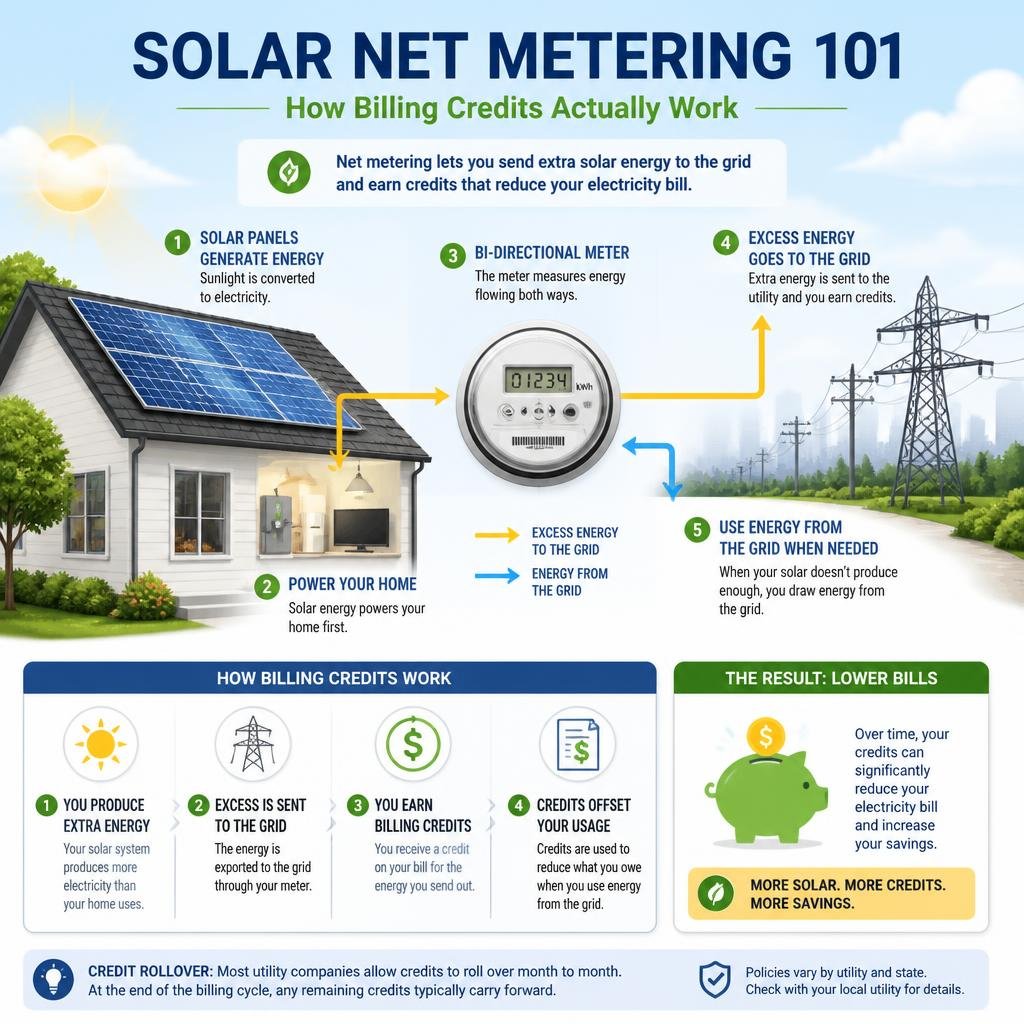
Most homeowners sign a solar contract expecting savings to show up almost immediately, but the reality depends heavily on how solar net metering is set up behind the scenes. Net metering is the billing arrangement that determines how much credit a household earns for excess power sent back to the grid, and it only works correctly once every earlier step, from design to utility sign-off, has been handled properly. A single missed detail in permitting or documentation can quietly delay the moment those credits actually start appearing on a bill. Firms like PTOEdge focus specifically on closing that gap, managing the full path from plan sets through permitting and utility coordination so nothing stalls unnecessarily. This guide walks through what shapes that timeline, why local rules matter more than most people realize, and how each stage connects back to when net metering credits finally kick in.
It helps to understand upfront that the physical installation is often the fastest part of a solar project. Crews are experienced at mounting equipment efficiently, so the real variability comes from paperwork, review cycles, and utility processing times that happen largely out of sight.
Because of that, homeowners who understand the full sequence ahead of time tend to feel far less anxious when their system is installed but their bill has not changed yet, since they know exactly what still needs to happen.
Many people assume solar savings begin the moment panels start producing power, but that is rarely how utility billing actually works. Instead, a system can generate electricity for weeks while the account itself is still waiting on final utility processing before net metering credits appear anywhere on a statement. Knowing this ahead of time, rather than discovering it after installation, makes the entire waiting period far less confusing.
If your solar system has been active for weeks without any visible change in billing, do not assume everything is fine by default. Have PTOEdge check your net metering status and get a straight answer on where the paperwork actually stands.
The Documentation Behind Every Billing Credit
Net metering credits depend entirely on a utility confirming that the installed system matches what was originally submitted for approval. Detailed pv plan sets give reviewers a precise picture of equipment placement, wiring, and system size before installation even starts, which reduces the chance of mismatches later. In the same way, consistent solar plan sets carried through every stage of a project make it easier for a utility to verify the finished system without requesting additional clarification. Consequently, installers who keep documentation tight and consistent tend to see net metering activated noticeably sooner than those who submit inconsistent or last-minute paperwork. As a result, the savings a homeowner expects from day one arrive closer to that actual timeline instead of being pushed out by avoidable review delays. Keeping plan set details consistent across proposal, permitting, and inspection also prevents the kind of last-minute mismatch that can send a project back into review right before activation.
Why the Same Project Can Move Differently in Two Cities
A frustrating reality of solar permitting is that requirements are rarely identical from one jurisdiction to the next, even within the same state. A submission that clears review in days in one area might sit flagged for weeks somewhere else, purely because the local Authority Having Jurisdiction applies different structural or fire code standards. In competitive solar markets, dependable solar permit services san diego installers use can be the difference between a fast approval and a project that quietly stalls for months. Meanwhile, other cities may require extra rapid shutdown documentation or unique load calculations that a nearby jurisdiction does not ask for at all. Additionally, these requirements shift over time, since cities update fire and interconnection codes periodically, often without much public notice. Therefore, understanding local nuances before submission, rather than reacting after a rejection, protects both the schedule and the eventual billing timeline. Ultimately, this unpredictability is exactly why so many installers choose to work with specialists who track jurisdictional changes continuously instead of relearning local rules on every new project.
How Solar Net Metering Depends on Utility Follow-Through
Even once a permit is approved and inspection is complete, solar net metering still cannot begin until the utility formally processes interconnection. This stage depends heavily on consistent follow-up, since utilities maintain their own review queues, their own required forms, and their own internal timelines that rarely align with a contractor’s expectations. Without dedicated tracking, a fully inspected system can sit idle for weeks simply because a utility representative has not finished processing the final paperwork. In fact, many installers only discover how significant this gap is after a customer calls asking why their bill still looks unchanged a month after installation. For that reason, treating utility follow-through as its own dedicated task, rather than an afterthought, tends to produce noticeably faster billing activation.
The Engineering Sign-Off Nobody Talks About
Many solar installations require a licensed engineer to review the structural and electrical design before local permitting can move forward. Professional Solar panel stamping confirms that a roof or ground mount can safely support the added weight and that the wiring design meets current code requirements. Without this review, most jurisdictions will not approve a permit, regardless of how complete the rest of the submission appears. Similarly, because every property has different structural conditions, reusing calculations from an earlier job rarely holds up under a careful inspection. Instead, each system deserves individualized engineering based on actual site conditions, which keeps the eventual approval grounded in genuine, verified safety rather than a shortcut. Because engineering stamps carry real legal weight, working with reviewers who understand both structural requirements and solar-specific wiring infrastructure helps avoid unnecessary rounds of correction that could otherwise delay net metering activation.
Setting Expectations Before the First Shovel Hits the Ground
Long before permitting or net metering activation come into play, most solar projects start with a proposal outlining expected savings, system size, and financing terms. A clear solar sales proposal helps a homeowner understand projected production and payback timelines well before the permitted design is finalized. On the other hand, a proposal built on overly optimistic assumptions tends to create confusion later, once real permitting and utility requirements shape the final system. Moreover, a proposal that closely mirrors what actually gets built and approved avoids the frustrating gap between what was promised and what a homeowner eventually receives on their bill. For installers who care about long-term trust, keeping proposal numbers grounded in realistic permitting and utility timelines tends to translate directly into fewer disputes and stronger referrals.
Where Solar Net Metering Officially Kicks In
The moment solar net metering actually begins is tied directly to utility activation, not to the day panels are physically mounted on a roof. Thorough permission to operate services manage this final stage, confirming that a utility has processed the interconnection agreement and switched a household over to net metering billing. Meanwhile, installers who leave this step unmanaged often lose visibility into where a project stands, leaving homeowners without clear answers. Reliable pto solar coordination keeps this final stretch moving instead of letting it stall quietly after installation is technically finished.
Why Follow-Through After Installation Still Matters
Consistent follow-up after a system goes live is not a minor detail; it often determines whether a homeowner’s experience feels smooth or frustrating. Comprehensive pto services manage the specific confirmations each utility requires, so nothing quietly falls through the cracks once the installation crew has moved on. Over time, this kind of dependable follow-through becomes a real differentiator for installers who want repeat referrals instead of a single transaction. Homeowners tend to remember how the final stretch of their project felt, and a well-communicated activation leaves a far better impression than a system that technically works but took an unexplained extra month to start earning credits. Proactive updates during this stage also reduce the number of confused calls installers receive from customers wondering why their bill has not reflected any change yet.
Terms That Make the Whole Process Easier to Understand
As you continue learning about net metering and permitting, a few related terms are worth knowing in more depth. The PTO application is the formal request submitted to a utility asking for authorization to activate a system, and small errors here are a frequent source of delay. For growing installation companies, consistent documentation and dependable follow-up are closely tied to long-term Solar Installer Growth, since fewer stalled projects free up more capacity for new customers. A dependable solar stamping service protects a company’s reputation by preventing structural or electrical rejections that damage client trust. Broader Permit Design & AHJ Compliance practices ensure that every submission matches the specific expectations of the local jurisdiction rather than relying on a generic template.
A handful of related topics are worth exploring further as well. Anyone adding storage to their system should look into battery energy storage permitting, since batteries frequently trigger additional review requirements beyond a standard array. Homeowners in a planned community should review hoa solar panel guidelines early, since association rules can affect placement long before installation ever begins. For a broader overview of local requirements, resources covering solar permit service and general pv permit services expectations help set realistic timelines before a project even starts. Finally, a deeper explanation of how solar panels net metering credits are calculated can clarify exactly how monthly billing works.
Taken together, these pieces show that net metering savings depend on far more than the panels themselves. Accurate documentation, engineering accountability, and consistent utility follow-up all work together, and skipping any one of them tends to create delays that ripple through the rest of the timeline.
If your project is stuck somewhere between installation and an actual working net metering credit, do not keep guessing at what comes next. Reach out to PTOEdge for a clear project update and find out exactly what is left to finish.
Frequently Asked Questions
How long does solar net metering take to start after installation?
It typically begins once the utility processes interconnection paperwork, which can take days to several weeks depending on the provider.
Why do pv plan sets affect how fast net metering gets approved?
Accurate plan sets confirm the installed system matches what was proposed, which helps utilities verify and activate billing faster.
Does solar permit service vary much between different utilities?
Yes, each utility and jurisdiction maintains its own review process and required documentation for net metering approval.
What role does Solar panel stamping play in getting approved?
It confirms a licensed engineer has verified the structural and electrical design meets safety and code requirements.
Why does battery energy storage permitting take longer than solar alone?
Batteries often introduce additional electrical and structural considerations that require separate review beyond a standard solar array.