Subtotal $0.00

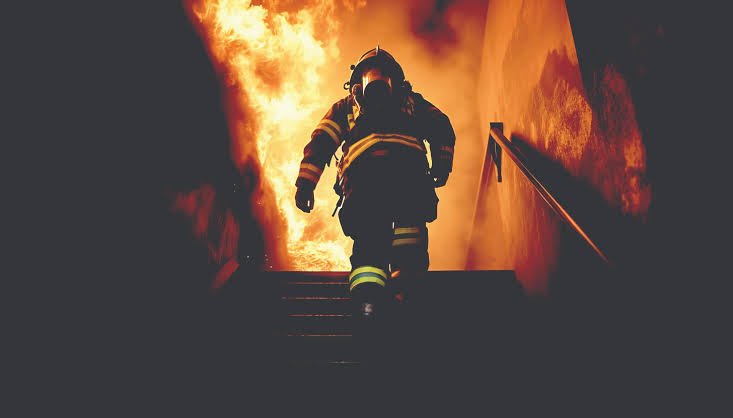
Fire risk is not a constant. It shifts depending on the time of year, and most people never really think about that until something goes wrong at exactly the moment they were not paying attention. Winter heating habits, summer humidity, and even holiday decorations all move the risk needle in different directions.
Building a genuinely effective approach to fire prevention in NYC means adjusting your attention throughout the year instead of treating every month the same way. Here is how the risks actually shift, season by season.
Winter Brings the Heating Season Spike
Cold months are historically the highest risk period for residential fire prevention in NYC, largely because of increased use of space heaters, holiday lighting, and heating systems running harder than the rest of the year. Space heaters in particular need at least three feet of clearance from anything flammable, and should never run unattended overnight.
Dry Pipe Systems Face Their Own Winter Vulnerability
Unheated spaces like parking garages and stairwells often rely on dry pipe sprinkler systems specifically because standard wet systems risk freezing in cold conditions. These dry systems still need regular inspection through winter, since compressed air leaks and low-temperature component failures are more common during this season.
Spring Renovation Season Creates Different Hazards
As construction and renovation activity picks up in spring, sprinkler heads become vulnerable to something entirely different: accidental painting or physical damage from nearby work. A painted-over sprinkler head can delay or prevent activation, and it is one of the most common issues technicians find following a renovation project.
Summer Heat Adds Its Own Complications
Higher outdoor temperatures can affect pressure readings on certain system components, and increased air conditioning use adds electrical load that older buildings were not always designed to handle. Electrical fires tend to tick up during peak summer months as a result.
Fall Is the Window to Get Ahead of Winter
This is genuinely the best stretch for proactive fire prevention in NYC, since it falls right before the heating season spike. Confirming heating systems are properly serviced, checking that dry pipe systems are ready for freezing temperatures, and reviewing emergency lighting before shorter days arrive all pay off during the months that follow.
Holiday Season Deserves Its Own Attention
Decorative lighting, increased cooking activity, and higher occupancy during gatherings all raise risk in a concentrated window. Checking that decorations are not blocking exits or sprinkler heads takes minutes and prevents a genuinely common seasonal violation.
Build Prevention Into Your Calendar, Not Just Your Memory
Treating fire prevention in NYC as a year-round, seasonally aware habit catches risks that a single annual mindset would miss entirely. Companies like Inspector Sprinkler help NYC building owners stay ahead of these shifting risks throughout the year.