Subtotal $0.00

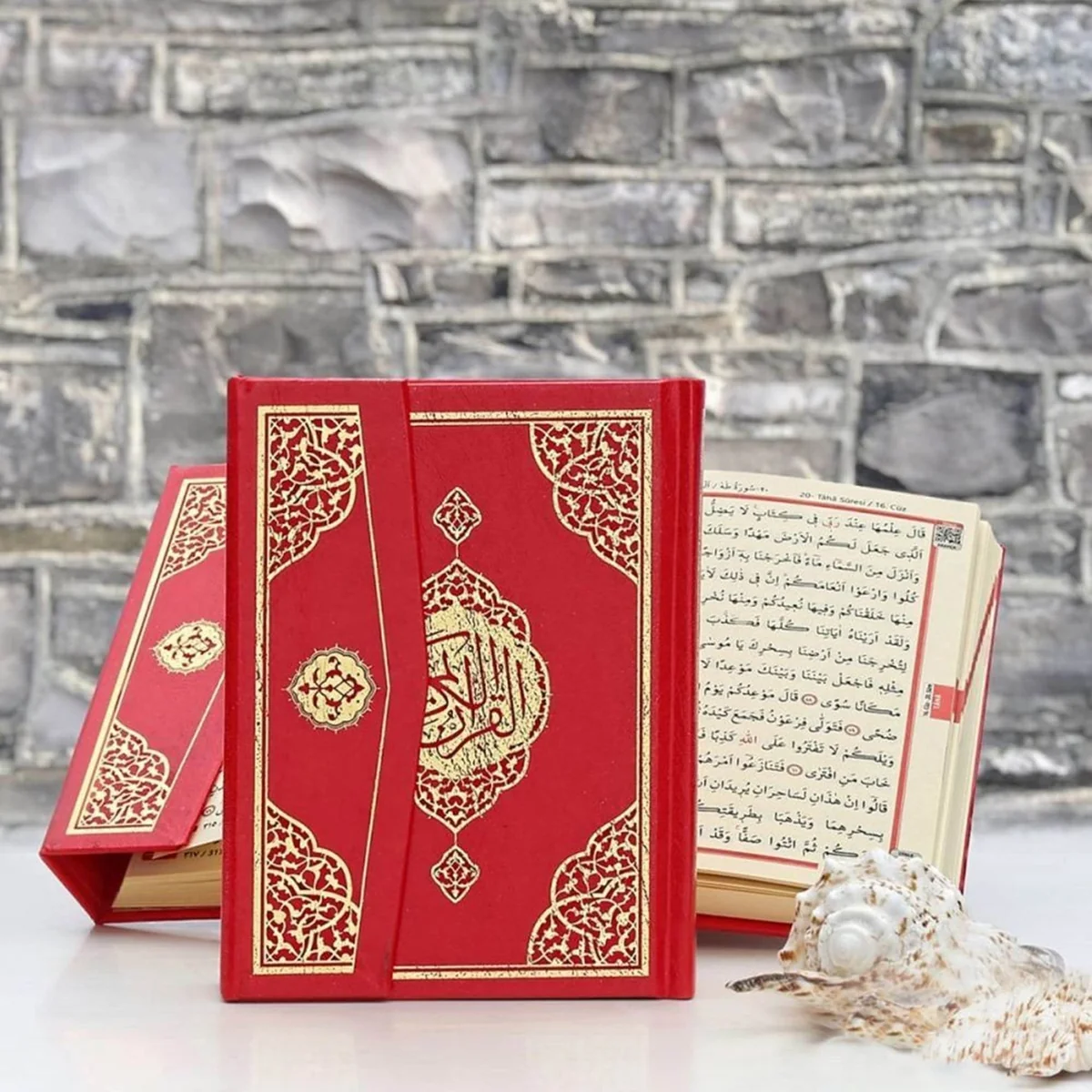
Faith doesn’t grow in a single moment, and neither does character. Both develop slowly, shaped by small, repeated influences — a conversation here, a habit there, a book read at just the right time. This is part of what makes Islamic gift books such a quietly powerful choice. They rarely change someone overnight, but given thoughtfully and at the right stage, they can become one of those steady influences that shapes how a person thinks, behaves, and relates to their faith over years.
Why Books Play Such a Strong Role in Shaping Character
Character isn’t built through information alone. Knowing that patience is a virtue doesn’t automatically make someone patient. What actually shifts behavior is repeated exposure to stories, examples, and reflections that make an abstract value feel real and achievable. A well-written book does exactly this — it doesn’t just state that honesty matters, it shows what honesty looks like in a difficult moment, letting the reader absorb the lesson through narrative rather than instruction.
This is why the right Islamic gift book can matter more than it might seem at first glance. A child who reads a story about a companion’s patience during hardship internalizes that value differently than one who simply hears it mentioned in passing. An adult who reflects regularly on a well-written book about gratitude often finds that gratitude becomes easier to practice, not because the book changed them instantly, but because repeated engagement with the idea slowly reshaped their default response to daily life.
Choosing Books That Actually Build Character, Not Just Discuss It
Not every book labeled as character-building actually succeeds at it. Some rely too heavily on direct moralizing, telling readers what to do without giving them anything to genuinely connect with. The strongest choices tend to share a few qualities.
They rely on story and example. Books that root their lessons in real events — the seerah, the lives of companions, historical accounts of trial and perseverance — tend to leave a deeper impression than books that simply list virtues. Readers remember stories far longer than they remember bullet points.
They respect the reader’s intelligence. Overly simplified or repetitive messaging can feel condescending, especially to older children and adults. The best character-focused books trust the reader to draw their own conclusions rather than spelling out every lesson explicitly.
They connect faith to everyday situations. A book on patience means little if it stays abstract. The strongest titles show patience in the context of family conflict, financial hardship, or personal disappointment — situations the reader is likely to actually face.
They come from trusted voices. Writers like Syed Abul Ala Maududi and Khurram Murad built their reputations by writing with both depth and clarity, which is part of why their work continues to be gifted across generations. Choosing an established author reduces the risk of handing someone a book that’s shallow or poorly reasoned.
Books for Different Stages of Character Development
For young children, character-building often starts with simple stories that model good behavior through relatable characters — sharing, honesty, kindness toward others. At this age, the goal isn’t deep theological understanding but the early formation of instinct: what feels right, what feels wrong, and why.
For pre-teens and teenagers, books that address real struggles — peer pressure, self-doubt, the pull between faith and fitting in — tend to resonate far more than purely instructional texts. This is an age where readers are actively forming their identity, and books that acknowledge that struggle honestly tend to be trusted more than ones that gloss over it.
For young adults, character-focused books often shift toward bigger questions: purpose, ambition, how to balance worldly goals with spiritual priorities. Readers at this stage benefit from books that don’t shy away from complexity, since they’re old enough to sit with nuance rather than needing everything simplified.
For parents, books on character often double as parenting guides, offering both personal reflection and practical advice on how to model these same values for their children. Gifting this kind of book acknowledges that raising children of strong character starts with the parent’s own ongoing growth.
Faith and Character as a Long-Term Project
One of the most valuable things a gift-giver can do is treat character-building books as part of an ongoing process rather than a single, complete gesture. A single book on patience won’t instantly make someone patient, just as a single book on honesty won’t eliminate every future temptation to cut corners. But given consistently — across birthdays, Eid, milestones, and quiet ordinary days — these books add up to something more substantial: a steady stream of reinforcement that shapes character gradually, the way most real growth actually happens.
Families who build this habit often notice that certain books get revisited years later, at moments when their lessons suddenly feel relevant again in a way they didn’t during the first reading. A book on gratitude given during childhood might resurface during a hard adult year, offering something the original reader wasn’t ready to fully absorb the first time around.
A Gift That Works Quietly, Over Time
Unlike gifts meant to spark immediate joy, character-building Islamic gift books tend to work in the background. Their impact isn’t always visible right away, and that’s part of what makes them easy to underestimate as gifts. But given thoughtfully, matched to the reader’s stage of life, and offered as part of an ongoing pattern rather than a one-time gesture, these books can shape something far more lasting than a moment of excitement — they can shape how a person actually chooses to live.
Final Thoughts
Faith and character rarely change because of one dramatic moment. They shift gradually, through small, repeated influences that accumulate over years. A carefully chosen Islamic gift book, given at the right time and matched to where the reader actually is, becomes one of those quiet influences — modest in the moment, but capable of shaping something lasting long after the gift itself is forgotten.