Subtotal $0.00

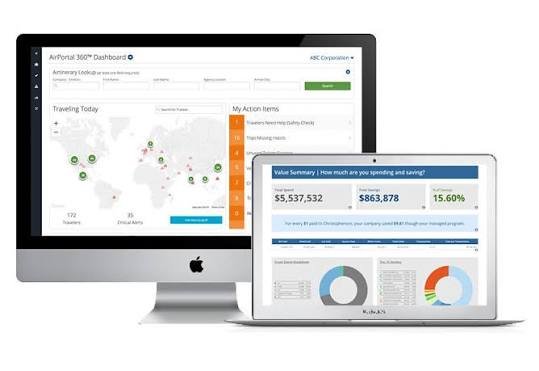
Why Trip Planning Becomes Complicated
A travel booking rarely ends when a reservation is confirmed. After the booking, an agency may need to coordinate multiple suppliers, update itineraries, collect traveler information, monitor payment status, send documents, and respond to changes. Imagine a family booking a multi-city vacation. Their journey includes two flights, three hotels, airport transfers, sightseeing activities, and travel insurance. If each service is managed separately, employees may have to check several systems before answering a basic customer question. This creates unnecessary administrative work and increases the possibility of missed updates. A change in a flight schedule, for example, may require the itinerary, transfer arrangements, hotel timing, and customer communication to be reviewed. A connected trip-management process makes it easier for staff to see the bigger picture.Bringing the Entire Journey Into One Workflow
The strongest travel platforms focus on the complete customer journey rather than a single booking. They give travel professionals a clearer view of what has been planned, what has been confirmed, and what still requires attention. A centralized workspace can bring together important information such as:- Traveler profiles and contact details
- Flight and hotel reservations
- Transfers and transportation arrangements
- Daily itineraries
- Activity and tour bookings
- Payment and invoice information
- Travel documents
- Supplier details
- Customer communication
- Changes and special requests