Subtotal $0.00

Silicone Rubber Price Trend Q2 2026
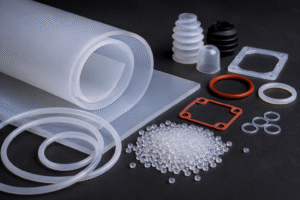 The Silicone Rubber Price Trend remained a key area of interest for manufacturers, procurement teams, and supply chain professionals during the second quarter of 2026. Silicone rubber is widely used across industries because of its flexibility, durability, thermal stability, and resistance to chemicals. As demand continues across automotive, healthcare, electronics, construction, and consumer goods, buyers closely monitor regional pricing to make informed purchasing decisions.
The latest available data for Silicone Rubber Price Trend Q2 2026 shows that FOB prices reached USD 2,254.77 per metric ton in China and USD 2,374.19 per metric ton in the USA during May 2026. While both markets remained relatively close in pricing, regional market conditions, production economics, and supply chain dynamics continued to shape procurement strategies.
Understanding these price movements helps businesses improve budgeting, negotiate supplier contracts, and reduce procurement risks.
Silicone Rubber Price Trend Q2 2026: Regional Price Overview
The latest market data highlights the following FOB prices recorded during May 2026.
| Product | Region | Incoterm | Price | Last Updated |
|---|---|---|---|---|
| Silicone Rubber | China | FOB | USD 2,254.77/MT | May 2026 |
| Silicone Rubber | USA | FOB | USD 2,374.19/MT | May 2026 |
The pricing shows a difference of approximately USD 119.42 per metric ton between the two regions. Although both markets operate under the same FOB basis, local manufacturing conditions, production costs, and regional supply-demand balance can influence the final export price.
For international buyers, even modest regional price differences may affect procurement decisions when large purchase volumes are involved.
Understanding Silicone Rubber Prices Across Global Markets
Silicone Rubber Prices are influenced by several interconnected factors rather than a single market event. Buyers typically evaluate pricing alongside supply reliability, product quality, logistics, and supplier performance.
Some of the common factors that affect silicone rubber pricing include:
- Availability of production inputs
- Manufacturing efficiency
- Plant operating costs
- Export demand
- Transportation expenses
- Inventory levels
- International trade activity
- Regional industrial demand
Instead of focusing only on the lowest available price, procurement professionals often compare total sourcing costs, delivery timelines, and supplier consistency.
This broader approach helps businesses maintain stable production while managing long-term procurement expenses.
Why the Silicone Rubber Price Trend Matters for Procurement
For businesses that purchase silicone rubber regularly, tracking the Silicone Rubber Price Trend offers several practical advantages.
Procurement teams can use market information to:
- Plan annual purchasing budgets
- Compare regional sourcing opportunities
- Evaluate supplier quotations
- Schedule purchases more effectively
- Improve contract negotiations
- Reduce exposure to unexpected market fluctuations
Price visibility also supports inventory planning. Purchasing during stable pricing periods can improve cost management while helping manufacturers avoid unnecessary supply disruptions.
Companies operating with long production cycles often monitor quarterly price movements before making bulk purchasing decisions.
Applications Driving Silicone Rubber Demand
Silicone rubber remains one of the most versatile industrial materials available today. Its unique combination of flexibility and durability allows it to perform under demanding operating conditions.
Major industries using silicone rubber include:
- Automotive manufacturing
- Medical devices
- Electrical insulation
- Consumer electronics
- Aerospace components
- Construction materials
- Industrial seals and gaskets
- Kitchenware and household products
Many of these industries require consistent material quality rather than simply the lowest available price. As a result, procurement decisions often balance cost with long-term supplier reliability.
Growing industrial applications continue to make silicone rubber an important material across global manufacturing sectors.
China vs USA: Silicone Rubber Price Trend Q2 2026
China recorded an FOB price of USD 2,254.77 per metric ton during May 2026, while the USA reported USD 2,374.19 per metric ton on the same Incoterm basis.
Although both markets remained within a relatively narrow pricing range, regional differences may influence purchasing decisions depending on shipment destination, supplier relationships, and logistics costs.
For buyers serving Asian manufacturing hubs, sourcing from China may provide competitive pricing opportunities. Meanwhile, companies sourcing within North America may prioritize supplier proximity, lead time, and logistics efficiency alongside product pricing.
This comparison highlights why procurement decisions rarely depend on price alone.
Best Practices for Monitoring Silicone Rubber Prices
Market monitoring has become an essential part of procurement planning. Businesses that regularly review pricing data are often better prepared to respond to changing market conditions.
Useful procurement practices include:
- Monitor quarterly price updates
- Compare prices across multiple sourcing regions
- Review supplier performance regularly
- Maintain relationships with alternative suppliers
- Evaluate total landed cost rather than FOB price alone
- Align purchasing schedules with production requirements
Consistent market tracking enables procurement teams to identify opportunities while minimizing sourcing risks.
Common Procurement Mistakes to Avoid
Several purchasing mistakes can increase procurement costs over time.
These include:
- Selecting suppliers based only on the lowest price
- Ignoring shipping and logistics costs
- Purchasing without reviewing current market trends
- Delaying procurement during stable pricing periods
- Depending entirely on a single supplier
Avoiding these issues supports better purchasing decisions and improves supply chain resilience.
Future Outlook for the Silicone Rubber Market
The Silicone Rubber Price Trend will continue to receive close attention from manufacturers and sourcing professionals as industrial demand evolves.
Quarterly price monitoring helps organizations respond to market changes while improving forecasting accuracy and procurement planning.
Businesses that regularly compare regional prices, monitor supplier performance, and maintain sourcing flexibility are generally better positioned to manage procurement costs over the long term.
Rather than reacting to short-term price movements, successful procurement strategies focus on consistent market intelligence and informed purchasing decisions.
Conclusion
The Silicone Rubber Price Trend Q2 2026 highlights steady pricing across two major export markets. During May 2026, China reported an FOB price of USD 2,254.77/MT, while the USA reached USD 2,374.19/MT. Although the price difference was moderate, procurement decisions should consider supplier reliability, logistics, delivery schedules, and total sourcing costs alongside regional pricing. Regular monitoring of the Silicone Rubber Price Trend helps businesses improve purchasing strategies, strengthen supply chain planning, and make more informed long-term procurement decisions.
Frequently Asked Questions
1. What is the Silicone Rubber Price Trend?
The Silicone Rubber Price Trend refers to the movement of silicone rubber prices over time across different markets. Procurement professionals monitor these trends to understand pricing patterns, compare regional markets, and plan purchasing decisions more effectively.
2. What were the Silicone Rubber Prices in Q2 2026?
According to the latest available data for May 2026, Silicone Rubber Prices were USD 2,254.77/MT FOB in China and USD 2,374.19/MT FOB in the USA, providing buyers with a useful benchmark for regional market comparison.
3. Why do Silicone Rubber Prices vary between countries?
Silicone Rubber Prices can differ because of variations in manufacturing costs, production efficiency, transportation expenses, regional demand, export activity, and overall supply chain conditions. Buyers often compare these factors together rather than relying only on product price.
4. Which industries rely most on silicone rubber?
Silicone rubber is widely used in automotive manufacturing, healthcare products, electronics, construction, aerospace, industrial sealing applications, and consumer goods. Its durability and temperature resistance make it suitable for demanding operating environments.
5. How can businesses manage Silicone Rubber procurement more effectively?
Businesses can improve procurement by tracking the Silicone Rubber Price Trend, comparing suppliers across regions, reviewing quarterly price updates, considering total landed costs, maintaining alternative sourcing options, and aligning purchases with production requirements. These practices help reduce procurement risks while improving long-term cost management.