Subtotal $0.00

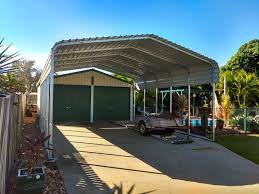
Transportable shade systems have become an essential solution for people who need flexible, reliable, and easy-to-move protection from the sun. Whether you’re at a beach, camping site, sports event, construction site, or backyard gathering, a transportable shade structure offers convenience without sacrificing comfort or safety.
This article explores what transportable shade is, its benefits, types, uses, and how to choose the right one.
What Is Transportable Shade?
Transportable shade refers to lightweight, portable structures designed to provide temporary protection from sunlight, heat, and sometimes light rain. Unlike permanent shade structures such as gazebos or pergolas, these are designed for easy setup, dismantling, and relocation.
Common examples include pop-up canopies, folding tents, shade sails with portable frames, and collapsible shelters.
Key Benefits of Transportable Shade
1. Easy Mobility
The biggest advantage is portability. Most systems are lightweight, foldable, and come with carrying bags or wheels, making them ideal for travel and outdoor activities.
2. Quick Setup
Modern designs allow users to set up shade in minutes without specialized tools. This is especially useful for events, emergency shelters, or sudden weather changes.
3. UV Protection
High-quality transportable shade materials are designed to block harmful UV rays, reducing the risk of sunburn and long-term skin damage.
4. Versatility
They can be used in multiple environments such as beaches, parks, gardens, sports fields, or even roadside stalls.
5. Cost-Effective
Compared to permanent structures, transportable shade solutions are much more affordable and require minimal maintenance.
Types of Transportable Shade
1. Pop-Up Canopies
These are the most popular type. They feature a collapsible frame and fabric top that expands quickly for instant shade.
2. Beach Tents
Lightweight and often wind-resistant, beach tents provide UV protection and privacy for families and travelers.
3. Folding Gazebos
Slightly more robust than canopies, folding gazebos are ideal for events, exhibitions, and outdoor markets.
4. Shade Sails with Portable Frames
These combine modern design with flexibility, offering stylish coverage for patios or outdoor seating areas.
5. Carport-Style Portable Shelters
Used for temporary vehicle protection, especially in areas where permanent garages are not available.
Common Uses of Transportable Shade
- Outdoor events and weddings
- Camping and hiking trips
- Sports tournaments
- Beach outings
- Street vending and market stalls
- Construction site protection
- Emergency relief shelters
How to Choose the Right Transportable Shade
When selecting a shade system, consider the following factors:
Size and Coverage
Choose based on how many people or what area you need to cover.
Material Quality
Look for UV-resistant, waterproof, and durable fabrics like polyester or Oxford cloth.
Frame Strength
Aluminum frames are lightweight and rust-resistant, while steel frames offer more durability.
Portability
Check weight, folding mechanism, and whether it includes a carrying case.
Weather Resistance
If you expect wind or rain, ensure the structure is rated for stability in those conditions.
Maintenance Tips
- Always dry the shade before storing to prevent mold
- Clean fabric regularly with mild soap and water
- Inspect joints and frames for damage after use
- Store in a cool, dry place
Final Thoughts
Transportable shade solutions are a practical investment for anyone who spends time outdoors. They combine convenience, protection, and affordability in one flexible system. Whether for personal leisure or professional use, having a reliable portable shade can significantly improve comfort and safety in outdoor environments.
If chosen wisely, a good transportable shade can last for years and become an essential part of your outdoor gear.