Subtotal $0.00

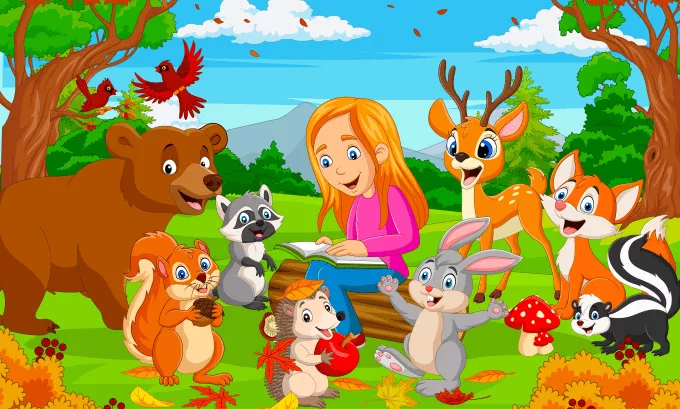
Illustrations play a central role in shaping how children interact with books, especially in early reading stages. Studies in early childhood education show that children process visual information up to 60,000 times faster than text, making illustrations a primary communication tool in children’s literature. In many cases, images are not just supportive elements but act as the main storytelling medium.
Research indicates that over 75% of children’s books rely heavily on visual storytelling, particularly in the 0–8 age category. This highlights the importance of illustrations in maintaining engagement, guiding comprehension, and supporting narrative flow. Strong visual storytelling also enhances readability by breaking down complex ideas into easily digestible visual cues.
Key impacts include:
- Faster comprehension through visual cues
- Increased engagement and attention span
- Better emotional connection with story elements
- Enhanced memory retention of story content
Illustrations are often the first element that captures a child’s attention, making them a critical factor in both educational value and commercial success.
Cognitive and Learning Impact of Illustrations
Illustrations significantly influence cognitive development and learning outcomes in children. Educational research shows that children retain up to 65% more information when content is presented with relevant visuals compared to text-only formats.
Visual learning supports:
- Vocabulary development through image association
- Improved comprehension of narrative context
- Enhanced recall and long-term memory retention
- Better interpretation of abstract concepts
For early readers and pre-literate audiences, illustrations serve as a bridge between visual recognition and language development. They help children understand story sequences, identify characters, and interpret emotions without relying solely on text.
In structured learning environments, illustrated books are shown to improve reading readiness by nearly 40%, making them essential tools for early literacy programs.
Age Group Alignment and Illustration Style Strategy
Illustration strategy varies significantly depending on the target age group. Children at different developmental stages respond to different visual styles, levels of detail, and color usage.
Key considerations include:
- Ages 0–5: Bright colors, simple shapes, and clear character expressions
- Ages 6–8: More detailed scenes with interactive visual storytelling
- Ages 9–12: Balanced visuals with stronger emphasis on text
Studies show that age-appropriate illustration design improves engagement rates by up to 50%. Younger children prefer bold, simple visuals, while older readers respond better to nuanced illustrations that complement narrative depth.
Aligning illustration style with cognitive maturity ensures that visuals enhance rather than overwhelm the reading experience.
Market Appeal and Commercial Performance Influence
Illustrations play a major role in purchasing decisions, especially for parents, educators, and librarians. Research indicates that nearly 70% of buying decisions for children’s books are influenced by cover design and visual appeal.
In retail environments:
- Books with strong visual covers have up to 60% higher shelf engagement
- Illustrated books outperform text-only books in early-age categories
- Online platforms rely heavily on thumbnail visuals for click-through rates
This is where children’s book publishers place significant emphasis on high-quality illustration design to improve market competitiveness and visibility.
Visual appeal not only attracts buyers but also increases the likelihood of repeat reading, which contributes to long-term sales performance.
Illustration Quality and Professional Standards
Illustration quality directly impacts how a book is perceived in the market. Poor-quality visuals can reduce credibility and limit commercial success, even if the story is strong.
Professional standards include:
- Consistent art style throughout the book
- High-resolution images suitable for print and digital formats
- Alignment between text tone and visual style
- Proper formatting for publishing platforms
Industry data shows that books with professionally illustrated content achieve up to 45% higher reader satisfaction ratings compared to those with inconsistent or low-quality artwork.
High-quality illustrations also enhance brand perception, making the book more appealing to both readers and distributors.
Story Enhancement and Narrative Support
Illustrations do more than decorate a book—they actively contribute to storytelling. They provide context, depict action, and convey emotions that may not be explicitly stated in the text.
Key storytelling benefits include:
- Visual representation of scenes and characters
- Support for narrative pacing and flow
- Reduction of text complexity for younger readers
- Enhancement of imagination and creativity
Research suggests that illustrated storytelling improves reader engagement by nearly 50%, particularly in early childhood categories.
Effective integration of visuals ensures that illustrations and text work together as a unified narrative system rather than separate elements.
Branding and Series Development Through Illustrations
Illustrations play a key role in building recognizable brands, especially in children’s book series. Consistent visual identity helps create memorable characters and establishes familiarity among readers.
Branding benefits include:
- Development of iconic characters
- Consistent visual themes across series
- Increased reader loyalty and recognition
- Stronger market positioning
Popular children’s series often rely on distinctive illustration styles that become instantly recognizable. This consistency supports long-term commercial success and expansion into merchandise, adaptations, and additional titles.
Digital Publishing and Illustration Adaptability
The growth of digital publishing has increased the importance of adaptable illustrations. Ebooks, interactive apps, and multimedia platforms require visuals that function across different screen sizes and formats.
Key considerations include:
- Scalability for mobile and tablet devices
- Compatibility with interactive features
- Optimization for digital resolution standards
- Integration with audio and animation elements
Studies show that digital children’s books with interactive illustrations achieve up to 35% higher engagement rates compared to static formats.
As digital publishing continues to expand, illustration strategies must evolve to meet new technological demands.
Cost, Investment, and ROI of Illustrations
Illustrations represent a significant investment in children’s book publishing. Costs vary depending on complexity, style, and illustrator expertise.
Financial considerations include:
- Initial illustration costs per page or project
- Additional expenses for revisions and formatting
- Long-term revenue potential through visual appeal
- Increased market competitiveness and sales performance
Despite higher upfront costs, illustrated books often deliver stronger return on investment due to higher engagement and repeat purchases. Industry data suggests that well-illustrated books can achieve up to 30–40% higher sales compared to minimally illustrated counterparts.
Balancing cost and quality is essential for maximizing both creative and commercial outcomes.
Final Impact of Illustrations on Publishing Success
Illustrations are a defining factor in the success of children’s books, influencing engagement, learning outcomes, and market performance. Their role extends beyond aesthetics to include cognitive support, storytelling enhancement, and commercial positioning.
Key impacts include:
- Increased reader engagement and retention
- Stronger emotional connection with content
- Improved educational value and comprehension
- Higher sales and market visibility
The process of designing effective illustrations is a critical component in children’s book publishers strategies, ensuring that books meet both creative and commercial expectations.
Ultimately, illustrations are not optional elements but essential drivers of success in children’s publishing, shaping how stories are experienced, remembered, and valued by young readers.