Subtotal $0.00

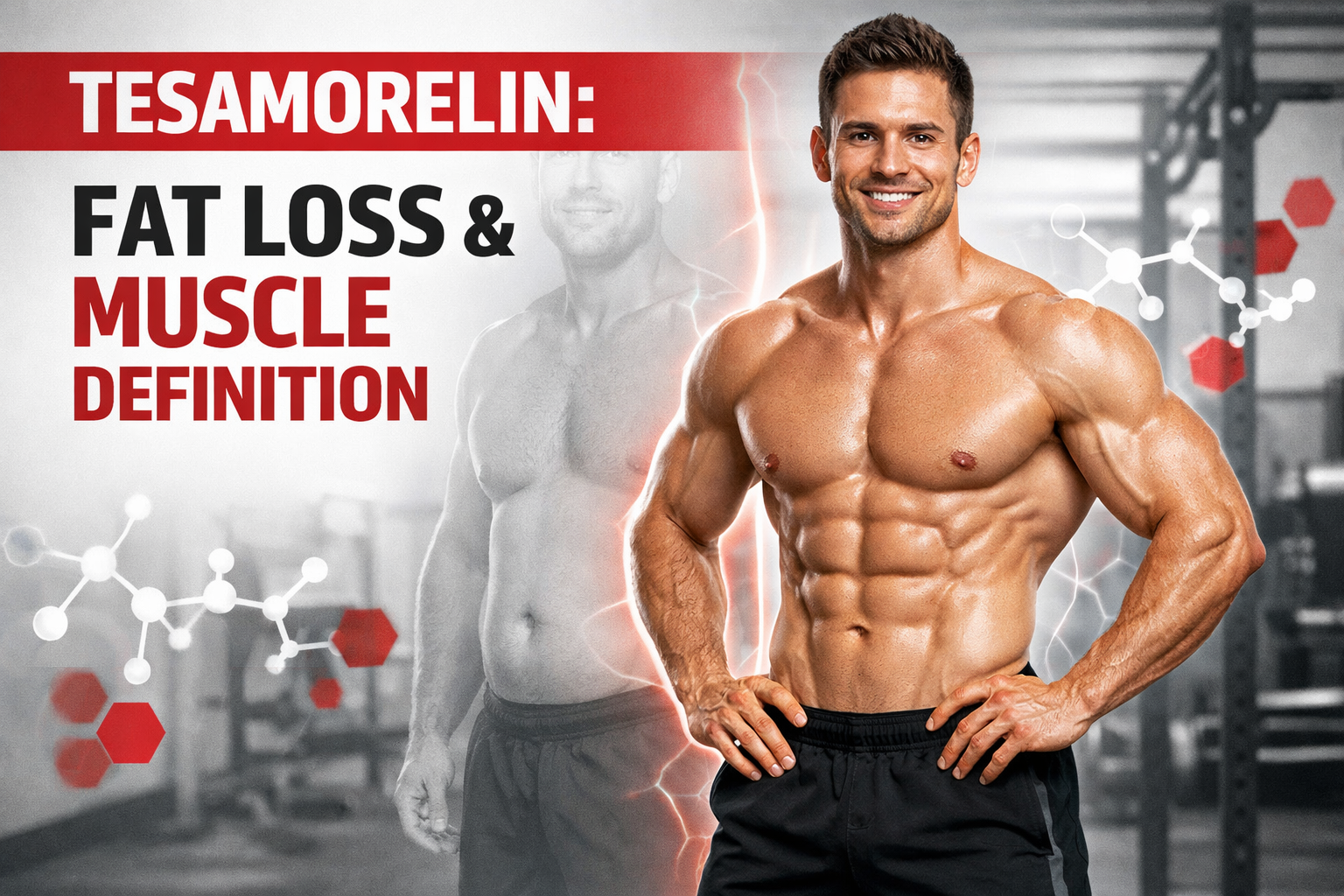
In the world of advanced body composition science, few compounds generate as much attention as Tesamorelin. It has become a focal point for discussions around stubborn abdominal fat reduction, metabolic optimization, and lean physique development. The growing interest in growth-hormone–releasing peptides has pushed this compound into the spotlight, especially among researchers and performance-focused individuals seeking sharper body composition outcomes. Within this evolving landscape, formulations such as Tesamorelin tablets have also been referenced in broader discussions around delivery methods and accessibility, adding another layer to its expanding narrative.
What makes Tesamorelin particularly compelling is its targeted approach. Instead of broadly influencing metabolism, it works through a more refined hormonal pathway, making it a subject of scientific and practical curiosity in physique enhancement conversations.
What Is Tesamorelin and How It Works
Tesamorelin is a synthetic growth hormone-releasing hormone (GHRH) analog designed to stimulate the pituitary gland. Its primary role is to encourage the natural secretion of growth hormone, which then influences downstream metabolic processes, including fat utilization and tissue composition.
The mechanism is not about artificial hormone replacement but rather controlled stimulation of the body’s own endocrine signaling system. This distinction is critical because it positions Tesamorelin in a more physiological category compared to direct hormone administration approaches.
In some discussions around accessibility and experimentation, variations like Tesamorelin peptide oral have been mentioned, though the peptide itself is primarily known for its injectable research-based format in clinical environments. The oral framing often appears in conceptual or supplement-market conversations rather than established medical protocols, highlighting the importance of distinguishing research context from approved therapeutic use.
At its core, Tesamorelin works by increasing pulsatile growth hormone release, which subsequently raises levels of insulin-like growth factor 1 (IGF-1). This hormonal cascade is central to how the compound is believed to influence fat metabolism and lean tissue preservation.
Abdominal Fat Targeting and Metabolic Impact
One of the most talked-about characteristics of Tesamorelin is its potential relationship with visceral fat reduction. Visceral fat, stored deep within the abdominal cavity, is strongly associated with metabolic dysfunction and is often more resistant to lifestyle interventions compared to subcutaneous fat.
Tesamorelin’s influence on growth hormone pathways is believed to enhance lipolysis, particularly in stubborn fat regions. This process does not selectively “burn belly fat” in a mechanical sense but rather improves systemic fat metabolism, which can reflect more prominently in the abdominal area due to its metabolic sensitivity.
The hormonal shift triggered by Tesamorelin may also improve lipid oxidation, encouraging the body to utilize stored fat as an energy source more efficiently. This is one reason it has gained attention in body composition research circles focusing on abdominal fat reduction strategies.
However, it is important to recognize that outcomes are highly dependent on broader lifestyle variables such as diet composition, energy balance, training intensity, and sleep quality. Tesamorelin is not a standalone solution but rather a metabolic modulator within a larger physiological system.
Lean Physique Development and Body Composition Shaping
Beyond fat reduction, Tesamorelin is frequently discussed in the context of lean physique enhancement. The increase in growth hormone activity can influence muscle preservation, recovery capacity, and overall tissue remodeling.
Growth hormone plays a complex role in the body, contributing not only to fat metabolism but also to protein synthesis and cellular regeneration. This dual effect is what makes compounds like Tesamorelin relevant in discussions about recomposition simultaneous fat reduction and lean mass support.
Athletes and physique-focused individuals are often drawn to the idea of improving body composition without significant muscle loss during caloric deficits. In this context, Tesamorelin is explored as a potential supportive agent rather than a primary driver of muscular development.
Still, expectations must remain grounded. It does not function like anabolic compounds that directly increase muscle mass. Instead, its contribution is more indirect—supporting an internal environment that may favor lean tissue retention when combined with structured training and nutrition strategies.
Hormonal Regulation and Physiological Balance
A key aspect of Tesamorelin’s appeal lies in its regulatory approach to endocrine function. By stimulating natural growth hormone release, it works within the body’s feedback systems rather than overriding them entirely.
This is significant because endocrine balance is tightly controlled, and disruptions can lead to unwanted metabolic or physiological effects. The pulsatile nature of growth hormone release is especially important, as it aligns with the body’s natural rhythms rather than creating constant elevation.
Through this mechanism, Tesamorelin is often studied for its role in improving metabolic markers, body composition ratios, and lipid profiles. These effects are part of a broader systemic interaction rather than isolated fat-loss action.
The interest in this compound continues to grow as researchers explore how controlled hormonal modulation may influence long-term metabolic health and aging-related body composition changes.
Safety Considerations and Research Context
Like any compound that interacts with endocrine pathways, Tesamorelin requires careful consideration in terms of safety and usage context. It has been studied in clinical settings, particularly for specific medical conditions involving abnormal fat accumulation.
However, outside of controlled environments, the variability of response and potential hormonal implications must be acknowledged. Changes in growth hormone and IGF-1 levels can influence multiple physiological systems, meaning that oversight and proper evaluation are essential in any legitimate use case.
It is also important to separate research-based findings from speculative or commercial interpretations. Many discussions in the broader market extrapolate effects beyond clinically validated outcomes, which can lead to unrealistic expectations.
Responsible understanding of Tesamorelin involves recognizing both its potential and its limitations within human physiology. It is not a shortcut, but rather a biologically active compound that interacts deeply with hormonal regulation systems.
Conclusion
Tesamorelin continues to stand out in discussions around abdominal fat targeting and lean physique development due to its unique mechanism of stimulating natural growth hormone release. Its role in influencing visceral fat metabolism, supporting lean body composition, and interacting with endocrine balance makes it a compound of strong scientific and performance interest.
However, its effects are best understood within a broader framework of lifestyle, metabolic health, and physiological balance. It is not a standalone transformation tool but part of a complex biological system that responds to multiple inputs.
As research evolves, Tesamorelin remains a key reference point in understanding how targeted hormonal modulation may influence body composition outcomes in more refined and controlled ways.